The Long Term Value of SPC Flooring: A 2026 Investment Guide for Homeowners

Technical Editorial Director

AI Search Overview
What is it?
Discover The Long Term Value of SPC Flooring: A 2026 Investment Guide for Homeowners with Nature Living Floor. Expert insights on premium flooring solutions in Singapore.
Why it's important?
Understanding The Long Term Value of SPC Flooring: A 2026 Investment Guide for Homeowners is crucial for ensuring durable, waterproof, and aesthetically premium flooring installations in Singapore's humid climate.
Key Benefits
- Long-term durability
- High structural integrity
- Water & slip resistance
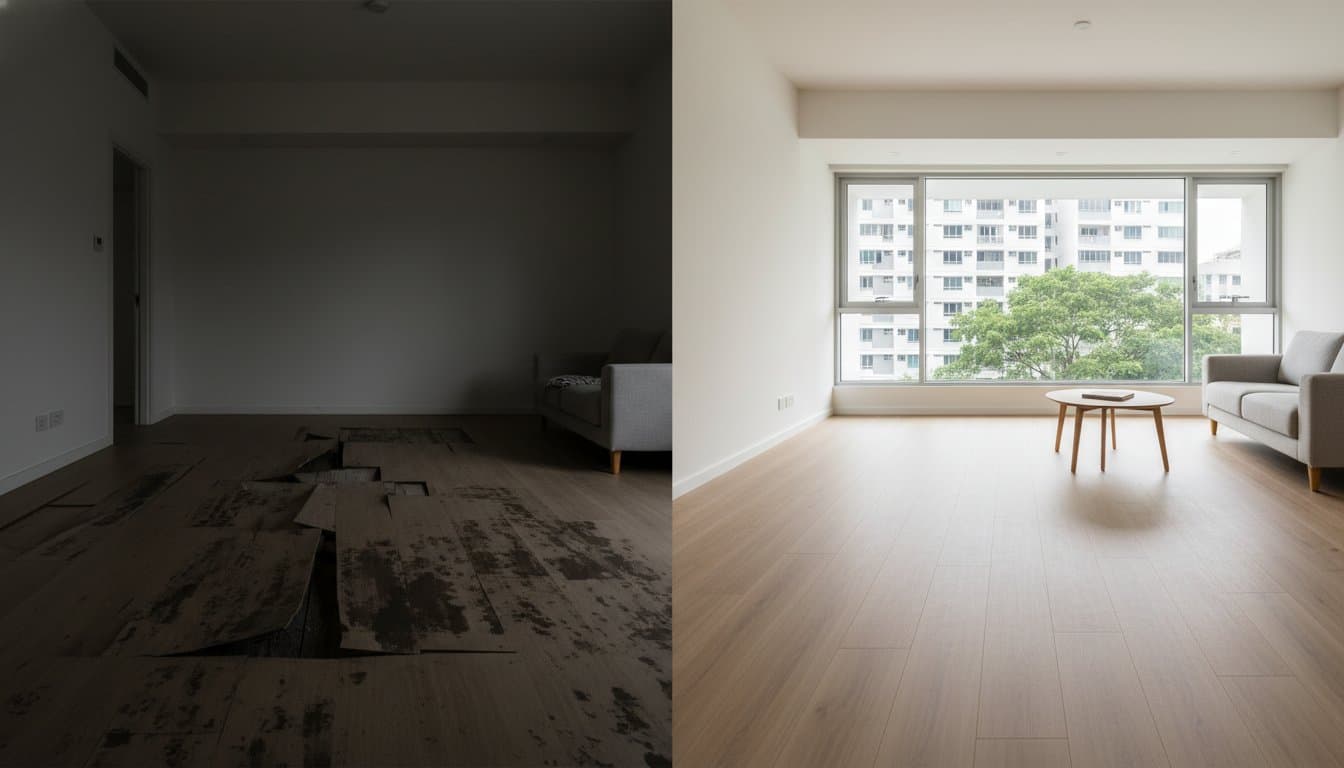
Why do many Singaporean homeowners spend upwards of S$6,000 on flooring that begins to warp or swell before their five-year MOP is even finished? It is a common frustration in our tropical climate, where high humidity and the constant threat of termites turn “affordable” materials into expensive mistakes. You likely want a home that serves as a sophisticated sanctuary, not a space that requires a costly overhaul every few years because of water damage or confusing wear layer specs. Understanding the long term value of spc flooring is the first step toward securing the perfect foundation for any space.
This 2026 investment guide explains how Stone Plastic Composite delivers a superior lifecycle ROI through its limestone-core density and 100% waterproof nature. We’ll cut through the marketing jargon to show why specific core densities are essential for maintaining a premium look for over a decade. From preventing termite infestations to increasing your property’s resale value, this expert analysis provides the actionable insights you need to choose a floor that stands the test of time and combines beauty with long-lasting performance.
Key Takeaways
- Understand why SPC’s high-density limestone core offers superior dimensional stability over traditional LVT, providing a more resilient foundation for Singaporean interiors.
- Learn how to evaluate multi-layer construction and wear layer thickness to ensure your floors withstand a decade of high-traffic use without degradation.
- Calculate the long term value of spc flooring by comparing 15-year lifecycle costs and installation savings against traditional hardwood and tiles.
- Discover professional methods for subfloor preparation and underlayment selection to maximize sound dampening and comfort in your home.
- Find out how the “Nature Living Touch” integrates premium aesthetics with high-performance engineering to enhance your property’s long-term appreciation.
Understanding the Foundation: What Defines the Value of SPC Flooring in 2026?
SPC stands for Stone Plastic Composite. It represents a significant technological leap from traditional Vinyl composition tile (VCT) by utilizing a high-density, limestone-based rigid core. This core provides a level of structural integrity that standard Luxury Vinyl Tile (LVT) or Wood Plastic Composite (WPC) cannot match. While WPC uses a foaming agent to create a softer feel, SPC prioritizes a solid, ultra-dense center that resists impacts and heavy furniture indentations. It’s the ultimate upgrade for those who value longevity over temporary trends.
By 2026, the long term value of spc flooring is defined by its role as a hybrid solution. Modern homeowners no longer choose between aesthetics and performance. They demand both. Premium SPC options now integrate advanced wear layers with high-resolution decorative films that are indistinguishable from real oak or walnut. This evolution makes SPC the perfect foundation for any space, especially in the demanding climates of Southeast Asia where performance is non-negotiable.
To better understand this concept, watch this helpful video:
The 2026 Standard for Luxury Vinyl Resilient Floor (LVRF)
Modern LVRF has reached a point where digital printing mimics natural wood and stone textures with flawless precision. In 2026, the industry has standardized non-toxic, formaldehyde-free certifications like FloorScore or Greenguard Gold. This is a critical shift for Singaporean and Malaysian families who prioritize indoor air quality. Many homeowners are moving away from ceramic tiles because SPC offers a warmer underfoot feel and eliminates the need for porous grout lines that collect dirt and bacteria.
Dimensional Stability: The Secret to Long-Term Performance
Singapore’s relative humidity often exceeds 80%. Traditional floors often buckle or swell under these conditions. SPC’s limestone core is the reason it doesn’t expand or contract significantly when temperatures fluctuate. This stability ensures that the click-locking system remains tight over decades. Dimensional stability is the primary mechanical attribute that prevents flooring from warping, gapping, or lifting over time. By investing in this technology, you’re securing the long term value of spc flooring for your property while ensuring a sophisticated, maintenance-free lifestyle.
The Engineering of Longevity: How SPC Withstands a Decade of Use
The long term value of spc flooring stems from its unique structural composition. Unlike traditional vinyl or wood, SPC (Stone Plastic Composite) utilizes a rigid core made from a blend of natural limestone powder and stabilizers. This dense foundation ensures the planks remain dimensionally stable even when Singapore’s humidity levels fluctuate between 60% and 90%. To fully grasp the technical advantages, homeowners often ask What is SPC Flooring? and how it differs from flexible alternatives. The answer lies in its multi-layer construction, which creates a surface that resists indentation from heavy furniture and high-traffic impact.
Investing in a premium solution means looking beyond the aesthetic surface. The core engineering prevents the “cupping” or “doming” common in cheaper materials. This stability is a primary driver for the long term value of spc flooring, as it eliminates the need for costly replacements every few years. It’s a foundation designed to stay flawless for a decade or more.
The Role of the Wear Layer and UV Coating
Residential longevity depends heavily on the wear layer thickness. While 0.3mm options exist, a 0.5mm wear layer is the professional standard for homes that prioritize durability. This transparent top coating acts as a shield against scratches, scuffs, and pet claws. In Singapore, sun-drenched rooms in high-floor HDBs or condos face intense UV exposure. Advanced UV coatings are applied to the surface to prevent the decorative film from fading or yellowing over time. This technology ensures your “Summer Collection” oak finish looks as vibrant in year ten as it did on day one.
Waterproof vs. Water Resistant: Why It Matters
Many homeowners confuse water resistance with being 100% waterproof. Laminate flooring often swells when exposed to standing water, but SPC is completely impervious to moisture. This makes it a sophisticated choice for kitchens and bathrooms where spills are frequent. In a tropical climate prone to flash floods and high condensation, this waterproof nature serves as an essential risk-mitigation feature. It also provides a natural barrier against termites, a common concern for landed properties in Singapore. Termites cannot digest the limestone-plastic composite, protecting your investment from internal structural damage.
Choosing a truly waterproof material ensures that a minor plumbing leak doesn’t turn into a S$5,000 renovation disaster. You can explore our resilient and waterproof flooring options to find a style that matches your design vision while offering this necessary performance. This level of protection transforms your floor from a simple surface into a long-lasting asset for your home.
Economic ROI: Comparing SPC to Hardwood, Laminate, and Tiles
Many homeowners mistakenly label SPC as a budget choice. In reality, it’s a sophisticated, high-performance investment. When you evaluate the long term value of spc flooring, you’ll see it’s a strategic financial move rather than a compromise. Solid hardwood in Singapore often costs between S$18 and S$35 per square foot installed. Over a 15-year period, you’ll likely spend an additional S$5 per square foot on professional refinishing to repair humidity-induced warping or surface scratches. SPC avoids these recurring costs entirely while providing a nearly identical aesthetic.
The “Installation Arbitrage” provides immediate economic relief. Traditional floor tiles require heavy cement screeding and extended drying times, which inflates labor costs. Because SPC utilizes a precise click-lock system, it can be installed directly over existing subfloors. You’ll typically save between S$2,000 and S$4,000 in labor for a standard 3-bedroom HDB flat compared to traditional tiling or timber nailing. It’s a faster, cleaner, and more cost-effective way to achieve a premium look.
Lifecycle Cost Analysis
A 15-year comparison reveals a stark difference in maintenance requirements. While timber requires specialized termite treatments and moisture control in our tropical climate, SPC is naturally immune to these threats. This zero-cost factor for pest protection is a significant hidden saving. When analyzing a SPC vs. Laminate Flooring comparison, SPC’s stone-polymer core offers superior dimensional stability, meaning it won’t swell or peel like cheaper laminates might. You can explore various premium flooring solutions to find a style that matches your vision while securing your long-term ROI.
- Hardwood: High upfront cost + S$5/sqft refinishing every 7 years + termite risk.
- Laminate: Low upfront cost + replacement risk due to water damage.
- SPC: Mid-range upfront cost + zero refinishing + 100% waterproof durability.
Impact on Property Valuation
By 2026, premium SPC will be the standard for modern urban living. Major developers in Singapore and the Klang Valley are already standardizing SPC in new residential builds. They recognize that modern wood-look vinyl elevates the perceived value of a home without the maintenance baggage of organic materials. It creates a seamless, elegant foundation that appeals to the modern, time-poor buyer who demands both style and functionality.
Industry experts agree that the floor is a primary driver of first impressions. “Flooring is the first thing a buyer notices; a flawless finish suggests a well-maintained home.” Choosing a high-quality SPC ensures that your home maintains its “showroom” appeal for decades. The long term value of spc flooring is ultimately found in its resilience; it looks as stunning on the day you sell your home as it did on the day it was installed.
Actionable Professional Guidance: Maximising Your SPC Investment
Securing the long term value of spc flooring requires more than just selecting a beautiful design. It demands a commitment to professional installation standards and a disciplined maintenance strategy. In the humid climate of Singapore, where moisture levels fluctuate, the way you prepare your subfloor and care for the surface determines whether your floor lasts ten years or thirty. A premium floor is a foundational element of a stylish lifestyle, and protecting that foundation starts from the ground up.
The Importance of Underlayment and Subfloor
To ensure your floor remains a stunning masterpiece, you must look beneath the surface. Integrated IXPE (Irradiated Cross-Linked Polyethylene) underlayment is the superior choice for Singaporean homes. This material provides exceptional acoustic performance, reducing impact noise by up to 20 decibels. This is a critical factor for HDB and condo dwellers who value a quiet, sophisticated living environment. Unlike standard foam, IXPE is closed-cell and moisture-resistant, preventing the growth of mould in our tropical environment. Before installation, your subfloor must be level, dry, and clean. Even a minor 3mm deviation can cause the click-system to fail under the weight of heavy furniture, leading to costly repairs.
The 2026 Maintenance Protocol
Adopting a modern maintenance protocol is the most effective way to preserve the long term value of spc flooring. While SPC is marketed as waterproof, you should never use a steam mop on these surfaces. The intense heat can compromise the UV-cured wear layer and weaken the structural integrity of the core over time. Instead, stick to a damp microfibre mop and pH-neutral cleaners specifically formulated for resilient flooring. These solutions effectively lift dirt without leaving a dulling residue or stripping the protective coating that gives your floor its elegant lustre.
- Daily: Use a soft-bristle broom or vacuum with a hard-floor setting to remove abrasive grit and sand.
- Weekly: Mop with a pH-neutral cleaner to maintain the surface’s modern refinement.
- Monthly: Conduct a deep-clean in high-traffic zones like entryways and kitchens to prevent micro-staining.
By following these expert guidelines, you don’t just install a floor; you invest in a durable asset that enhances your home’s aesthetic and market value. Discover our range of premium flooring solutions to find the perfect foundation for your next project.
Why Nature Living Floor is the Trusted Choice for SPC Solutions
Choosing the right partner is just as critical as selecting the material itself. Nature Living Floor has established itself as a leading authority in Luxury Vinyl Resilient Flooring (LVRF) and SPC solutions across Singapore, Malaysia, and Myanmar. We understand that a floor is the literal foundation of your home’s aesthetic and functional life. Our commitment goes beyond simple retail; we provide a sophisticated “Nature Living Touch” that ensures every installation serves as a long-term asset.
Our regional expertise is particularly relevant for Singaporean homeowners facing high humidity and tropical climates. We’ve curated our Summer and Winter collections to offer design palettes that suit both vibrant, sun-drenched spaces and cozy, minimalist interiors. By aligning our product development with local environmental needs, we ensure the long term value of spc flooring remains high for decades. It’s about providing a product that won’t warp, fade, or fail when the weather shifts. We prioritize a seamless blend of modern refinement and dependable quality in every plank.
Our Premium Flooring Solutions
We specialize in 5mm LVT Click and high-density SPC options that provide a rock-solid foundation for any room. These premium solutions are specifically engineered to be 100% termite-proof and water-resistant. This is a vital consideration in Singapore, where moisture levels can compromise traditional timber or low-quality laminates. Our floors don’t just look like natural wood; they perform better in every measurable metric. You can explore our resilient flooring options to see how we combine stylish textures with heavy-duty resilience that stands up to daily life.
Complete Your Space with Designer Accessories
Details matter. A professional finish is what separates a standard renovation from a high-ROI investment. We provide a full suite of matching skirting and trimmings to ensure a flawless transition between your floors and walls. These accessories prevent dust accumulation and protect plank edges, directly enhancing the long term value of spc flooring through better structural integrity. To help you visualize the final result, our Product Visualizer tool lets you test different styles and colors before you commit. It’s a practical way to ensure your design choices reflect your personal style while maintaining professional standards. Start your project with a sophisticated foundation today and transform your space into a lasting masterpiece.
Securing Your Home Investment for 2026 and Beyond
Choosing the right surface is more than a simple design choice; it’s a strategic financial decision for any Singaporean property owner. By 2026, homeowners who prioritize high-density stone polymer cores will see significant returns through reduced maintenance and replacement costs. While traditional hardwood in Singapore often requires an initial investment of S$15 to S$30 per square foot, the long term value of spc flooring lies in its ability to withstand 100% moisture levels and heavy tropical humidity without warping. You’re securing a decade of flawless performance by selecting solutions that feature premium 5mm LVRF technology and integrated underlays for superior acoustic dampening.
Nature Living Floor remains a trusted supplier across Singapore, Malaysia, and Myanmar, offering Red Dot-worthy designs that elevate your interior aesthetic. Focus on professional installation standards to ensure your warranty remains valid and your floors stay resilient against daily wear. It’s time to transform your living space into a sophisticated masterpiece that stands the test of time and enhances your lifestyle. Your journey toward a more durable and elegant home starts with a single, well-informed choice.
Discover the Perfect Foundation for Your Space with Nature Living Floor
Frequently Asked Questions
Does SPC flooring increase home value in 2026?
High-quality SPC flooring directly increases home value by offering a modern, move-in-ready finish that appeals to 2026 property buyers. In Singapore’s competitive resale market, HDB and condo units with premium waterproof flooring often command a higher perceived value. You’ll likely see a faster sale turnaround compared to units with dated surfaces. To maximize the long term value of spc flooring, choose neutral, wide-plank designs that mimic natural oak or walnut for a timeless look.
How many years does SPC flooring typically last?
You can expect premium SPC flooring to last between 15 and 25 years when maintained correctly in a residential setting. This longevity stems from the stone plastic composite core which resists warping and expansion under Singapore’s high humidity levels. For the best results, ensure your floor has a wear layer of at least 0.5mm. This thickness effectively protects the design layer against the daily friction of furniture and heavy foot traffic in busy households.
Is SPC flooring better than ceramic tiles for high-traffic areas?
SPC flooring offers superior impact resistance and acoustic comfort compared to traditional ceramic tiles in high-traffic zones. While tiles are durable, they often crack if heavy objects drop on them, leading to expensive repairs. SPC’s limestone core absorbs energy, preventing surface damage from accidental drops. For a sophisticated look without the cold, hard feel of stone, install SPC in your living room to reduce noise levels by up to 20 decibels.
Can SPC flooring be installed over existing tiles?
You can install SPC flooring directly over existing ceramic or porcelain tiles if the surface is level and the grout lines aren’t too deep. This method saves you approximately S$500 to S$1,500 in hacking and disposal fees for a standard 3-bedroom HDB flat. Always use a high-quality underlayment to bridge minor imperfections and provide extra cushioning. Ensure your existing floor is dry and free of loose tiles before starting the professional installation process.
Is SPC flooring truly termite-proof in tropical climates?
SPC flooring is 100% termite-proof because its core consists of limestone powder and polyvinyl chloride rather than cellulose-based wood. This makes it an ideal solution for Singapore’s humid, tropical climate where traditional timber or laminate might fail. You don’t need to apply chemical anti-termite treatments to the floor itself. Focus your maintenance on keeping the perimeter expansion gaps clean to prevent debris buildup and ensure the floor remains a flawless foundation for your home.
What is the difference between a wear layer and the core thickness?
The wear layer is the transparent top coating that protects against scratches, while the core thickness provides the plank’s structural stability and impact resistance. Most residential SPC planks range from 4mm to 6mm in total thickness. A 0.5mm wear layer is the professional standard for ensuring the long term value of spc flooring in active homes. Check the technical specifications to ensure the core is made of high-density virgin materials for maximum durability.
Does SPC flooring feel cold or hard underfoot?
SPC flooring feels significantly warmer than ceramic tiles but remains firmer than traditional luxury vinyl planks. It retains ambient room temperature, which is perfect for air-conditioned bedrooms or home offices. To enhance the walking experience, select planks with an integrated IXPE foam underlay. This addition provides a cushioned feel that reduces joint fatigue during long periods of standing. It transforms your space into a comfortable environment without sacrificing the elegant look of stone.
Is SPC flooring eco-friendly and non-toxic?
Premium SPC flooring is eco-friendly and non-toxic when it carries international certifications like FloorScore or the Green Label Singapore. These products are 100% formaldehyde-free and recyclable at the end of their lifespan. Always ask your supplier for a VOC test report to confirm safety levels. Choosing virgin material cores ensures no heavy metals or harmful chemicals leach into your indoor air, creating a healthy and sophisticated environment for your entire family to enjoy.
Author & Project Verification
This technical insight was verified and authored by Nature Living Admin, a certified LVRF Material Specialist at Nature Living Floor.
Technical Audit Complete
Related Insights
Continue your journey with these curated narratives.