Cost to Panel a Feature Wall: A 2026 Professional Budgeting Guide

Technical Editorial Director

AI Search Overview
What is it?
Discover Cost to Panel a Feature Wall: A 2026 Professional Budgeting Guide with Nature Living Floor. Expert insights on premium flooring solutions in Singapore.
Why it's important?
Understanding Cost to Panel a Feature Wall: A 2026 Professional Budgeting Guide is crucial for ensuring durable, waterproof, and aesthetically premium flooring installations in Singapore's humid climate.
Key Benefits
- Long-term durability
- High structural integrity
- Water & slip resistance
Why do 65% of Singaporean homeowners underestimate their renovation spend by at least S$2,000 when designing a single room? The confusion usually stems from the fact that the true cost to panel a feature wall is often hidden behind complex quotes that bounce between per-piece and per-square-foot rates. You deserve a sophisticated space that reflects your lifestyle, yet it’s easy to feel overwhelmed by the technical differences between WPC and SPC materials. We understand that you’re looking for a premium, elegant solution that doesn’t just look beautiful on day one but remains a durable asset for your property.
This professional guide eliminates the guesswork by providing a comprehensive breakdown of current market rates and installation requirements for 2026. You’ll learn how to evaluate material comparisons and identify which options offer the best long-term value for your specific environment. We’ll explore actionable strategies to avoid common budgeting pitfalls, ensuring your project results in a flawless, professional finish. By the end of this article, you’ll have the expert knowledge needed to transform your interior with confidence and precision.
Key Takeaways
- Identify the primary cost drivers, from material selection to surface preparation, to ensure your premium interior design project remains within budget.
- Compare modern WPC and SPC solutions against luxury veneers to find the perfect balance of sophisticated aesthetics and long-lasting performance.
- Use our expert step-by-step guide to accurately calculate square footage and panel quantities while accounting for a professional 10% wastage buffer.
- Uncover the hidden expenses of professional installation and finishing to determine the total cost to panel a feature wall for your Singapore home.
- Learn how to select the perfect foundation for your space by evaluating essential durability markers such as waterproof and termite-proof properties.
Understanding the Investment: What Influences the Cost to Panel a Feature Wall?
A feature wall serves as the sophisticated heart of a room, transforming a plain surface into a stunning masterpiece. When calculating the cost to panel a feature wall in 2026, homeowners must look beyond the initial price tag to understand the long-term value of the investment. Modern Panelling solutions have evolved from simple decorative accents into functional, resilient structures that protect your home’s infrastructure while elevating its aesthetic appeal. The primary cost drivers include material selection, total wall dimensions, and the level of surface preparation required to ensure a flawless finish.
To better understand this concept, watch this helpful video:
By 2026, the Singapore market has pivoted toward premium materials like Wood Plastic Composite (WPC) and Stone Plastic Composite (SPC). These options offer a superior cost-to-value ratio compared to traditional paint or wallpaper. While high-quality wallpaper might require replacement every 3 to 5 years due to Singapore’s humidity, a resilient wall solution from Nature Living Floor provides a durable foundation that lasts decades. Investing in these materials isn’t just about style; it’s about choosing a long-lasting performance that withstands the test of time.
The Impact of Wall Dimensions and Complexity
Standard HDB ceiling heights often hover around 2.6 to 2.7 meters, while premium condominiums may reach 3 meters or higher. This height difference is critical because most industrial panels are manufactured in specific lengths. Choosing a 2.7m panel for a 2.8m wall results in significant wastage and increased labor costs for seamless joining. Complexity also drives the cost to panel a feature wall. Expect to pay more for “cut-outs” around power sockets, wall-mounted TV brackets, or concealed doors. Professional measurement is vital. A 5% error in calculation often leads to a 20% budget overrun once shipping and re-ordering fees apply.
Regional Market Trends in Singapore and Malaysia
The Southeast Asian supply chain in 2026 remains influenced by global shipping fluctuations and local labor shifts. In Singapore, the demand for “resilient” solutions has surged by 30% since 2023 as homeowners prioritize moisture-resistant materials for the tropical climate. Labor fees for expert installation now account for approximately 40% of the total project budget. Choosing premium WPC panels is a strategic move to prevent mold growth and warping. These are common issues in humid environments that would otherwise necessitate costly repairs within 24 months. Always verify that your installer has experience with the specific expansion rates of composite materials in local humidity levels.
Material Selection: Comparing WPC, SPC, and Luxury Veneer Costs
Selecting the right material is the most significant factor influencing the total cost to panel a feature wall. In Singapore’s 2026 interior design market, WPC (Wood-Plastic Composite) and SPC (Stone-Plastic Composite) have emerged as the premier choices for homeowners seeking a balance of luxury and longevity. These resilient materials offer the sophisticated look of timber or marble without the high maintenance costs associated with natural materials.
When budgeting, you’ll encounter two primary pricing models. Fluted panels are typically sold “per piece,” while flat sheets are often priced “per square foot” or by the full sheet. For a standard 2.7m ceiling height, piece-based pricing helps avoid the waste common with off-cuts. You can gain deeper insight into these material compositions by exploring various Types of Vinyl Flooring, as the technology behind wall panels often mirrors high-end flooring solutions.
WPC Fluted Panels: Aesthetics vs. Expense
WPC fluted panels are the current favorite for adding texture and depth to a room. A standard 150mm x 2700mm panel typically ranges from S$25 to S$45 depending on the finish and core density. Because WPC is lightweight, it reduces the labor hours required for installation; this often saves homeowners 15% to 20% on professional fees compared to heavy timber. The hollow core design isn’t just a cost-saving measure; it provides functional value through sound dampening and thermal insulation.
SPC and Marble-Effect Flat Panels
For a minimalist or grand stone aesthetic, large-format SPC sheets (1220mm x 2440mm) provide a seamless, high-end look. These panels are engineered for durability, offering superior impact resistance and fire-retardant properties that meet strict Singapore building safety standards. While the initial material cost might be higher than basic paint, SPC is significantly more affordable than real marble or high-end porcelain tiles. A single SPC marble-effect sheet can replace multiple smaller tiles, eliminating grout lines and reducing long-term maintenance costs.
Actionable Tip: To maximize your budget, mix textures. Use premium fluted WPC for the central focal point and complement it with flat SPC panels on the periphery. This strategy creates a sophisticated multi-dimensional look while managing the overall cost to panel a feature wall effectively. If you’re ready to define your space, you can explore our elegant wall solutions to find the perfect match for your home’s aesthetic.
Estimating Your Project: A Step-by-Step Calculation Guide
A professional installation begins with precise mathematics. To accurately determine the cost to panel a feature wall, you must look beyond the surface price of the materials and account for the technical nuances of your specific space. Follow these steps to build a reliable budget for your 2026 renovation project.
- Step 1: Calculate Total Square Footage. Multiply the wall width by the height. If your wall is 3 meters wide and 2.7 meters high, your area is 8.1 square meters (approximately 87 square feet). Always add a 10% wastage buffer to this total.
- Step 2: Determine Panel Quantity. Divide your wall width by the width of your chosen panel. For a 3000mm wall using 150mm wide panels, you’ll need 20 panels. Remember to round up and include your wastage margin.
- Step 3: Factor in Accessory Costs. A premium finish requires more than just panels. Budget for skirtings, L-profiles, and end caps. These components ensure the edges of your installation look polished and professional.
- Step 4: Estimate Labor Rates. In the Singapore market, professional installation for elegant wall solutions typically ranges from S$15 to S$20 per square foot. This rate covers the expertise needed for a flawless, long-lasting result.
The 10% Rule: Accounting for Wastage and Patterns
The complexity of your design directly impacts your material requirements. While a vertical stack is straightforward, sophisticated patterns like herringbone or staggered layouts often require a higher wastage margin of 15%. This accounts for the intricate diagonal cuts needed to maintain symmetry across the wall surface. Using cost to panel a feature wall estimates without this buffer often leads to project delays when materials run short mid-installation.
Actionable Tip: Purchase one extra panel from your initial order. Keep it in storage for future repairs. This ensures a perfect batch match, as slight color variations can occur between different production runs. Additionally, don’t overlook the cost of finishing trims. These small additions prevent a raw, unfinished edge look and provide the structural integrity your premium space deserves.
Sample Budget Scenarios for 2026
For a standard HDB or Condo TV feature wall measuring 8ft by 9ft (approximately 72 square feet), a mid-to-high range project typically costs between S$2,500 and S$3,800. This includes premium materials, professional labor, and all necessary finishing accessories. Larger commercial lobby projects involve full-height installations that often require scaffolding and specialized safety equipment, which can increase labor costs by 20% to 30%.
If you’re managing projects across borders, be aware of regional logistics. For deliveries to Klang or Yangon, current 2026 shipping data indicates surcharges fluctuate based on fuel costs and local import regulations. Always verify these fees with your supplier before finalizing your budget to avoid unexpected overheads. For those seeking the perfect foundation for any space, consulting with a design-savvy expert at Nature Living Floor can help clarify these variables.
Beyond the Panels: Installation, Labour, and Finishing Costs
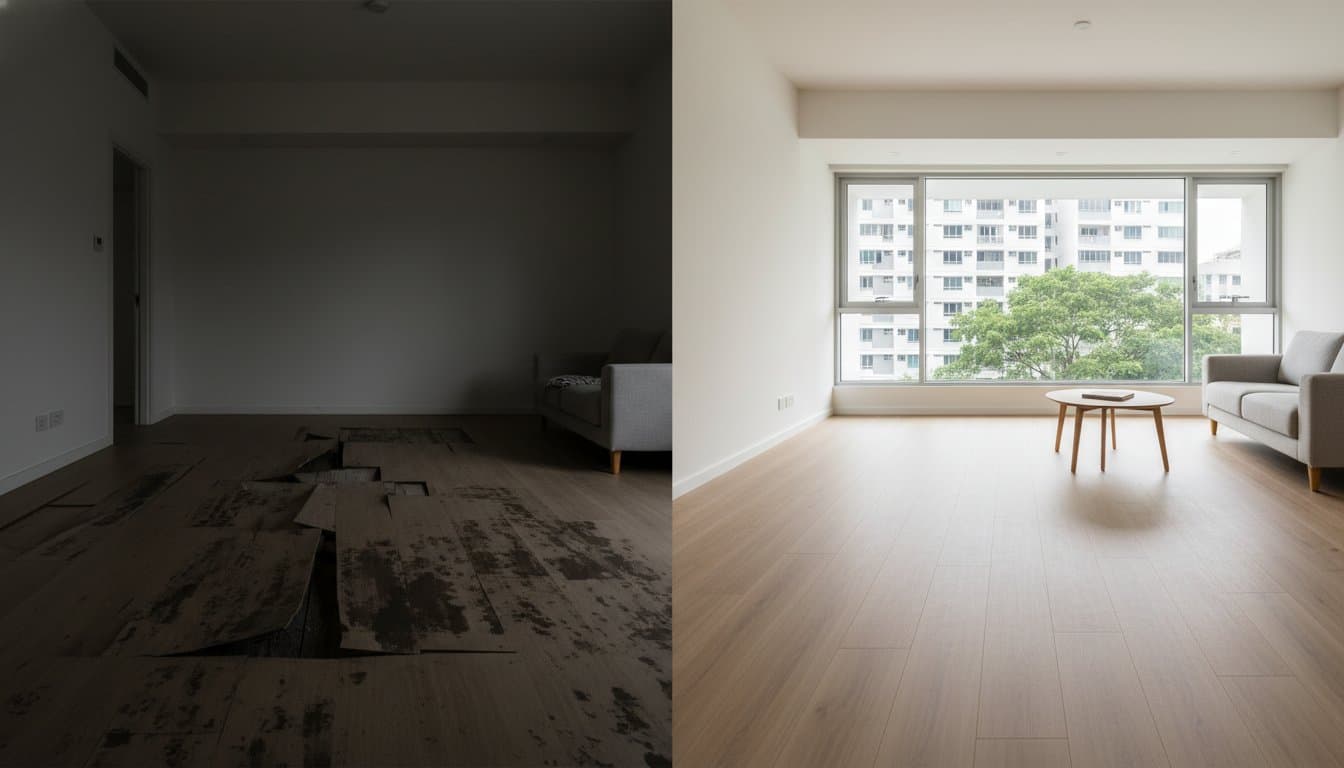
Achieving a flawless finish requires looking past the material price alone. The total cost to panel a feature wall often fluctuates based on the condition of your existing substrate. If you’re renovating an older HDB flat with uneven cement screed, you’ll need to account for wall rectification. Professional installers prioritize surface prep to ensure the panels bond securely and look elegant for years. This technical groundwork is what separates a DIY attempt from a professional, long-lasting installation.
Surface Preparation and Wall Rectification
Hacking existing tiles is a significant labor expense in Singapore. Demolition and disposal fees for a standard 10-foot feature wall typically range from S$550 to S$1,200 depending on the tile material and site accessibility. Beyond demolition, high-humidity zones require moisture barriers or specialized primers to prevent delamination and mold growth. These treatments add roughly S$5 to S$8 per square foot to the project budget. A flat wall is the perfect foundation for any space; it reduces the need for thick layers of expensive structural adhesive and ensures a seamless alignment of patterns. When the substrate is perfectly level, the risk of panels “popping” or showing visible gaps at the seams is virtually eliminated.
Professional Labour vs. DIY Installation
While DIY projects seem cost-effective, errors in cutting and alignment often lead to 15% material wastage. In Singapore’s current market, skilled carpenters command daily rates between S$220 and S$450. Choosing a “Supply & Install” contract is often the smarter investment for homeowners seeking a premium look. These packages usually include a 1-year workmanship warranty, protecting you against issues like peeling or warping that might occur as the building settles. Professionals use specialized high-bond tapes and industrial-grade adhesives, which can cost approximately S$18 to S$25 per tube, to guarantee long-lasting performance.
The difference between “Supply Only” and “Supply & Install” contracts is significant. A supply-only purchase leaves the logistics of transport, adhesive selection, and precision cutting to you. In contrast, a full-service contract ensures every corner is mitered perfectly and the panels are aligned to create a stunning masterpiece. This expert approach eliminates the risk of expensive mistakes that often plague first-time DIY attempts. To ensure a truly sophisticated result, don’t overlook the value of professional finishing accessories. You can find premium edge trims and transition solutions from Nature Living Floor that mask raw edges and create a polished, modern aesthetic.
Ready to transform your home? Explore our elegant wall solutions and start your project with expert guidance today.
Achieving Premium Results with Nature Living Wall Solutions
Nature Living Floor provides the perfect foundation for any space. When you analyze the cost to panel a feature wall in 2026, the focus shifts from mere decoration to a sustainable, long-term investment. Choosing high-quality materials ensures that your initial spend doesn’t lead to expensive repairs or replacements. Our Wood Plastic Composite (WPC) and Stone Plastic Composite (SPC) panels are engineered to combine beauty with long-lasting performance, making them a superior choice for Singapore’s unique environment.
In Singapore, where relative humidity levels often exceed 80%, traditional timber can suffer from warping or mold. Our wall solutions are 100% waterproof and termite-proof, providing peace of mind for homeowners and commercial developers alike. These durability markers are essential for maintaining a flawless finish in high-traffic areas. We also provide slip-resistant accessories that ensure safety without compromising the sophisticated aesthetic of your interior masterpiece.
The Nature Living Advantage
Our commitment to excellence begins with the selection of premium, eco-friendly materials. We understand that a feature wall is a reflection of personal style, which is why our Summer and Winter collections offer curated aesthetic options. The Summer series features warmer, vibrant tones that invite light into a room, while the Winter collection provides cooler, more muted textures for a modern, calm atmosphere. These collections allow you to tailor the cost to panel a feature wall to your specific design vision.
- Non-toxic composition: Safe for families and pets, meeting strict environmental standards.
- Curated Collections: Professionally designed palettes that take the guesswork out of color matching.
- Expert Guidance: Our consultants help you balance your budget with premium material selection.
Actionable Tip: Use our online Product Visualizer to estimate the look of different textures against your existing furniture before making a final purchase. This digital tool helps eliminate design errors and ensures the final result matches your expectations.
Completing Your Space
To transform a room into a cohesive masterpiece, your wall panels should work in harmony with your flooring. Matching your feature wall with our Luxury Vinyl Resilient Flooring (LVRF) creates a seamless transition between vertical and horizontal surfaces. This holistic approach to design elevates the entire room, making even a modest budget project feel like a luxury renovation. The visual continuity achieved by pairing these materials is a hallmark of high-end Singaporean interiors.
The details often define the quality of the installation. We recommend using aluminum trims and PVC skirtings to hide expansion gaps and provide a polished, professional edge. These accessories are not just functional; they act as the “frame” for your wall, highlighting the craftsmanship of the installation. If you are ready to elevate your home, View our Elegant Wall Solutions and request a quote today. Start your project with an expert consultation to ensure every S$ spent adds maximum value to your property.
Transform Your Space with Precision and Style
Planning your interior upgrade for 2026 requires a balance of aesthetic vision and fiscal discipline. Choosing between WPC, SPC, or luxury veneer isn’t just about the upfront price; it’s about long-term value. In Singapore’s high-humidity climate, investing in moisture-resistant materials prevents costly warping and maintenance later. The total cost to panel a feature wall depends on your choice of premium materials and the complexity of the installation. Don’t overlook the importance of professional labour, as expert finishing ensures your wall serves as a sophisticated foundation for years to come.
For a flawless result, always verify the technical specifications of your panels. Look for materials specifically engineered for Southeast Asian climate resilience to ensure they withstand local moisture levels while maintaining Red Dot-worthy design aesthetics. Start your project by measuring your wall twice and allowing a 10% buffer for material wastage. This simple step prevents mid-project delays and keeps your budget predictable. It’s the most effective way to achieve a premium look without unnecessary stress.
Explore Our Premium Wall Panel Collections
Your dream home is within reach when you combine expert planning with high-performance solutions.
Frequently Asked Questions
How much does a typical TV feature wall cost in Singapore for 2026?
A standard TV feature wall in Singapore generally ranges from S$1,500 to S$4,500 depending on material choice and design complexity. For a 3-meter wide wall, premium laminate finishes often start at S$2,000. Custom carpentry with integrated LED lighting and storage can push the 2026 market rates closer to S$6,000 for bespoke, high-end installations.
Is it cheaper to use WPC fluted panels or real wood panelling?
WPC fluted panels are typically 30% to 50% more affordable than solid wood alternatives in the Singapore market. Real timber requires extensive manual craftsmanship and specialized staining, while WPC offers a pre-finished, durable solution. This cost efficiency makes WPC a preferred choice for achieving a sophisticated aesthetic without the high price tag of natural teak or oak.
Does the cost to panel a wall include the removal of old wallpaper or paint?
Professional installation quotes usually exclude the removal of existing wallpaper or peeling paint unless the contractor specifically itemizes these tasks. Contractors often charge an additional S$150 to S$300 for site preparation on a standard 10-foot wall. To ensure a flawless finish, you should ensure your wall is stripped and primed before the installation of your elegant wall solutions begins.
Are there hidden costs in feature wall installation I should watch out for?
Hidden expenses often include electrical work for LED strips, wall leveling for uneven surfaces, and delivery fees for oversized panels. Electrical points for a TV feature wall typically cost S$80 to S$120 per socket in Singapore. Always verify if the total cost to panel a feature wall includes the trimming of skirting boards or the relocation of existing data points.
Can I install wall panels myself to save on labor costs?
You can save approximately 20% to 35% of the total project cost by handling the labor yourself, but it’s not recommended for complex designs. Professional installers use specialized adhesives and precision cutting tools that prevent visible gaps or alignment issues. For premium materials, expert installation ensures long-lasting performance and preserves the manufacturer’s warranty.
How does the cost of SPC wall panels compare to traditional ceramic tiles?
SPC wall panels are generally more cost-effective than ceramic tiles because they require significantly less labor and no messy grouting. While material prices might be similar, the installation of SPC is roughly 40% faster than tile work. This reduces the total project timeline and labor fees, making it a highly efficient solution for modern Singaporean homes.
Do wall panels require expensive long-term maintenance?
Premium wall panels don’t require expensive maintenance routines or specialized chemical cleaners. High-quality WPC and SPC options are moisture-resistant and only need occasional wiping with a damp cloth to stay clean. Unlike natural wood that requires periodic varnishing every 3 to 5 years, these durable solutions maintain their elegant appearance with minimal effort.
What is the price difference between fluted panels and flat marble-look panels?
Fluted panels usually carry a 15% to 25% price premium over flat marble-look panels due to the complexity of the manufacturing process. The cost to panel a feature wall with textured fluting involves more material density per square meter than flat alternatives. Flat marble-look panels offer a sleek, sophisticated finish at a more accessible price point for large-scale applications.
Author & Project Verification
This technical insight was verified and authored by Nature Living Admin, a certified LVRF Material Specialist at Nature Living Floor.
Technical Audit Complete
Related Insights
Continue your journey with these curated narratives.