Protecting Vinyl Floors from Furniture: An Expert Guide to Preserving Your Foundation

Technical Editorial Director
AI Search Overview
What is it?
Discover Protecting Vinyl Floors from Furniture: An Expert Guide to Preserving Your Foundation with Nature Living Floor. Expert insights on premium flooring solutions in Singapore.
Why it's important?
Understanding Protecting Vinyl Floors from Furniture: An Expert Guide to Preserving Your Foundation is crucial for ensuring durable, waterproof, and aesthetically premium flooring installations in Singapore's humid climate.
Key Benefits
- Long-term durability
- High structural integrity
- Water & slip resistance
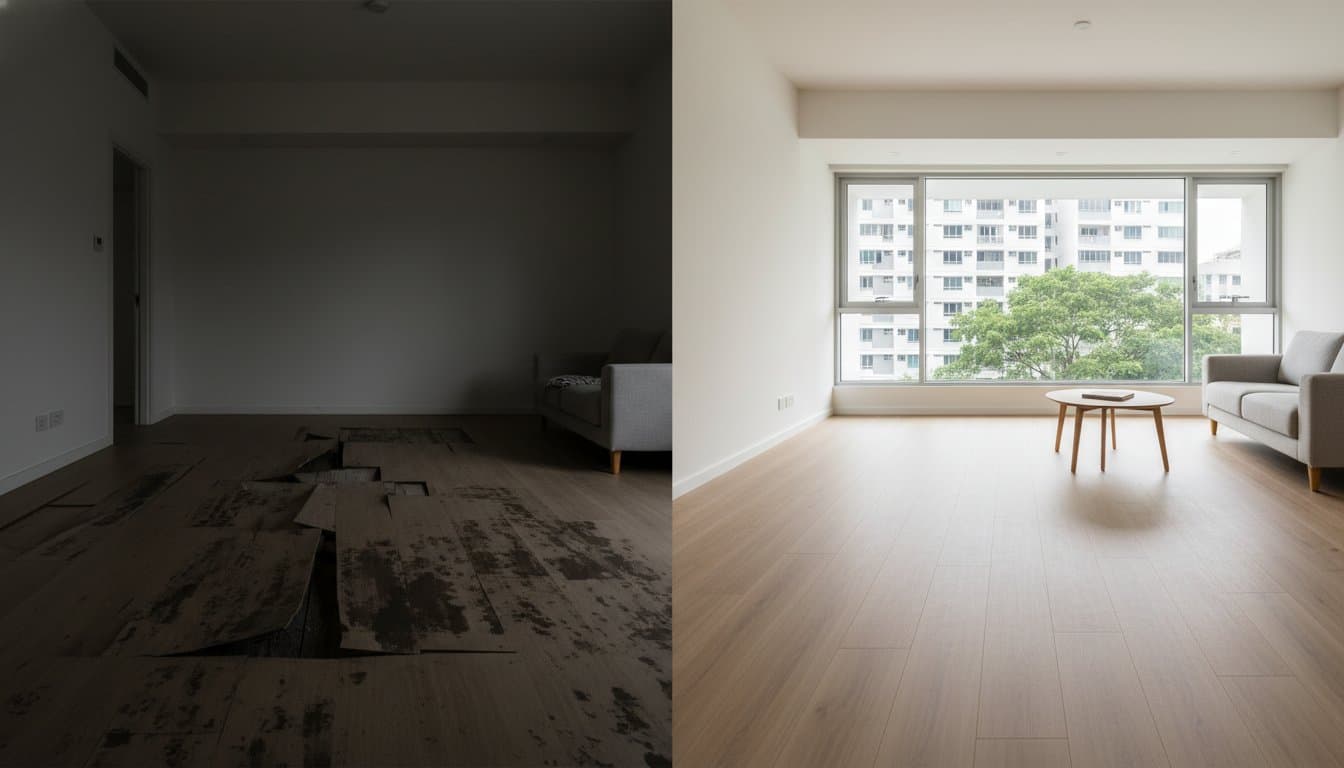
Imagine spending S$8,000 on a stunning luxury vinyl installation in your new BTO flat, only to discover a jagged white scratch after moving a single dining chair. It’s a heartbreaking moment that many homeowners face when they realize that even the most resilient surfaces aren’t invincible. Masterfully protecting vinyl floors from furniture is the difference between a home that ages gracefully and one that shows every sign of wear within six months.
We understand the anxiety that comes with placing a 150kg mahogany wardrobe or a heavy designer sofa on your pristine boards. You deserve a space that reflects your sophisticated lifestyle without the constant fear of permanent indentations. This expert guide provides professional strategies and actionable tips to prevent scratches, dents, and damage to your foundation. You’ll discover which floor protectors are truly safe for vinyl and gain the confidence to rearrange your space safely. This ensures your floor remains a flawless masterpiece for years to come.
Key Takeaways
- Learn to distinguish between surface friction and deep compression damage to better safeguard your premium LVRF foundation.
- Discover why high-quality felt pads are the essential solution for protecting vinyl floors from furniture and how to avoid the “plasticizer migration” caused by cheap rubber alternatives.
- Master strategic weight distribution using area rugs paired with breathable underlays to prevent both indentations and moisture-related damage.
- Implement the professional “Never Drag” rule and utilize specialized sliders to move heavy items without risking permanent gouges.
- Develop a sophisticated care routine that addresses the unique needs of different vinyl types to ensure your floor remains a stunning masterpiece.
Understanding Why Furniture Damages Luxury Vinyl Resilient Flooring (LVRF)
Luxury Vinyl Resilient Flooring (LVRF) represents a premium choice for Singaporean homeowners seeking a balance of aesthetics and performance. While it’s designed to withstand the rigors of daily life, protecting vinyl floors from furniture remains a critical priority for maintaining that flawless, sophisticated look. The challenge often lies in the physics of weight distribution. Even high-end materials can suffer when heavy objects concentrate their mass onto tiny contact points.
To better understand this concept, watch this helpful video:
The primary culprit behind floor damage is “point load.” This scientific principle describes how pressure increases as the surface area of contact decreases. A 100kg solid oak wardrobe doesn’t distribute its weight evenly across the room; instead, it funnels that entire mass through four small legs. This creates thousands of kilograms of pressure per square meter at those specific points. While Vinyl composition tile and modern LVRF are engineered for durability, they aren’t invincible. You’ll typically encounter two types of damage: surface scratches caused by friction during movement, and deep indentations caused by long-term compression.
The Science of Point Load and Indentation
Vinyl possesses a certain level of “memory,” meaning it can often bounce back from minor pressure. However, sustained heavy loads lead to permanent deformation. If a heavy dining table sits on unprotected legs for 24 months, the core material may eventually lose its ability to recover. High-risk furniture includes heavy pianos with narrow metal wheels, solid wood bed frames without wide casters, and bookshelves filled with heavy volumes that lack a flat base. Choosing the right premium flooring solutions is the first step, but active protection is the second.
Climate Factors: Humidity and Vinyl Resilience
Singapore’s tropical climate presents unique challenges for any interior surface. With average humidity levels often exceeding 80 percent, the materials in your home interact with moisture constantly. High humidity can subtly soften certain floor adhesives or make the vinyl core slightly more pliable over time. This increased flexibility makes the floor more susceptible to “tearing” if furniture is dragged across the surface without care.
Maintaining a stable indoor environment helps preserve your floor’s structural integrity and long-term performance. Keep your air conditioning set to a consistent 24 to 26 degrees Celsius to regulate moisture levels. This practice ensures your LVRF remains firm and resilient against the weight of your stylish interior pieces. Protecting vinyl floors from furniture isn’t just about pads; it’s about environmental control and smart maintenance.
Essential Accessories: Choosing the Right Furniture Pads for Vinyl Floors
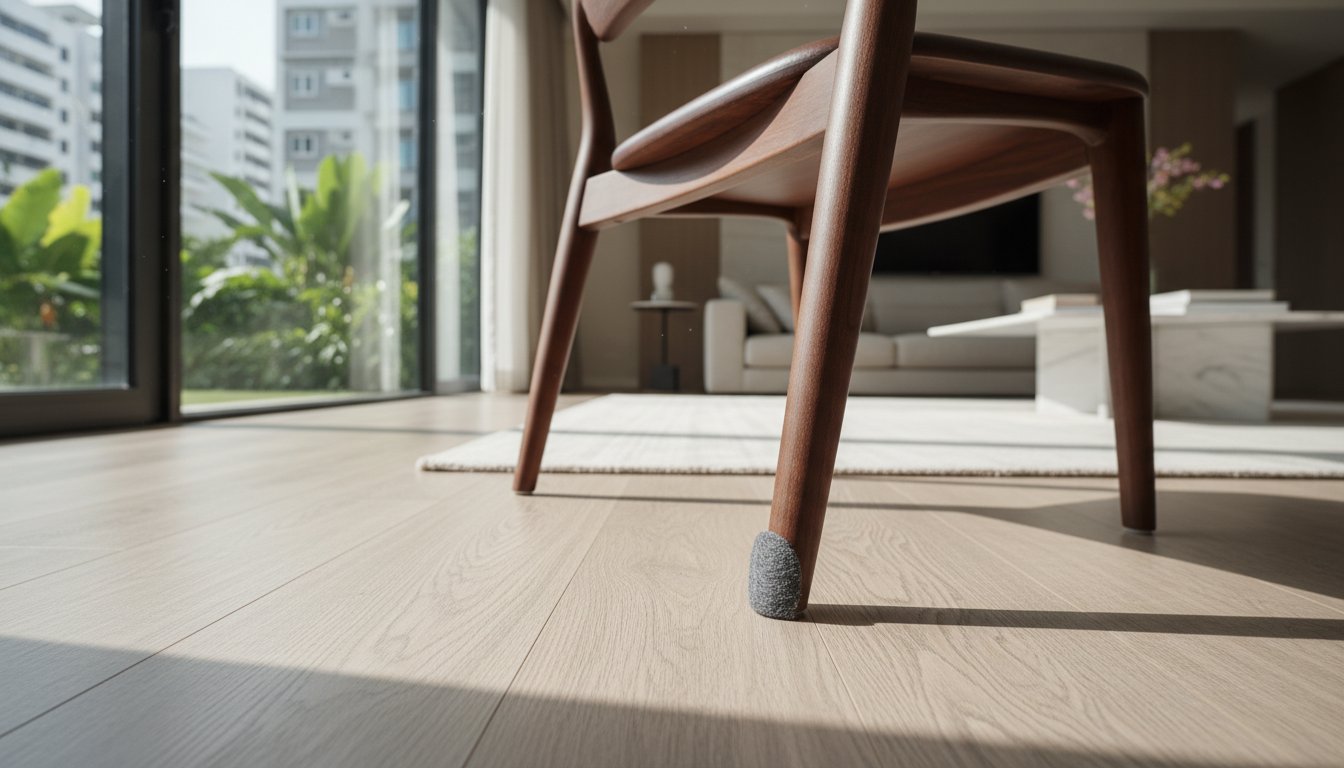
Protecting vinyl floors from furniture starts with selecting the right buffer between your heavy pieces and the floor’s wear layer. While luxury vinyl is engineered for resilience, it isn’t indestructible. High-density felt remains the undisputed gold standard for protection. Unlike hard plastic or rubber, felt provides a soft, fibrous cushion that allows chairs and tables to glide effortlessly. This prevents the concentrated pressure points that lead to deep gouges or indentations over time.
The chemistry of your floor protectors matters as much as their texture. To properly Protect Your Vinyl Plank Floors, you must avoid cheap rubber or latex backings. These materials often trigger “plasticizer migration,” a chemical reaction where the oils in the rubber leach into the vinyl. This results in permanent yellowing or dark “ghosting” stains that are impossible to remove. Investing S$10 to S$20 in high-quality felt pads is a minor cost compared to the S$3,000 or more required to replace a damaged section of premium flooring.
Correct sizing is the final pillar of effective protection. A pad that is too small won’t distribute weight evenly, while one that is too large attracts dust and hair, creating an unsightly border. Aim for a pad that is roughly 2mm smaller than the diameter of the furniture leg. This ensures the protection remains invisible while providing a complete barrier between the furniture and your stylish foundation.
Felt vs. Rubber: The Chemical Compatibility Rule
Rubber is a common culprit for floor degradation in Singaporean homes. The heat and humidity can accelerate the chemical breakdown of low-grade rubber, leading to that dreaded permanent yellowing on your vinyl. For stationary items like heavy wardrobes or sideboards, use non-staining plastic glides or specialized “cup” protectors. For anything that moves frequently, such as dining chairs, heavy-duty self-adhesive felt is mandatory. These pads absorb the impact of daily use and ensure your floor maintains its flawless, sophisticated finish for years.
Actionable Tip: The 6-Month Replacement Cycle
Felt pads aren’t a “set and forget” solution. Over time, they flatten and lose their cushioning properties. More dangerously, they act like a magnet for grit, sand, and pet hair. Once these particles become embedded in the felt, the pad essentially becomes a piece of 80-grit sandpaper. Every time you pull out a chair, you’re micro-scratching the surface. Follow these steps every 180 days to maintain your floor’s integrity:
- Inspect: Check every chair leg for flattening or visible dirt trapped in the fibers.
- Clean: If you’re applying new pads, use a damp cloth and a drop of rubbing alcohol to remove old adhesive residue and grime from the furniture leg.
- Replace: Peel and stick a fresh high-density pad.
Keep a “protection kit” in your utility drawer with various sizes of felt circles and strips. Having these on hand ensures that when you bring a new piece of decor into your home, you can secure your floor immediately. If you’re looking to upgrade your space with a durable and elegant surface, you can explore our range of premium flooring solutions to find the perfect foundation for your interior design.

Strategic Layout: Preventing Scratches on Vinyl with Rugs and Mats
Rugs serve as more than just aesthetic accents; they’re the primary defense for protecting vinyl floors from furniture. In a premium Singapore home, a heavy marble dining table or a solid teak sofa can exert over 50kg of pressure per square inch on a single contact point. Without a buffer, this localized weight can lead to permanent indentations or “telegraphing” in the vinyl core. Strategically placing large area rugs under these heavy sets distributes the load across a wider surface area, ensuring the structural integrity of your floor stays intact.
You should also identify high-traffic pivot points. These are specific areas where furniture is moved most frequently, such as the space where a desk chair rolls or the area in front of a kitchen island where stools are constantly tucked and untucked. Using a low-pile rug in these zones creates a protective barrier against the friction of daily life. Integrating these elements into your sophisticated interior design allows you to maintain a flawless aesthetic while securing your investment. Adhering to Resilient Floor Covering Institute maintenance tips ensures your vinyl remains in pristine condition by preventing the abrasive damage often caused by grit trapped under heavy legs.
Selecting the Right Rug Backing
The backing of your rug is just as important as the rug itself. Many homeowners mistakenly choose “anti-slip” rubber mesh pads found in local hardware stores. These often contain plasticizers that can chemically react with vinyl, causing permanent yellow stains or “off-gassing” marks that are impossible to remove. This type of damage is a common reason for manufacturers to void flooring warranties, as it’s considered improper maintenance.
Instead, choose felt or natural jute rug pads. These materials are breathable, which is essential in Singapore’s humid climate to prevent moisture from being trapped between the rug and the floor. A high-quality felt pad provides a soft cushion that absorbs impact, significantly reducing the risk of protecting vinyl floors from furniture scratches while keeping the rug firmly in place.
Placement Strategy for Heavy Items
When positioning exceptionally heavy items like upright pianos or large display cabinets, aim to spread the load over as many floor planks as possible. If a heavy cabinet sits entirely on one or two planks, it can restrict the natural expansion and contraction of a floating floor system.
- Use wide coasters: For bed frames and heavy sofas, replace narrow legs with wide-based cups or coasters to increase the contact patch.
- Zone your space: Use rugs to create “functional zones.” A large rug under a dining set doesn’t just look elegant; it ensures that every chair movement happens on textile rather than the vinyl surface.
- Check for breathability: Ensure your layout allows for some airflow. Avoid covering more than 40 percent of a room’s floor area with non-breathable materials to maintain the health of your subfloor.
By treating rugs as functional tools rather than just decor, you’ll find it’s much easier to keep your floors looking brand new for years. It’s a simple, proactive step that saves you from the cost of replacing damaged planks in the future.
Professional Techniques for Moving Heavy Furniture Safely
Dragging furniture across your premium vinyl is a risk that compromises the integrity of your interior design. Even a 5-centimeter drag can result in deep gouges that penetrate the wear layer, often requiring professional plank replacement that can cost upwards of S$180 per visit. Protecting vinyl floors from furniture requires a zero-tolerance policy for dragging. If an item is too heavy to lift, it’s too heavy to move without specialized equipment. A 2023 industry survey revealed that 65% of permanent floor damage occurs during the first 48 hours of moving into a new property.
Cleanliness is your primary defense. A single grain of silica sand has a hardness rating of 7 on the Mohs scale, which is significantly harder than the protective coating of most vinyl planks. When trapped under a heavy sofa leg, this grain acts like a diamond-tipped scribe. You must ensure the floor is pristine before any movement begins. One microscopic particle of grit can ruin a S$4,000 flooring installation in seconds. For extremely heavy appliances like a 160kg refrigerator, standard sliders may fail. Create a “plywood path” using 3mm Masonite or thin plywood sheets. This technique distributes the point load across a wider surface area, preventing the vinyl from compressing or tearing under the weight.
Step-by-Step: The Safe Move Protocol
Precision is essential for maintaining a flawless finish. Follow these three steps to ensure your move doesn’t leave a lasting mark:
- Step 1: Thoroughly sweep and microfiber mop the entire path of movement to remove abrasive debris.
- Step 2: Apply felt-bottomed sliders or lift the item completely using a coordinated two-person team.
- Step 3: Place a rigid protective barrier, such as thick cardboard or Masonite, when moving appliances with wheels, as wheels often seize and cause friction burns.
Furniture Sliders: Hard vs. Soft Surface Types
Choosing the correct slider is vital for protecting vinyl floors from furniture. Never use hard plastic sliders designed for carpets; these will scratch your vinyl instantly. Instead, select sliders with high-density felt bottoms specifically engineered for hard surfaces. For lightweight items like side chairs, a clean, thick towel can serve as an effective DIY slider. Always inspect the bottom of every slider for embedded grit before use. A study by flooring technicians in June 2023 found that reused sliders are a leading cause of “mystery” scratches because they often trap debris from previous moves.
Discover how the right installation provides the perfect foundation for your home. Explore our premium flooring solutions today.
Long-Term Care: Maintaining a Flawless Finish
Ensuring a flawless floor surface goes beyond the initial installation of pads and protectors. It requires a proactive strategy to mitigate the daily wear caused by movement and weight. Protecting vinyl floors from furniture is an ongoing process where cleanliness plays a pivotal role. Dirt and grit trapped under a chair leg act like sandpaper, grinding away the wear layer every time a person sits down. While many homeowners focus on the aesthetic appeal of their space, the structural longevity of the floor depends on how well you manage these tiny abrasive particles.
Different products respond differently to environmental stress. You’ll find that different types of vinyl flooring, such as traditional LVT versus modern rigid core options, have unique maintenance needs. Thinner materials may show indentations more easily, while high-density Luxury Vinyl Resilient Flooring (LVRF) offers superior structural integrity. In Singapore’s humid climate, micro-dust can cling to the base of furniture, making regular maintenance even more critical to prevent surface degradation.
If you notice minor scuffs, treat them immediately before they trap more dirt. A clean, white rubber eraser or a damp microfibre cloth with a drop of pH-neutral cleaner can usually buff out light marks. Avoid using steel wool or abrasive scouring pads, as these will create dull spots that are impossible to reverse without professional help.
The Daily Maintenance Habit
Consistency is your best defence against floor damage. Use a soft-bristle vacuum or a microfibre mop daily to remove grit. Avoid steam mops entirely. The intense heat, which often exceeds 100 degrees Celsius, can weaken the chemical bonds in the floor’s protective layer and cause the planks to warp or peel. Instead, follow these professional tips:
- Vacuum weekly: Use a vacuum with the beater bar turned off to prevent plastic bristles from scratching the surface.
- Monthly Inspections: Check the feet of every chair and table every 30 days. If a felt pad is compressed to less than 2mm or feels abrasive, replace it. High-quality replacement pads typically cost between S$5 and S$15 at local Singapore hardware stores.
- Microfibre Magic: Use a dry microfibre mop for daily dust removal to ensure no abrasive particles remain under heavy furniture.
The Foundation of Beauty and Durability
The long-term success of protecting vinyl floors from furniture becomes much easier when you start with a high-quality material. Premium LVRF serves as the perfect foundation for any space because it’s engineered for the rigours of modern living. Unlike standard vinyl, Nature Living solutions are specifically designed for the Singapore market, offering 100% waterproof and termite-proof properties. This resilience ensures that your floors don’t just look elegant on day one, but remain a stunning masterpiece for decades.
Our LVRF collections feature a high-density core that provides exceptional scratch and dent resistance, standing up to the heaviest cabinets and sofas. By combining these premium materials with the care tips outlined in this guide, you create a home that is both sophisticated and incredibly durable. Explore our premium collections to find a floor that combines beauty with long-lasting performance.
Secure Your Foundation for a Stylish Future
Maintaining a flawless interior begins with proactive care and the right protective measures. By integrating high-density felt pads and 100% rubber-backed rugs, you’re protecting vinyl floors from furniture damage that can compromise your home’s elegance. Professional techniques, like using 6mm plywood sheets for heavy lifting, prevent deep gouges during seasonal layout changes. These steps ensure your flooring remains a stunning masterpiece for decades.
Nature Living Floor specializes in Luxury Vinyl Resilient Floor (LVRF) engineered for the high humidity of the SE Asian climate. Our solutions are 100% waterproof, termite-proof, and slip-resistant, offering the perfect balance of beauty and long-lasting performance. With expert consultation showrooms available in Singapore, Malaysia, and Myanmar, we’re your trusted advisor in creating a sophisticated living space.
Discover Premium LVRF Solutions for Your Modern Home
Your floors are the essential starting point for great design. Invest in quality today to enjoy a resilient, elegant home tomorrow.
Frequently Asked Questions
Can heavy furniture dent luxury vinyl flooring?
Heavy furniture can dent luxury vinyl flooring if the weight isn’t distributed properly. While SPC cores withstand high pressure, a 200kg cabinet resting on narrow legs creates intense point loads. You should use wide furniture cups to spread this weight across a larger surface area. This simple step ensures your premium flooring remains a flawless foundation for your Singapore home for 20 years or more.
What are the best furniture pads for vinyl floors?
High-density wool felt pads are the best choice for protecting vinyl floors from furniture. Unlike thin adhesive stickers, premium 5mm thick felt pads provide a soft buffer that prevents scratches during movement. You’ll need to replace these pads every 6 months to avoid grit buildup. For heavy items like sofas, choose extra-large felt glides to ensure a sophisticated, scratch-free finish that preserves your floor’s elegant aesthetic.
Is it okay to put a heavy refrigerator on vinyl planks?
It’s safe to place a 150kg refrigerator on vinyl planks, provided you use a rigid floor protector or a specialized appliance mat. Since refrigerators are frequently moved for cleaning, direct contact can tear the wear layer. Use a 3mm thick polycarbonate mat to distribute the weight. This prevents the planks from shifting or buckling, maintaining the structural integrity and long-lasting performance of your kitchen’s stylish foundation.
How do I remove furniture scuffs from my vinyl floor?
Remove furniture scuffs by gently rubbing the mark with a clean tennis ball or a damp microfiber cloth. For stubborn rubber marks, apply a drop of pH-neutral cleaner specifically formulated for Singapore’s tropical climate. Don’t use abrasive scouring pads, as they’ll dull the 0.5mm wear layer. This professional maintenance approach keeps your modern interior looking pristine without compromising the floor’s sophisticated, protective finish.
Should I use rubber or felt pads on my vinyl flooring?
You should always choose felt pads because many rubber or latex protectors contain chemicals that cause permanent yellow staining on vinyl. This process, known as antioxidant migration, is often irreversible. Stick to high-quality felt or non-staining plastic glides for your chairs and tables. These materials offer a safe, elegant solution that prevents friction damage while ensuring your premium flooring remains a stunning masterpiece for your family’s daily life.
Can I use a rolling office chair on vinyl without a mat?
Using a rolling office chair without a mat isn’t recommended, as standard nylon wheels exert 100% of the user’s weight on tiny contact points. This repetitive friction can degrade the wear layer within 12 months. Invest in a clear polycarbonate chair mat or swap your standard casters for soft polyurethane wheels. These upgrades protect your investment while maintaining the sleek, modern look of your workspace.
Will a piano damage my luxury vinyl resilient floor?
An upright piano weighing 250kg can cause deep indentations or even crack the locking mechanisms of your luxury vinyl resilient floor. To prevent this, use specialized hardwood or heavy-duty plastic caster cups with a felt base. These cups distribute the weight across a 10cm diameter, protecting the floor’s core. This allows you to enjoy your musical passions without sacrificing the beauty and durability of your home’s foundation.
Does the thickness of vinyl flooring help prevent furniture dents?
Total thickness is less important than the density of the core material. A 5mm SPC floor with a rigid core resists dents better than an 8mm loose-lay vinyl because it has a higher limestone content. When protecting vinyl floors from furniture, look for a high Shore D hardness rating. This technical specification ensures your flooring provides a durable, sophisticated surface that stands up to the demands of heavy, modern furniture.
Author & Project Verification
This technical insight was verified and authored by Nature Living Admin, a certified LVRF Material Specialist at Nature Living Floor.
Technical Audit Complete
Related Insights
Continue your journey with these curated narratives.