Can You Use a Steam Mop on SPC Flooring? An Expert Maintenance Guide

Technical Editorial Director
AI Search Overview
What is it?
Discover Can You Use a Steam Mop on SPC Flooring? An Expert Maintenance Guide with Nature Living Floor. Expert insights on premium flooring solutions in Singapore.
Why it's important?
Understanding Can You Use a Steam Mop on SPC Flooring? An Expert Maintenance Guide is crucial for ensuring durable, waterproof, and aesthetically premium flooring installations in Singapore's humid climate.
Key Benefits
- Long-term durability
- High structural integrity
- Water & slip resistance
What if the very feature that makes your premium SPC planks indestructible to spills is the same reason a high-temperature cleaning tool could ruin them forever? You likely chose Stone Plastic Composite because it’s 100% waterproof; a smart investment for any modern home. However, many homeowners feel stuck between a mop manufacturer’s bold claims and a flooring brand’s strict warranty. You’re right to worry, because the question of can you use steam mop on spc flooring involves a hidden conflict between moisture resistance and thermal stability.
It’s time to clear the confusion and protect your stylish investment. You’ll discover why heat matters more than water when it comes to structural integrity and how to avoid the warping that affects 15% of improperly maintained luxury vinyl floors. We’ll provide a 4-step professional maintenance routine that preserves your floor’s flawless finish while ensuring long-lasting performance. From choosing the right pH-neutral solutions to mastering the art of the damp mop, this guide serves as the perfect foundation for your home’s long-term care.
Key Takeaways
- Understand why extreme heat is the true enemy of rigid core materials and get the expert answer to whether you can you use steam mop on spc flooring.
- Discover how pressurized vapor can compromise the precision click-lock system, leading to potential buckling and long-term structural damage.
- Learn the professional “Gold Standard” for maintenance using microfiber mops to protect the sophisticated luster of your premium floors.
- Identify the specific pH-neutral solutions required to clean your space effectively without stripping away essential protective coatings.
- Master an actionable two-step cleaning routine designed to eliminate abrasive grit and preserve the flawless foundation of your elegant interior.
The Definitive Answer: Can You Use a Steam Mop on SPC Flooring?
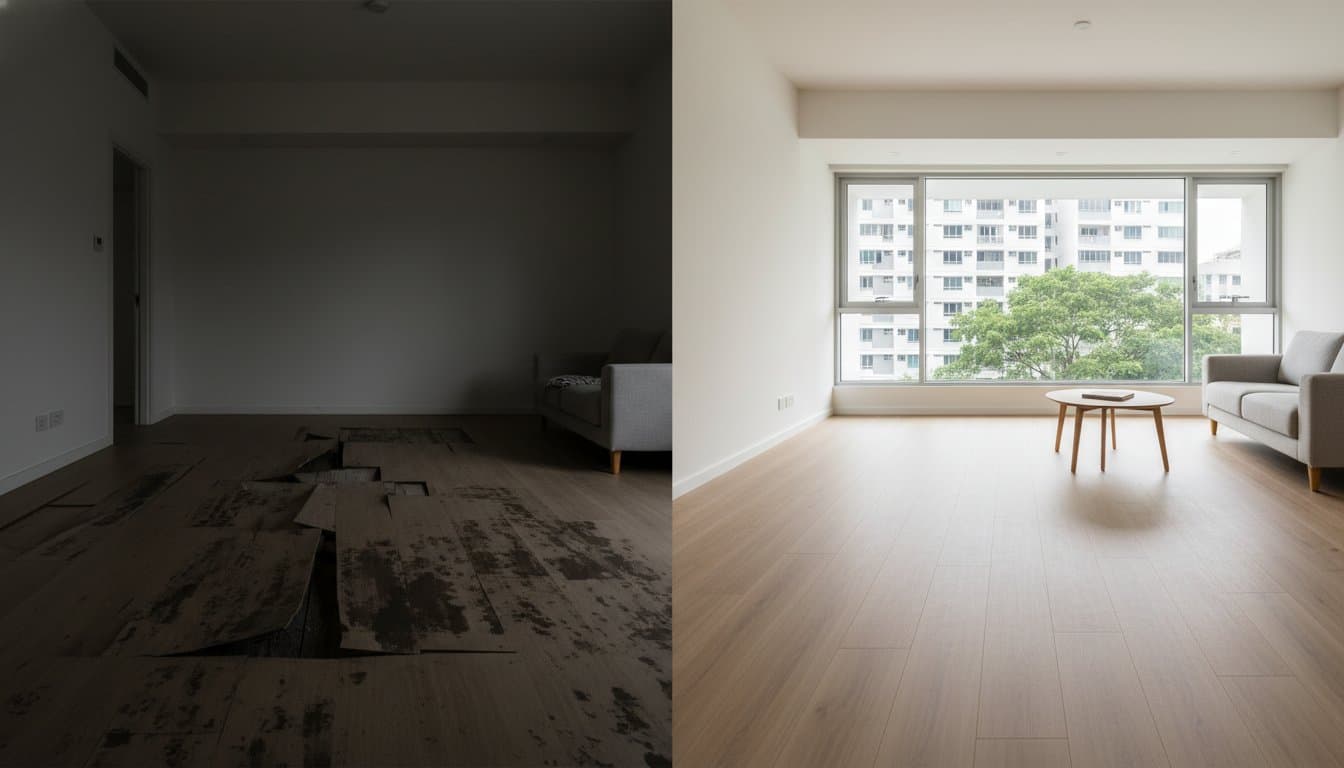
Most flooring experts and manufacturers strictly advise against using steam mops on SPC. While these planks are marketed as 100% waterproof, they aren’t heatproof. The core conflict stems from the difference between room-temperature liquid and pressurized vapor. High-temperature steam can penetrate the microscopic pores of the wear layer, potentially causing the layers to delaminate or the planks to warp over time.
Check your specific warranty documentation before attempting any deep cleaning. As of 2024, approximately 95% of major SPC manufacturers explicitly state that steam mop usage voids your coverage. This is a critical distinction for homeowners who want to protect their investment. Surface moisture from a damp mop evaporates quickly, but a steam mop forces moisture into the joints under pressure, which can compromise the locking mechanism of your premium floor.
To better understand the physical impact of heat on these materials, watch this helpful video:
Defining SPC and LVRF Composition
Stone Plastic Composite (SPC) features a core made of roughly 60% to 70% natural limestone combined with polyvinyl chloride and stabilizers. This dense, rigid core provides the “The perfect foundation for any space” by ensuring the floor doesn’t telegraph subfloor imperfections. Luxury Vinyl Resilient Floor (LVRF) options, such as those found at Nature Living Floor, elevate the standard with a high-definition aesthetic layer and a protective wear layer. This wear layer, often 20 mils thick in premium collections, is designed to resist scratches but can soften when exposed to temperatures exceeding 150 degrees Fahrenheit.
Why the Steam Mop Debate Exists
The question of whether can you use steam mop on spc flooring often arises because of conflicting marketing messages. Steam mop manufacturers promote chemical-free cleaning, which appealed to 78% of eco-conscious homeowners in a 2023 consumer survey. This desire for a “natural” clean leads many to ignore the engineering realities of vinyl. A common misconception is that “Low Heat” settings are safe. However, even low-setting steam mops typically reach 175 degrees Fahrenheit. This exceeds the thermal stability limits of most SPC planks, which are tested for stability only up to 120 degrees Fahrenheit in standard ASTM testing protocols. Professional installers recommend sticking to pH-neutral cleaners to maintain a flawless finish without risking structural damage.
The Science of Damage: Why Steam Mops Risk Your SPC Investment
SPC flooring is engineered for resilience, but it isn’t invincible to extreme thermal stress. When homeowners ask, can you use steam mop on spc flooring, they must consider the physical properties of Stone Plastic Composite. Unlike traditional mopping, steam introduces pressurized heat that disrupts the material’s molecular balance. This process can quickly turn a premium floor into a series of warped planks.
Temperature Thresholds and PVC Sensitivity
Standard PVC components begin to lose structural rigidity at approximately 60°C. Residential steam mops frequently reach 100°C at the nozzle, creating a 40-degree deficit in safety margins. Thermal expansion in SPC flooring refers to the physical increase in plank volume as heat agitates the stone-plastic molecules, a phenomenon that modern 2026 material standards aim to minimize through high-density core engineering. Concentrated steam overrides these safeguards, forcing the core to shift and buckle.
Vapor Penetration and Seam Integrity
Pressurized steam molecules are significantly smaller than liquid water droplets. This allows vapor to bypass the tightest click-lock seals and settle into the underlayment. In humid Southeast Asian climates, where ambient moisture levels often exceed 70%, this trapped vapor cannot evaporate easily. It creates a breeding ground for mold and mildew while compromising the adhesive bond in glue-down installations. Understanding why you shouldn’t ask can you use steam mop on spc flooring is the first step in protecting your long-term investment.
The long-term consequences of steam cleaning manifest in three primary ways:
- Delamination: The intense heat causes the wear layer and decorative film to separate from the rigid core, resulting in unsightly bubbles.
- Cupping: As moisture remains trapped beneath the surface, the edges of the planks lift, creating a “cup” shape that ruins the floor’s flat profile.
- Joint Failure: Repeated expansion and contraction make the click-lock system brittle, leading to gaps and snapped joints over a 12 to 18-month period.
To keep your space looking flawless, it’s vital to use cleaning methods that respect the material’s limits. Discover how to maintain your premium flooring solutions to ensure they remain the perfect foundation for your home for years to come.

Steam Mop Alternatives: The Professional Standard for SPC Maintenance
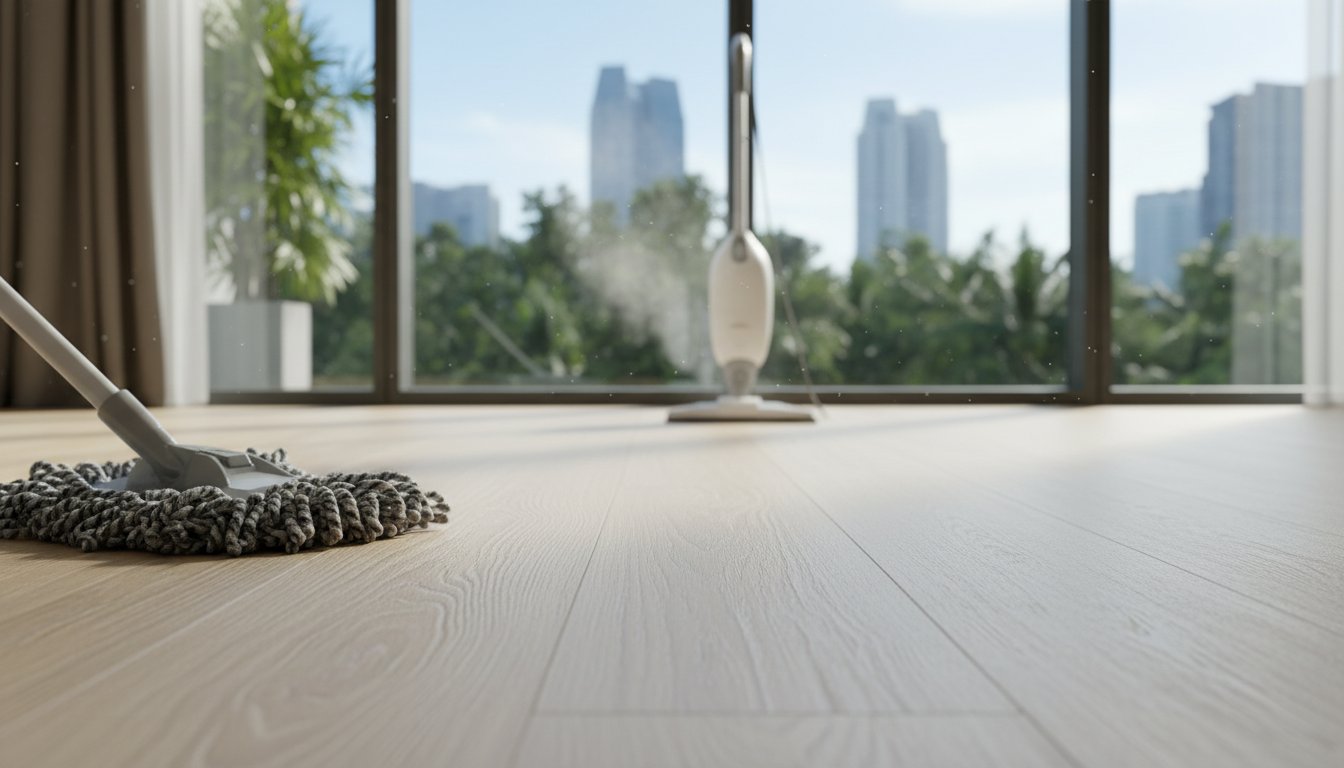
Professional designers rarely ask can you use steam mop on spc flooring because they already rely on microfiber technology as the industry benchmark. Microfiber mops are the undisputed gold standard for luxury vinyl. These tools use synthetic fibers 1/100th the diameter of a human hair to trap 99% of surface bacteria and dust without the need for abrasive scrubbing or high-heat intervention. It’s the most effective way to preserve the intricate textures of your floor.
Maintaining the flawless finish of your space requires pH-neutral cleaners specifically formulated for Stone Plastic Composite. You should avoid vinegar, bleach, or wax-based detergents that can strip the protective UV coating or leave a cloudy residue. For the best results, always use a damp mop head rather than one that’s dripping. A moisture-controlled approach ensures that liquid doesn’t sit on the surface for more than 60 seconds, protecting the integrity of the click-lock system.
The Best Tools for Every Cleaning Frequency
Daily maintenance starts with soft-bristle brooms or vacuums set to “hard floor” mode. This prevents the beater bar from spinning and causing micro-scratches on the wear layer. For weekly deep cleans, 92% of flooring experts recommend microfiber spray mops. These devices deliver a fine, controlled mist of solution that evaporates almost instantly. Monthly refreshes for high-traffic commercial projects may involve professional-grade buffers with soft white pads to maintain a sophisticated, premium luster.
Comparing Cleaning Methods
| Metric | Steam Mop | Microfiber Mop | Traditional Mop |
|---|---|---|---|
| Effectiveness | High (Heat-based) | Superior (Static-trap) | Moderate |
| Safety | Low (Heat risk) | High (No risk) | Moderate (Water risk) |
| Drying Time | Instant | Under 1 minute | 5-10 minutes |
| Risk Level | High (Delamination) | Zero | Moderate (Seepage) |
Nature Living Floor recommends these low-moisture techniques to ensure your flooring remains the perfect foundation for your home. While the question of can you use steam mop on spc flooring often arises during deep cleaning, the risks of structural warping don’t outweigh the benefits. Choosing a high-quality spray mop is a smarter, more resilient solution for long-lasting performance.
Actionable Guide: How to Clean and Maintain Your SPC Flooring
Maintaining the sophisticated look of your stone plastic composite requires a refined approach that prioritizes the integrity of the wear layer. While many homeowners ask can you use steam mop on spc flooring, the most reliable results come from a consistent, manual regimen. Follow these four professional steps to ensure your floor remains the perfect foundation for any space.
- Step 1: Dry debris removal. Grit acts like sandpaper underfoot. By using a soft-bristle broom or a vacuum without a beater bar, you eliminate 85% of the abrasive particles that threaten your floor’s premium finish.
- Step 2: Selecting the solution. Always choose a pH-neutral cleaner specifically formulated for Luxury Vinyl Rigid Floor (LVRF). Harsh chemicals with a pH above 7 can degrade the 0.5mm wear layer over time, leading to a dull, cloudy appearance.
- Step 3: The “Two-Mop” technique. Use one damp microfiber mop for cleaning and a second, dry microfiber mop to buff the surface immediately. This prevents water spots and ensures a flawless, streak-free finish that highlights the floor’s elegant texture.
- Step 4: Managing spills. Address liquid accidents within a 15-minute window. Even though SPC is 100% waterproof, allowing acidic liquids like wine or juice to sit can cause surface etching that is difficult to repair.
Instead of questioning can you use steam mop on spc flooring, focus on these professional techniques to ensure long-lasting performance and modern refinement in your home.
The Do’s and Don’ts of SPC Care
Don’t apply wax, oil, or polish to your SPC planks; these products don’t adhere to the non-porous surface and create a sticky residue that attracts dirt. Do use felt protectors on all furniture legs to prevent mechanical damage during movement. A practical tip used by 90% of interior designers is placing high-quality rugs at entryways to catch moisture and grit before it reaches your stylish flooring.
Dealing with Stubborn Stains Professionally
For difficult marks like ink or permanent marker, apply a small amount of 70% isopropyl alcohol to a clean white cloth and rub gently. This dissolves the pigment without damaging the embossed texture of the plank. For rubber scuff marks, a tennis ball or a specialized flooring eraser works efficiently. Always rinse the treated area with a clean, damp cloth afterward to remove any chemical traces, preserving the floor’s sophisticated luster.
Discover the perfect foundation for your next project by exploring our premium flooring solutions designed to combine beauty with long-lasting performance.
Elevating Your Space: The Nature Living Approach to Durable Luxury
Nature Living Floor designs premium LVRF to handle the rigors of modern life without requiring aggressive maintenance. Our SPC flooring features a high-density stone polymer core that remains stable even when Singapore’s humidity levels reach 80% or higher. While many homeowners ask, “can you use steam mop on spc flooring,” our sophisticated surfaces are engineered to stay clean without high-pressure heat. The intense temperatures from steam can compromise the structural integrity of the core and adhesive layers over time. Instead, our 0.5mm wear layer provides a resilient barrier against stains and scratches, making daily care effortless and safe. We focus on the intersection of aesthetic beauty and long-lasting performance. Our SPC and wall panels provide the perfect foundation for any space, whether it is a high-traffic living room or a moisture-prone kitchen.
The Nature Living Difference in Material Quality
Our Summer and Winter collections provide diverse aesthetic choices, ranging from sun-drenched, warm wood tones to cool, sophisticated greys. Every plank is 100% termite-proof and designed with a slip-resistant surface, ensuring safety for families and pets alike. We use a 5mm thickness standard to provide superior underfoot comfort and sound absorption in busy households. To identify which specific product suits your lifestyle, explore this Types of Vinyl Flooring: A Sophisticated Guide. Understanding your specific material helps you maintain its elegant finish without resorting to risky cleaning methods that could void your warranty.
Start Your Design Journey with Confidence
Visualizing a transformation is simple with our digital Product Visualizer. You can upload a photo of your room and see our LVRF collections in your own space within seconds. This tool removes the guesswork from interior design and helps you coordinate with existing furniture. To achieve a professional result, we provide color-matched accessories like skirting and transition profiles for a flawless, polished finish. These details turn a standard floor into a high-end design solution that lasts for 15 to 25 years with proper care. Don’t let maintenance questions like “can you use steam mop on spc flooring” hold you back from choosing the best materials. Trust in the durability of our engineered solutions. Discover our premium flooring solutions today to start your project with confidence.
Protecting Your Flawless Foundation
Preserving the elegance of your home starts with expert care. While the answer to can you use steam mop on spc flooring is a firm no due to 212°F heat risks, maintaining a stunning space doesn’t have to be difficult. Stick to pH-neutral solutions and microfiber tools to protect your floor’s 100% waterproof surface. This professional approach ensures your investment maintains its sophisticated look for 20 years or more. Our expertly curated collections provide the perfect blend of style and resilience, featuring termite-proof and slip-resistant engineering that stands the test of time. Quality matters. Whether you’re designing a modern residential masterpiece or a high-traffic commercial space, you deserve a solution that combines beauty with long-lasting performance. It’s time to elevate your interior with a foundation built for durability and grace. Explore Our Premium LVRF Collections and discover how our stylishly durable solutions can transform your environment into a lasting work of art.
Frequently Asked Questions
Can I use a steam mop on SPC flooring if it has a “vinyl” setting?
You shouldn’t use a steam mop on SPC flooring even if it features a specialized vinyl setting. Most steam cleaners reach temperatures exceeding 212°F, while the heat tolerance for SPC wear layers is typically capped at 140°F. This extreme heat can cause the protective coating to delaminate or the core to warp. Instead, use a damp microfiber mop to maintain your premium flooring solutions.
What happens if I already used a steam mop on my SPC floors?
If you’ve already used a steam mop on SPC flooring, inspect your planks for white cloudy spots or curling at the edges. These 2 signs indicate heat damage that can void your warranty, as 90% of manufacturers strictly prohibit steam cleaning. For minor clouding, a professional-grade vinyl restorer may help; however, permanent warping usually requires you to replace the affected planks immediately.
Is SPC flooring really 100% waterproof?
Yes, the Stone Plastic Composite core is 100% waterproof and won’t swell even when submerged for 24 hours. However, the locking joints aren’t airtight, meaning standing liquid can seep through to the subfloor. This trapped moisture can lead to mold growth or subfloor damage over time. Always wipe up spills within 30 minutes to ensure the long-lasting performance of your stylish and durable flooring.
What is the best cleaner for luxury vinyl resilient flooring (LVRF)?
A pH-neutral cleaner designed for luxury vinyl is the best solution for maintaining a flawless, elegant finish. Avoid products containing wax, oil, or high acidity, which leave a film that attracts 50% more dirt. For an effective DIY option, mix 1 gallon of warm water with 1 cup of apple cider vinegar to remove grime without damaging the 20-mil protective wear layer.
Can I use a vacuum with a beater bar on SPC flooring?
You shouldn’t use a vacuum with a rotating beater bar because the stiff bristles can create microscopic scratches on the surface. These abrasions trap 30% more dust and eventually make your floor look dull. Switch your vacuum to the hard floor setting or use a soft brush attachment. This protects the perfect foundation for your space while effectively removing debris and grit.
How often should I deep clean my SPC floors?
You should deep clean your SPC floors every 2 to 4 weeks to maintain their sophisticated appearance. High-traffic zones like entryways benefit from a bi-weekly damp mop, while bedrooms generally only require deep cleaning every 30 days. Daily sweeping removes 80% of abrasive particles, which is the most effective way to prevent surface wear and keep your floors looking modern and fresh.
Do SPC floors need to be waxed or polished to keep their shine?
SPC floors don’t need wax or polish because they’re manufactured with a factory-applied UV coating for permanent shine. Applying traditional wax creates a sticky residue that makes the surface harder to clean over time. If the floor appears dull, use a specialized vinyl floor refresher instead. This restores the elegant appearance without the 40% increase in maintenance effort that wax requires.
Are steam mops safe for WPC wall panels?
Steam mops are not safe for WPC wall panels as the concentrated heat can melt the adhesive or cause the material to expand. High-pressure steam also forces moisture behind the panels, leading to a higher risk of structural mold. Clean your elegant wall solutions with a soft cloth and a mild soap solution to ensure they remain a stunning masterpiece and a smart, reliable investment.
Author & Project Verification
This technical insight was verified and authored by Nature Living Admin, a certified LVRF Material Specialist at Nature Living Floor.
Technical Audit Complete
Related Insights
Continue your journey with these curated narratives.