Pros and Cons of Vinyl Flooring: A Professional Guide to LVRF in 2026

Technical Editorial Director
AI Search Overview
What is it?
Discover Pros and Cons of Vinyl Flooring: A Professional Guide to LVRF in 2026 with Nature Living Floor. Expert insights on premium flooring solutions in Singapore.
Why it's important?
Understanding Pros and Cons of Vinyl Flooring: A Professional Guide to LVRF in 2026 is crucial for ensuring durable, waterproof, and aesthetically premium flooring installations in Singapore's humid climate.
Key Benefits
- Long-term durability
- High structural integrity
- Water & slip resistance
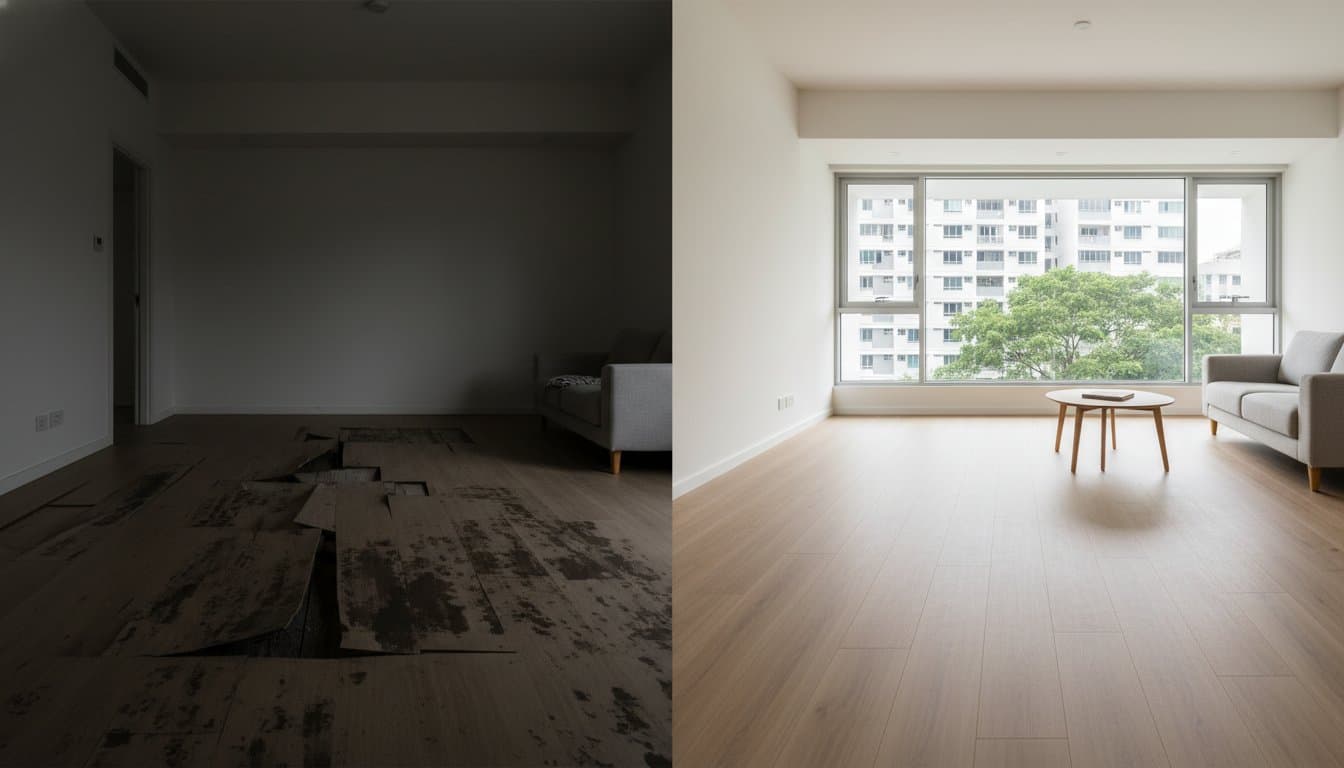
What if your flooring could survive 90% humidity levels without a single millimetre of warping? You’ve likely felt the anxiety of choosing between the organic warmth of natural timber and the practical need for a surface that resists tropical pests and moisture. It’s often difficult to distinguish between the thin, dated sheets of the past and the premium luxury planks that define modern interiors. To make a confident investment, you must evaluate the pros and cons of vinyl flooring through a professional lens that prioritizes both aesthetics and performance.
We understand that you want a floor that looks like natural wood but remains resilient against the elements. This guide offers an expert-led breakdown of luxury vinyl solutions to help you decide if LVRF provides the sophisticated, durable foundation your space requires. We’ll explore technical durability, such as the importance of a 20-mil wear layer, aesthetic versatility, and actionable installation tips to ensure your floor remains a stunning masterpiece. By reviewing 2026 industry standards, you’ll discover how the right choice today creates a low-maintenance, long-term investment for your modern lifestyle.
Key Takeaways
- Understand the evolution of Luxury Vinyl Resilient Floor (LVRF) into a sophisticated, high-tech surface that provides an elegant alternative to traditional materials.
- Analyze the pros and cons of vinyl flooring to determine how its 100% waterproof and slip-resistant nature serves as a premium foundation for your lifestyle.
- Identify the critical importance of subfloor preparation and temperature stability to prevent common installation pitfalls and ensure a flawless, long-lasting finish.
- Gain expert-led insights on examining wear layer thickness and technical specifications to select a durable solution that maintains its beauty under heavy daily use.
- Discover how to integrate Nature Living Floor’s premium LVRF into your design project to achieve a perfect balance of aesthetic appeal and resilient performance.
Beyond the Surface: Understanding Vinyl Flooring in 2026
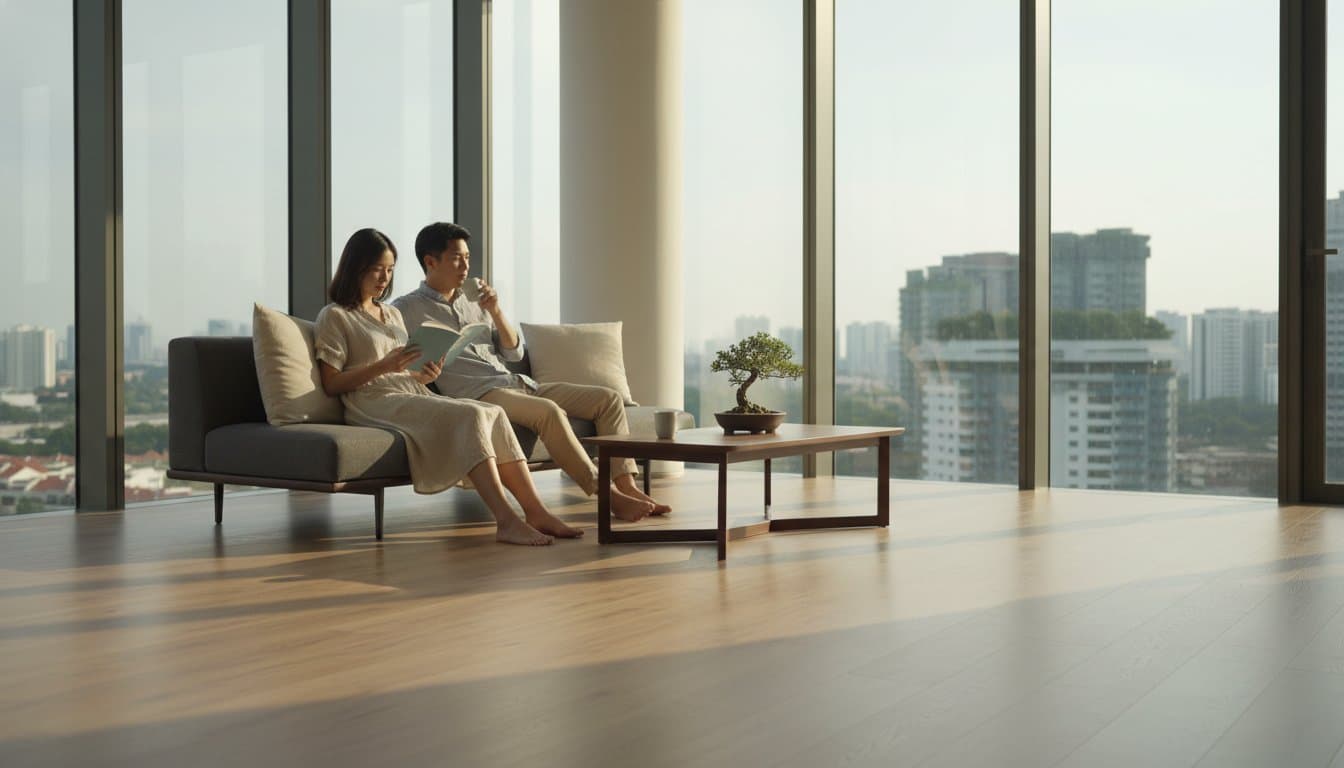
The flooring market in 2026 has moved far beyond the basic plastics of the late 20th century. Today, Luxury Vinyl Resilient Floor (LVRF) represents a sophisticated evolution in synthetic surfaces, blending high-end aesthetics with industrial-grade durability. This material isn’t a budget compromise; it’s a premium solution designed for curated interiors. When homeowners weigh the pros and cons of vinyl flooring, they find that modern multi-layered construction provides a level of tactile realism that was impossible just a decade ago.
To better understand how these modern surfaces perform in real-world settings, watch this helpful video:
Modern LVRF technology has effectively dismantled the “cheap plastic” stigma. By integrating Understanding Vinyl Flooring Composition into the design process, manufacturers now produce rigid core planks that offer incredible dimensional stability. These layers work together to resist temperature fluctuations and heavy impacts, ensuring your floor remains a perfect foundation for any space. This structural integrity is why LVRF is now a standard choice for luxury residential projects.
The Evolution from Sheet Vinyl to LVRF
Traditional sheet vinyl was often thin, prone to tearing, and limited by its repetitive patterns. In contrast, 2026 technology utilizes Stone Plastic Composite (SPC) cores and advanced click-lock systems that have reduced installation timelines by nearly 40 percent. High-definition printing now reaches 300 DPI resolution, while Embossed in Register (EIR) techniques align the surface texture perfectly with the visual grain. This results in a flawless finish that even seasoned designers struggle to distinguish from natural timber or stone.
Why Modern Interiors are Shifting to Resilient Surfaces
Contemporary designers are increasingly embracing “quiet luxury,” a trend where performance is as valued as visual appeal. Statistics from 2025 show that 65 percent of new premium builds now utilize resilient surfaces to create seamless transitions from moisture-heavy kitchens to elegant living areas. This shift is driven by the demand for flooring that can withstand high-traffic commercial use while maintaining a sophisticated residential feel.
Actionable Tip: When selecting your floor, always verify the wear layer thickness. For high-traffic areas in 2026, a 22mil wear layer is the professional standard for long-lasting performance and scratch resistance. If you’re evaluating the pros and cons of vinyl flooring
The Advantages: Why Luxury Vinyl is a Premium Foundation
Luxury vinyl resilient flooring (LVRF) represents a sophisticated shift in modern interior design. It combines beauty with long-lasting performance, creating the perfect foundation for any space. When weighing the pros and cons of vinyl, the immediate benefits of being 100% waterproof and slip-resistant stand out for homeowners seeking a stylish yet practical solution. Understanding the pros and cons of vinyl flooring is essential for making a smart, long-term investment in your property’s value.
Unmatched Resilience Against Water and Termites
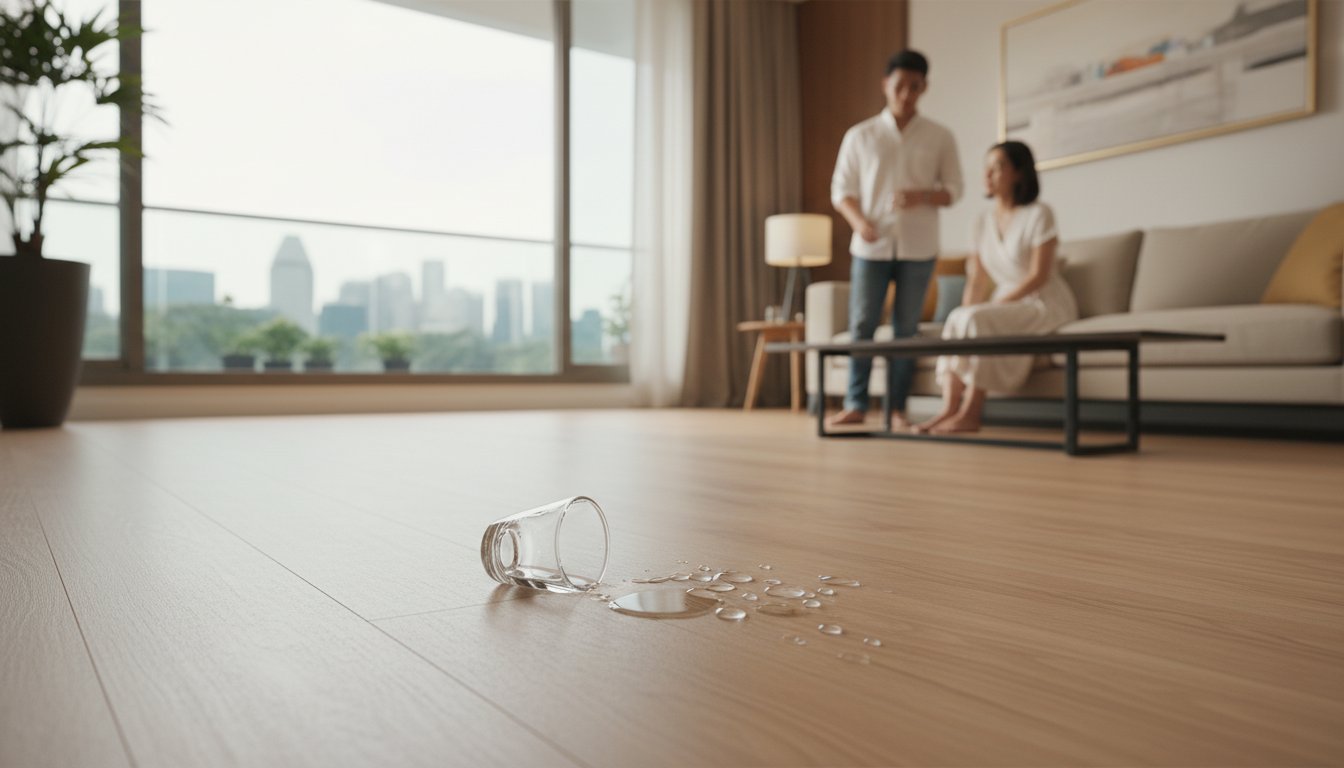
LVRF is a superior choice for high-humidity climates like Singapore and Klang, where average relative humidity levels often hover around 80%. Unlike natural wood, vinyl consists of inorganic synthetic materials. It’s naturally termite-proof because it contains zero cellulose, the primary food source for wood-boring pests. If you’re designing a kitchen or a laundry room, vinyl provides a flawless look where hardwood would typically warp or show signs of rot within 24 months. For a professional finish, use vinyl in transition zones between bathrooms and bedrooms to maintain a seamless aesthetic without risking water damage.
Sophisticated Aesthetics: Mimicking Natural Materials
Modern manufacturing utilizes embossed-in-register (EIR) technology to achieve stunning results. This process aligns the surface texture exactly with the printed wood grain, creating a tactile experience indistinguishable from real timber. You can explore various types of vinyl flooring, including elegant wood planks and timeless herringbone patterns. This technology allows for premium marble or hardwood aesthetics in areas where natural stone would be too cold or difficult to maintain. It’s a design-savvy way to achieve a high-end look with significantly less effort.
Beyond aesthetics, luxury vinyl offers a softer underfoot feel compared to ceramic tiles or natural stone. This resilience reduces leg fatigue during long periods of standing, making it an ideal choice for active kitchens. For multi-story living, the acoustic benefits are vital. High-quality LVRF options often include integrated IXPE underlays that reduce impact noise by up to 20 decibels. This creates a quieter, more peaceful environment for families. Maintenance is equally effortless; a simple damp mop routine keeps the surface pristine, fitting perfectly into a busy, sophisticated lifestyle.
- 100% Waterproof: Ideal for every room, including wet areas.
- Termite-Proof: Inorganic composition ensures total protection.
- Acoustic Comfort: Integrated underlays dampen sound effectively.
- Slip-Resistance: Enhanced surface grip for family safety.
These features ensure your home remains a sanctuary of style and durability. Discover how our premium flooring solutions can transform your home by visiting Nature Living Floor today.

The Considerations: Addressing the Challenges of Vinyl
Every sophisticated design requires a solid foundation. While evaluating the pros and cons of vinyl flooring, professionals recognize that its success depends heavily on technical preparation. Even the most elegant LVRF (Luxury Vinyl Rigid Flooring) can fail if the environment isn’t optimized for its specific physical properties. Understanding these technical requirements is the first step toward a flawless installation that lasts for decades.
The Importance of Flawless Subfloor Preparation
Vinyl is a flexible material by nature. Over time, any bump or dip in the concrete will “telegraph,” which means the imperfection mirrors itself on the surface of your floor. To ensure a premium finish, the subfloor must be level within 3mm over a 3-meter radius. Professionals use self-leveling compounds to create a perfectly flat plane before the first plank is laid. For minor inconsistencies, a high-density underlay provides the necessary support to maintain structural integrity. This expert take on vinyl flooring highlights how subfloor quality directly impacts the lifespan of your investment.
Managing Environmental Factors: Heat and Sunlight
Lower-quality vinyl often struggles with thermal expansion. In spaces with direct sun exposure, surface temperatures can exceed 45 degrees Celsius, causing traditional PVC-core planks to buckle or fade. Choosing SPC (Stone Plastic Composite) cores provides a more stable solution. The limestone-based core resists expansion 4 times better than standard PVC. Applying a UV-resistant coating during the manufacturing process serves as a professional-grade safeguard against discoloration in sun-drenched rooms.
If you’re considering installing over existing ceramic tiles, a professional assessment is mandatory. Grout lines must be filled with a specialized patch compound to prevent the vinyl from sinking into the gaps over time. While premium vinyl is incredibly resilient, it isn’t entirely scratch-proof against heavy industrial equipment. A 20-mil wear layer protects against heavy foot traffic and domestic pets, but machinery exceeding 400kg can cause surface abrasions if moved without protective padding.
Analyzing the pros and cons of vinyl flooring requires a balance between aesthetic desire and technical reality. For those seeking the perfect foundation for a modern home, visiting Nature Living Floor provides access to expert-led solutions engineered for these specific environmental challenges. By addressing subfloor and thermal requirements upfront, you transform a simple renovation into a long-lasting masterpiece.
Professional Selection Criteria: How to Spot High-End Vinyl
Choosing the perfect foundation for your home requires looking past the surface pattern. While a beautiful aesthetic is essential, the technical specifications distinguish a long-term investment from a temporary fix. When evaluating the pros and cons of vinyl flooring, professionals prioritize the engineering of the plank over the visual design alone. A stylish floor is only as good as the technology supporting it.
Decoding the Wear Layer and Core Technology
The wear layer is the most critical component for maintaining a flawless appearance. For residential luxury, 0.5mm is the professional standard. This transparent protective coating shields the floor from the daily friction of footsteps and furniture movement. Economy products often feature layers as thin as 0.15mm, which can dull or scratch within three to five years. Selecting a 0.5mm or 20-mil layer ensures your space retains its sophisticated luster for decades.
The core material dictates how the floor reacts to temperature changes and impacts. Traditional Luxury Vinyl Tile (LVT) is flexible and prone to telegraphing subfloor imperfections. In contrast, Stone Plastic Composite (SPC) provides a rigid, limestone-based center that remains stable under heavy loads. In 2026, the durability of your floor is determined by the density of its core, not the thickness of its plank.
Safety and Sustainability: Non-Toxic Certifications
Modern refinement includes a commitment to health. High-end flooring must contribute to healthy indoor air quality by maintaining low-VOC (Volatile Organic Compounds) levels. Look for the FloorScore certification, which ensures the product meets strict California Section 01350 standards for air emissions. These standards are verified by third-party labs to ensure your home remains a safe sanctuary.
Check the manufacturing details for phthalate-free labels. Many budget-grade imports still use recycled plastics that contain harmful plasticizers. Premium brands utilize 100% virgin vinyl to guarantee a non-toxic environment. It’s a small detail that makes a significant difference in the long-term wellness of your household.
Use this checklist to identify premium solutions during your next project:
- Core Composition: Prioritize SPC cores for superior dent resistance and structural integrity.
- Wear Layer Thickness: Verify a minimum of 0.5mm for high-traffic residential spaces.
- Visual Realism: Seek “Registered Embossed” textures where the grain feel matches the printed pattern perfectly.
- Health Standards: Confirm FloorScore or Greenguard Gold certifications to protect your living environment.
Understanding these pros and cons of vinyl flooring ensures you select a product that combines beauty with long-lasting performance. A smart investment today prevents costly replacements 10 years from now.
Discover our range of premium flooring solutions designed for sophisticated modern living.
Elevating Your Space with Nature Living Floor’s LVRF Solutions
Nature Living Floor stands as the premier specialist for homeowners and designers seeking high-end Luxury Vinyl Resilient Floor (LVRF) solutions. In 2026, the market offers more choices than ever, making it essential to partner with a brand that understands the nuanced pros and cons of vinyl flooring. Our curated collections are meticulously engineered to combine beauty with long-lasting performance, ensuring your floors serve as the perfect foundation for any interior vision. We don’t just provide planks; we offer a complete design ecosystem including matching PVC skirting and aluminum trims to ensure a flawless, professional finish in every corner of your home.
The Nature Living Difference: Style Meets Performance
Our 5mm LVT Click Flooring represents a significant technical upgrade over standard 2mm or 3mm options. This added thickness provides superior dimensional stability and a more substantial underfoot feel that mimics solid timber. Each plank features a 0.5mm wear layer, specifically designed to withstand the high-traffic demands of modern households while remaining 100% termite-proof and waterproof. We’ve developed two signature palettes to simplify your selection process:
- The Summer Collection: Features warm, sun-drenched tones and honeyed oak textures that create an inviting, airy atmosphere.
- The Winter Collection: Showcases sophisticated greys and cool-toned walnuts, perfect for achieving a modern, minimalist aesthetic.
Safety is a cornerstone of our product development. Our LVRF options are certified with advanced slip-resistant surfaces, providing peace of mind for families with children or elderly residents. By focusing on these high-performance specifications, we help you navigate the pros and cons of vinyl flooring by eliminating common concerns like warping, moisture damage, or surface scratches.
From Selection to Completion: Your Design Journey
Transforming your home shouldn’t involve guesswork or uncertainty. Our digital Product Visualizer tool allows you to upload a photo of your actual room and test different LVRF designs virtually in less than 60 seconds. This technology bridges the gap between imagination and reality, helping you see how different grain patterns complement your existing furniture. For those who value a tactile experience, our design experts offer professional support at our flagship locations in Singapore, Klang, and Yangon. We’ve assisted over 1,500 clients in the past year alone, guiding them from initial inspiration to final installation.
Explore our project gallery to see how these premium materials look in real-world settings. Our portfolio showcases a diverse range of successful transformations, from luxury condominiums to high-end retail spaces, proving that the right flooring choice defines the entire character of a room.
Actionable Tip: Always request a physical sample before making your final decision. Place the sample in your room and observe it at different times of the day. The way the embossed texture and wood grain interact with 10:00 AM natural sunlight versus 8:00 PM LED lighting can significantly change the visual impact of the floor.
Building Your Premium Foundation with LVRF
Choosing the right surface for your interior requires a precise balance between aesthetic appeal and technical performance. By 2026, Luxury Vinyl Resilient Flooring (LVRF) has emerged as the industry standard for sophisticated spaces, offering 100% waterproof and termite-proof properties. When you evaluate the pros and cons of vinyl flooring, prioritize solutions that feature a slip-resistant finish and a wear layer of at least 0.5mm to ensure long-term durability. It’s essential to verify that your subfloor is level within a 3mm tolerance over a 1.2-meter radius to prevent structural issues later.
Nature Living Floor serves as a specialist in these high-end LVRF solutions across Singapore, Malaysia, and Myanmar. Our designer finishes provide the perfect foundation for any modern home, combining beauty with the resilient performance your lifestyle demands. Don’t settle for standard materials when you can invest in a flawless, professional-grade finish that stands the test of time. Explore our Premium LVRF Collections and transform your space today. Your vision for an elegant, durable home is within reach.
Frequently Asked Questions
Is vinyl flooring better than laminate for a tropical climate?
Vinyl flooring is the superior choice for tropical climates because it’s 100% waterproof and won’t swell in 80% humidity. Laminate often warps when exposed to moisture, but luxury vinyl resilient flooring (LVRF) remains stable. To maximize performance, ensure your subfloor is level within 3mm over a 2 meter radius before installation.
Can I install luxury vinyl flooring over my existing ceramic tiles?
You can install luxury vinyl flooring over existing ceramic tiles if the grout lines are less than 5mm wide. If the gaps are wider, apply a self leveling compound to create a flawless foundation. This approach saves 48 hours of labor typically spent on hacking old tiles. Ensure the tiles are securely bonded to the subfloor to prevent any movement or hollow sounds later.
How long does luxury vinyl resilient flooring (LVRF) typically last?
High quality luxury vinyl resilient flooring (LVRF) typically lasts between 15 and 25 years in residential settings. Its lifespan depends on the wear layer thickness, which should be at least 0.5mm for heavy traffic areas. To extend its life, use felt pads under furniture legs. This simple step prevents deep scratches that can compromise the protective coating over a 10 year period.
Is vinyl flooring safe for homes with pets and young children?
Vinyl flooring is a safe, premium solution for families because it’s slip resistant and features low VOC emissions. Most modern LVRF products meet FloorScore certification standards, ensuring indoor air quality remains healthy for children. When weighing the pros and cons of vinyl flooring, its scratch resistance against pet claws is a major benefit. Choose a textured surface to provide better traction for senior dogs.
How do I clean and maintain my vinyl floor to keep it looking new?
Clean your vinyl floor using a pH neutral cleaner and a microfiber mop to maintain its sophisticated finish. Avoid steam mops, as temperatures exceeding 60 degrees Celsius can weaken the adhesive or core stability. For a professional result, sweep daily to remove abrasive grit. This routine prevents the 20% loss in gloss level that often occurs from neglected surface debris over five years.
Does vinyl flooring increase the resale value of my home?
Luxury vinyl flooring increases home resale value by providing a modern, durable aesthetic that appeals to 85% of contemporary homebuyers. It’s a cost effective way to achieve the look of real hardwood without the high maintenance. Real estate data shows that updated, waterproof flooring can speed up a home sale by 15 days. It creates an elegant first impression that suggests the property is well maintained.
Is vinyl flooring completely termite-proof?
Vinyl flooring is 100% termite proof because it’s composed of synthetic PVC and stone powder rather than organic wood fibers. While termites can’t eat the floor itself, they can still travel underneath it if your subfloor is compromised. Treat your baseboards and subfloor with a professional termiticide before installation. This proactive step ensures your stylish investment remains protected for its entire 20 year lifespan.
What is the difference between SPC and LVP flooring?
The main difference lies in the core construction; SPC uses a rigid stone plastic composite, while LVP uses a more flexible PVC core. SPC is 20% more dent resistant, making it ideal for commercial spaces or heavy furniture. When researching the pros and cons of vinyl flooring, consider that LVP feels softer underfoot. Use SPC in rooms with direct sunlight to prevent expansion in temperatures reaching 35 degrees Celsius.
Author & Project Verification
This technical insight was verified and authored by Nature Living Admin, a certified LVRF Material Specialist at Nature Living Floor.
Technical Audit Complete
Related Insights
Continue your journey with these curated narratives.