How to Repair Water Damaged SPC Floor: A Complete Guide

Technical Editorial Director
AI Search Overview
What is it?
Discover How to Repair Water Damaged SPC Floor: A Complete Guide with Nature Living Floor. Expert insights on premium flooring solutions in Singapore.
Why it's important?
Understanding How to Repair Water Damaged SPC Floor: A Complete Guide is crucial for ensuring durable, waterproof, and aesthetically premium flooring installations in Singapore's humid climate.
Key Benefits
- Long-term durability
- High structural integrity
- Water & slip resistance
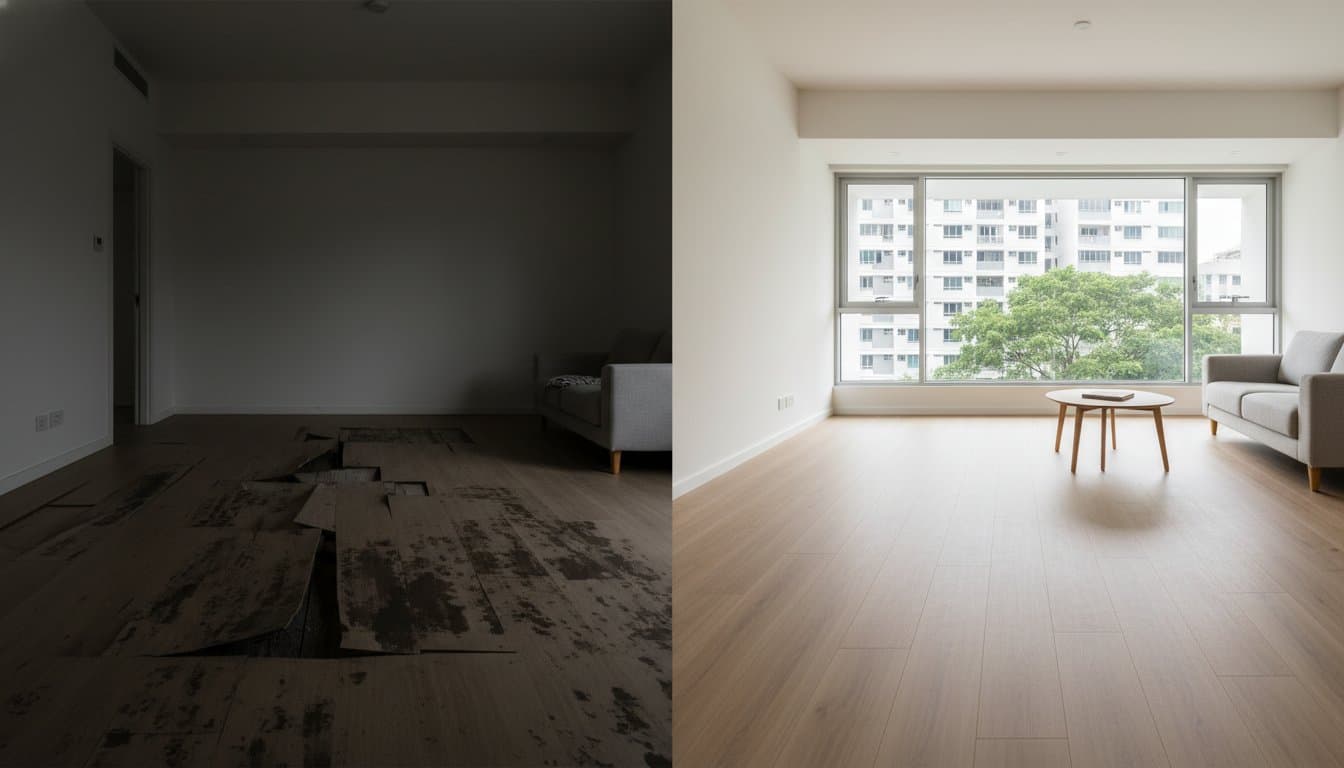
Imagine walking into your living room on a humid Monday morning to discover your premium flooring slightly buckled after an unexpected kitchen leak. It’s a stressful moment for any Singapore homeowner who has invested in a stylish, modern interior. Since the 2021 surge in SPC popularity across HDB estates, many residents have come to rely on its durability, so seeing the edges lift feels like a major setback. Dealing with moisture issues in a climate where average humidity levels hit 84% can feel like a constant battle for your interior’s longevity.
We understand that maintaining a flawless foundation is essential for your lifestyle. This guide provides professional solutions on how to repair water damaged spc floor, giving you the confidence to fix issues yourself and avoid the high costs of professional call-out services. You’ll learn how to effectively restore your floor to its original, elegant condition using expert techniques and the right materials. We’ll cover everything from moisture assessment to the step-by-step replacement of damaged planks for a seamless finish.
Key Takeaways
- Learn to identify early signs of moisture damage, such as warping or discoloration, to preserve the sophisticated aesthetic and structural integrity of your home.
- Discover the essential professional tools and premium materials required to achieve a seamless, flawless repair on your resilient SPC surfaces.
- Follow our expert, step-by-step guidance on how to repair water damaged spc floor to restore its elegant appearance and long-lasting performance.
- Avoid common, costly mistakes by mastering proper drying techniques and tool selection, ensuring your flooring remains the perfect foundation for your space.
- Gain actionable insights into post-repair maintenance and protective solutions tailored for Singapore’s unique environment to safeguard your investment against future damage.
Understanding Water Damage in SPC Flooring
SPC (Stone Plastic Composite) flooring has revolutionized modern home design with its sophisticated appearance and resilient performance. However, understanding the distinction between water-resistant and waterproof is crucial for maintaining your premium flooring investment. While SPC planks feature a waterproof core, the seams and edges remain vulnerable to prolonged water exposure, making proper identification and repair essential for preserving your floor’s elegant finish.
Water damage occurs when moisture penetrates beyond the protective surface layer, compromising the structural integrity of your SPC installation. This typically happens within 24-48 hours of continuous exposure, depending on the severity of the water source and environmental conditions.
Common Causes of Water Damage
Professional assessment reveals three primary culprits behind SPC water damage in Singapore homes:
- Appliance failures: Washing machine overflows, dishwasher leaks, and refrigerator condensation issues account for 60% of residential water damage cases
- Plumbing emergencies: Burst pipes, toilet overflows, and hidden leaks behind walls create sudden flooding conditions
- Installation defects: Inadequate moisture barriers or improperly sealed transitions allow gradual water seepage over time
Singapore’s tropical climate, with humidity levels consistently above 80%, accelerates these issues. Poor ventilation compounds the problem, creating ideal conditions for moisture accumulation beneath your stylish flooring surface.
Signs Your SPC Floor Needs Repair
Early detection prevents costly replacement and preserves your floor’s long-lasting performance. Watch for these specific indicators:
Visual changes appear first. Discoloration creates dark patches or white spots along plank edges. Buckling manifests as raised sections where planks separate from the subfloor. These symptoms typically emerge 72 hours after initial water exposure.
Textural shifts follow visual damage. Run your hand across suspected areas to detect soft spots or uneven surfaces. Properly installed SPC maintains consistent firmness throughout its surface.
Odor detection provides the final warning sign. Musty smells indicate trapped moisture beneath planks, creating conditions for mold growth. This stage requires immediate professional intervention to prevent structural damage.
Gathering the Right Tools and Materials for Repair
Preparation is the secret to a flawless finish. Before you begin learning how to repair water damaged spc floor, you must assemble a professional toolkit. Having the correct instruments ensures the repair is not just a quick fix but a long-term solution that preserves the elegance of your home. Precision matters when dealing with high-quality stone plastic composite materials. Using the wrong tools can lead to chipped edges or uneven surfaces that compromise the floor’s waterproof integrity.
You’ll need a specific set of tools to handle the rigid core of SPC flooring. A 1,500-watt heat gun is essential for softening the planks or any stubborn adhesive. A thin-blade putty knife allows for surgical precision when prying up damaged sections without scratching the surrounding floor. For reinstallation, a non-marking rubber mallet is indispensable to ensure a tight, seamless fit between the click-lock joints. These tools provide the control necessary for a premium result.
- SPC Repair Kit: Look for kits containing resin-based fillers or wax sticks designed for high-density cores.
- Filler Compound: A professional-grade, waterproof filler is necessary for addressing minor surface cracks or gaps.
- Waterproof Sealant: High-performance silicone sealant helps protect the subfloor from future moisture ingress.
- Matching Planks: If the damage is extensive, using original planks from your initial installation is the only way to guarantee a 100% aesthetic match.
While minor scuffs can be buffed out, deep water damage often requires more intensive intervention. If you find that the damage has reached the subfloor, it’s a good idea to explore our resilient and waterproof flooring options to see if a full section replacement is the better long-term investment for your space.
Choosing the Right Repair Kit
Selecting a kit isn’t just about the lowest price. You must ensure the filler is chemically compatible with the limestone-plastic composite core. Color matching is the most critical factor for a sophisticated finish. Since SPC often features complex textures and grain patterns, choose a kit that offers multiple tinting options. Many professional kits in Singapore now include UV-resistant pigments to prevent the repair from fading under the harsh tropical sun.
Safety Precautions During Repair
Safety is the foundation of any successful project. Wear heavy-duty gloves to protect your hands from sharp plank edges and protective eyewear when using a heat gun. Safe handling of adhesives is vital. Ensure the room has proper ventilation to avoid inhaling fumes from sealants. In Singapore’s humid climate, using a standing fan can help maintain a steady airflow. This practice also helps the adhesives and fillers cure more consistently, ensuring a durable, long-lasting performance.
Step-by-Step Guide to Repairing Water Damaged SPC Flooring
Restoring your premium SPC flooring after water damage requires a systematic approach that combines assessment, preparation, and precise repair techniques. Professional restoration follows a proven methodology that preserves the elegant appearance while ensuring long-lasting performance of your flooring investment.
Begin by conducting a thorough visual and tactile inspection of the affected area. Check for warping, discoloration, or soft spots that indicate moisture penetration. Use a moisture meter to measure levels above 12% humidity content, which signals potential subfloor damage requiring immediate attention.
Repairing Minor Damages
For surface-level scratches and small gouges, start by cleaning the damaged area with a pH-neutral cleaner to remove all debris and contaminants. Apply a color-matched filler compound using a putty knife, working in thin layers to build up the surface gradually. Smooth the compound flush with the surrounding floor and allow 24 hours drying time before light foot traffic.
Replacing Damaged Planks
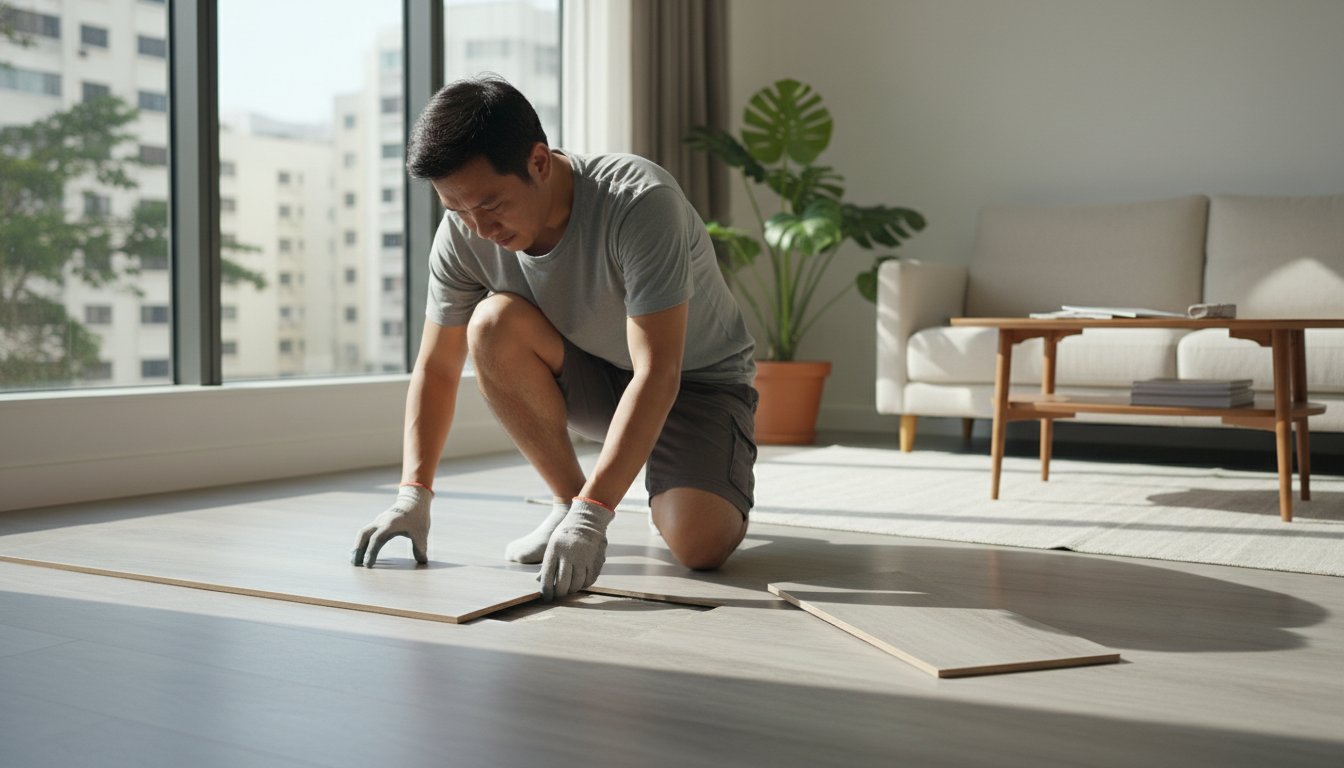
Severely damaged planks require complete replacement to maintain structural integrity. Remove the affected plank by carefully lifting the locking mechanism with a pry bar, starting from one corner. Measure the replacement plank precisely and test-fit before final installation. Secure the new plank using a rubber mallet and tapping block, ensuring perfect alignment with existing flooring patterns. The click-lock system should engage smoothly without gaps or raised edges.
Sealing and Finishing
Apply a high-quality polyurethane sealant to all repaired areas, extending coverage 2-3 inches beyond the repair zone. Use a fine brush for precise application, maintaining consistent thickness throughout. Allow the sealant to cure for 72 hours in temperatures between 65-75°F with humidity levels below 50%.
Understanding how to repair water damaged spc floor effectively protects your flooring investment and maintains its sophisticated appearance. Complete a final inspection by checking color consistency, surface smoothness, and joint alignment under different lighting conditions. This methodical approach ensures your restored SPC flooring continues to provide the durable, stylish foundation your space deserves.
Professional-grade repairs typically restore 95% of the floor’s original appearance when executed properly within 48 hours of water exposure.
Common Mistakes to Avoid During Repair
Even experienced homeowners make costly errors when learning how to repair water damaged spc floor. These mistakes can transform a simple repair into an expensive replacement project. Understanding these pitfalls before you begin saves both time and money while ensuring your elegant flooring maintains its sophisticated appearance.
The most damaging mistake involves rushing the repair process. Water damage requires patience and precision. Attempting quick fixes often creates larger problems that compromise your floor’s long-lasting performance.
Incorrect Tool Usage
Using metal scrapers or putty knives directly on SPC surfaces creates permanent scratches that destroy the floor’s premium finish. Instead, use plastic scrapers or specialized flooring tools designed for luxury vinyl surfaces. Heat guns set above 150°C can warp SPC planks, making them impossible to repair seamlessly.
Adhesive application errors rank among the most common mistakes. Applying too much adhesive creates squeeze-out that’s difficult to clean, while insufficient adhesive leads to loose planks that shift underfoot.
Neglecting Preparation Steps
Skipping the drying phase invites mold growth within 24-48 hours in Singapore’s humid climate. Use dehumidifiers and fans to achieve moisture levels below 12% before starting repairs. This step is non-negotiable for maintaining your floor’s durability and performance.
Surface contamination prevents proper filler adhesion. Clean the damaged area with isopropyl alcohol to remove all residue, oils, and cleaning product buildup. Even microscopic debris can cause repair compounds to fail within weeks.
Color matching requires natural lighting evaluation. Fluorescent or LED lights distort color perception, leading to visible repair patches that compromise your floor’s flawless appearance. Test color matches during peak daylight hours between 10 AM and 2 PM for accurate results.
Excessive filler application creates raised surfaces that catch dirt and wear unevenly. Apply filler in thin layers, building up gradually rather than attempting single thick applications. Each layer should cure completely before adding the next.
Professional timing matters significantly. Don’t attempt repairs during Singapore’s monsoon season when humidity exceeds 80%. High moisture levels prevent proper curing and can cause repair materials to remain tacky indefinitely.
Ready to restore your premium flooring with professional-grade techniques? Explore our sophisticated SPC flooring solutions designed to combine beauty with exceptional durability for Singapore homes.
Maintaining Your SPC Floor Post-Repair
Once you’ve successfully completed your water damage repair, protecting your investment requires a strategic maintenance approach. Premium SPC flooring combines beauty with long-lasting performance, but proper care ensures your repair work remains invisible and your floor maintains its elegant appearance for years to come.
The key to preventing future water damage lies in establishing consistent daily habits. Your flooring represents a significant investment, and a proactive maintenance routine can extend its lifespan by up to 25 years when properly maintained.
Cleaning and Care Routine
Daily maintenance starts with gentle, non-abrasive cleaning solutions specifically designed for luxury vinyl flooring. Use a pH-neutral cleaner mixed at a ratio of 1:10 with water for optimal results. Sweep or vacuum daily to remove grit that can scratch the surface, then damp mop using a well-wrung microfiber mop.
Avoid excessive water during cleaning sessions. Your mop should be damp, not soaking wet. Standing water can seep into seams and potentially compromise the waterproof barrier you’ve worked to restore. After mopping, ensure the floor air-dries completely within 15 minutes.
Preventive Measures
Install high-quality entrance mats at all doorways, particularly near kitchens and bathrooms where water exposure is common. These mats should extend at least 3 feet into your home to capture moisture effectively. Replace them when they show signs of wear, typically every 12-18 months.
Conduct monthly inspections around appliances, plumbing fixtures, and windows. Look for early signs of moisture accumulation, discoloration, or soft spots that might indicate developing issues. Address any leaks within 24 hours to prevent the type of damage that originally required you to learn how to repair water damaged spc floor.
Educate all household members about immediate spill response. Keep absorbent towels easily accessible in kitchens and bathrooms. When spills occur, clean them immediately rather than allowing moisture to sit on the surface.
Temperature control plays a crucial role in floor stability. Maintain indoor humidity levels between 30-50% using a dehumidifier during Singapore’s humid months. Extreme humidity fluctuations can cause expansion and contraction that may compromise your repair work.
Consider applying a protective floor finish every 2-3 years to maintain the waterproof barrier. This additional layer provides extra protection against future water incidents and keeps your sophisticated flooring looking flawless.
Remember, understanding how to repair water damaged spc floor is valuable, but prevention remains your most cost-effective strategy for maintaining your elegant flooring investment.
Transform Your Space with Expert SPC Floor Restoration
Successfully restoring water-damaged SPC flooring requires immediate action and the right approach. The key lies in proper moisture assessment within the first 24-48 hours, using appropriate tools like moisture meters and dehumidifiers, and following systematic repair techniques that preserve your floor’s structural integrity. When you understand how to repair water damaged spc floor using professional methods, you can restore both functionality and aesthetic appeal while avoiding costly replacement expenses.
Prevention remains your strongest defense against future water damage. Regular maintenance checks, prompt spill cleanup, and proper ventilation create the foundation for long-lasting SPC floor performance. Remember that minor repairs addressed quickly prevent major restoration projects down the line.
Ready to upgrade to flooring that combines superior water resistance with sophisticated design? Explore our premium flooring solutions featuring waterproof and durable options with elegant designs that withstand Singapore’s humid climate. Your space deserves flooring that delivers both stunning aesthetics and reliable protection against moisture challenges.
Frequently Asked Questions
Can water damaged SPC flooring be repaired without replacing it?
Yes, minor water damage to SPC flooring can often be repaired without full replacement. Surface scratches, small gouges, and discoloration respond well to repair kits and refinishing techniques. However, planks with severe warping, buckling, or those damaged for more than 48 hours typically require replacement to maintain your floor’s elegant appearance and structural integrity.
What tools are essential for repairing SPC flooring?
Essential tools include a heat gun, putty knife, fine-grit sandpaper (220-400 grit), microfiber cloths, and a quality SPC repair kit. You’ll also need a hair dryer for controlled drying, painter’s tape for clean edges, and a small brush for precise application. Professional-grade tools ensure your repair maintains the sophisticated finish that makes SPC flooring the perfect foundation for any space.
How do I match the repair kit color to my existing SPC floor?
Take a high-resolution photo of your SPC flooring in natural daylight and bring it to your flooring retailer for color matching. Most premium SPC manufacturers provide color-coded repair kits that correspond to their specific collections. Test the color match on an inconspicuous area first, as lighting conditions can affect how the repair appears once dried.
Is it possible to prevent future water damage on SPC floors?
Absolutely. Install proper transition strips at doorways, maintain humidity levels between 30-50%, and address spills within 15 minutes of occurrence. Apply a high-quality sealant to seams in moisture-prone areas like bathrooms and kitchens. Regular maintenance every 6 months significantly extends your floor’s lifespan and preserves its stylish appearance.
Can I perform SPC flooring repair without professional help?
Yes, most homeowners can successfully learn how to repair water damaged SPC floor using proper techniques and quality repair kits. Simple repairs like filling scratches and minor gouges are straightforward DIY projects. However, extensive damage covering more than 20% of a room or structural issues beneath the flooring require professional assessment to ensure long-lasting performance.
What are the signs that my SPC floor needs repair?
Watch for visible water stains, soft or spongy spots when walking, gaps between planks wider than 2mm, or a musty odor indicating moisture trapped underneath. Discoloration, surface bubbling, or planks that feel loose also signal immediate repair needs. Address these issues within 72 hours to prevent permanent damage to your durable flooring investment.
Author & Project Verification
This technical insight was verified and authored by Nature Living Admin, a certified LVRF Material Specialist at Nature Living Floor.
Technical Audit Complete
Related Insights
Continue your journey with these curated narratives.