Outdoor Decking Alternatives for 2026: The Ultimate Guide to Sophisticated, Low-Maintenance Spaces

Technical Editorial Director
AI Search Overview
What is it?
Discover Outdoor Decking Alternatives for 2026: The Ultimate Guide to Sophisticated, Low-Maintenance Spaces with Nature Living Floor. Expert insights on premium flooring solutions in Singapore.
Why it's important?
Understanding Outdoor Decking Alternatives for 2026: The Ultimate Guide to Sophisticated, Low-Maintenance Spaces is crucial for ensuring durable, waterproof, and aesthetically premium flooring installations in Singapore's humid climate.
Key Benefits
- Long-term durability
- High structural integrity
- Water & slip resistance
What if you could enjoy a flawlessly elegant balcony without picking up a sanding machine or a tin of oil for the next 15 years? In Singapore, where the equatorial sun and heavy tropical humidity can warp traditional timber in as little as 24 months, finding a premium outdoor decking alternative is no longer just a design choice; it’s a smart financial investment. You likely chose a landed property or a high-floor condo to enjoy the view, not to spend your weekends worrying about termite infestations or painful splinters in your children’s feet.
We agree that your home deserves a foundation that matches your lifestyle without demanding constant labor. This guide promises to reveal the most durable and stylish materials curated specifically for the unique demands of our local climate, ensuring your outdoor space remains a stunning masterpiece through 2026 and beyond. We will explore high-performance composites and mineral-based solutions that offer a maintenance-free lifestyle while potentially adding 5% to 7% to your property’s resale value. From heat-resistant surfaces to flawless wood-grain textures, you’ll discover how to create a sophisticated sanctuary that lasts.
Key Takeaways
- Understand why sophisticated homeowners are transitioning from traditional timber to high-performance materials designed for the demanding Southeast Asian climate.
- Evaluate the unique benefits of Stone, PVC, and WPC to identify the most resilient and stylish outdoor decking alternative for your lifestyle.
- Uncover the ‘best of both worlds’ advantages of WPC, blending the elegant warmth of wood with the maintenance-free performance of recycled polymers.
- Master the technical considerations for Singaporean homes, including weight-sensitive solutions for high-rise balconies and durable foundations for garden spaces.
- Discover how to transform your outdoor area into a stunning masterpiece that serves as the perfect foundation for a premium lifestyle.
Why Traditional Timber is Losing Ground in 2026
The definition of a modern outdoor decking alternative has evolved far beyond simple plastic imitations. Today, it refers to high-performance, engineered materials designed to replicate the organic warmth of wood while completely bypassing its biological vulnerabilities. These solutions, such as Wood-plastic composites (WPCs) and advanced mineral-core boards, provide the perfect foundation for any space. In 2026, the market has reached a tipping point. Homeowners no longer accept the inevitable decay of natural logs, choosing instead materials that combine beauty with long-lasting performance.
Environmental impact is a primary driver for this shift. Sustainable-conscious homeowners are moving away from rare tropical hardwoods like Burmese Teak and Chengal. Logging restrictions across Southeast Asia have caused prices for these materials to surge by 22% since 2023. Choosing a premium outdoor decking alternative isn’t just a style choice; it’s a commitment to protecting old-growth forests. Modern composites often utilize recycled fibers, turning potential waste into a sophisticated architectural feature for the home.
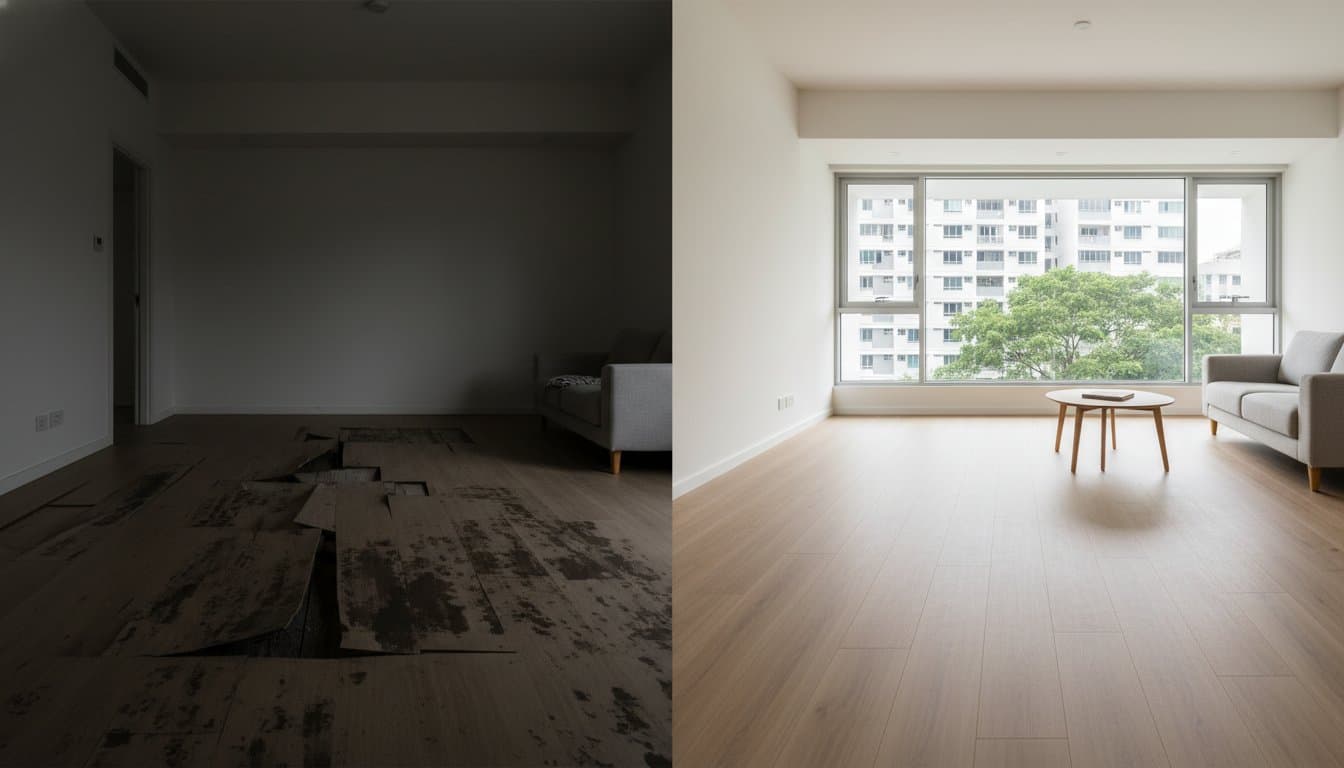
Many owners fall into the ‘Maintenance Trap’ when choosing traditional timber. They underestimate the hidden costs required to keep wood functional. A standard 250-square-foot timber deck in Singapore requires professional sanding and re-oiling every 12 to 14 months to prevent structural cracking. This service typically costs between S$450 and S$650 per session. Over a 5-year period, a homeowner will spend over S$2,200 on basic upkeep alone. This doesn’t account for the inevitable replacement of warped boards or the stress of managing contractors. High-performance alternatives eliminate these recurring expenses entirely.
Safety remains a critical concern that traditional wood cannot resolve. Natural timber is porous; it absorbs moisture and creates a breeding ground for green algae. During Singapore’s monsoon seasons, these surfaces become dangerously slick. By the third year of exposure, micro-cracks in the wood often produce sharp splinters. These hazards make it impossible to enjoy the space barefoot. Resilient alternatives are engineered with non-slip textures and splinter-free surfaces, ensuring the deck remains a safe, elegant sanctuary for the whole family.
The Tropical Climate Challenge in Southeast Asia
Singapore’s relentless humidity, which fluctuates between 84% and 96%, is a death sentence for standard timber. This moisture saturates wood fibers, causing them to expand and contract until the boards warp or rot. In landed properties across Districts 10 and 11, subterranean termites are a constant threat; they can hollow out a Balau joist in less than nine months. Additionally, the equatorial UV index often hits 12 during midday. This intense radiation bleaches the natural oils out of wood, turning vibrant brown planks into a dull, weathered grey in just 180 days.
The Shift Toward Resilient Foundations
The 2026 design landscape is defined by the ‘Nature Living’ philosophy. This approach views the floor as the essential starting point for any interior or exterior masterpiece. Current trends favor a seamless transition where the indoor living area flows into the balcony without a break in texture or height. Achieving this requires the dimensional stability of composite materials. This year, ‘Quiet Luxury’ has become the standard for premium outdoor spaces. It’s characterized by uniform, flawless surfaces that maintain their sophisticated aesthetic without the chaotic patchwork of repairs common in aging wood decks.
A Comprehensive Comparison of Outdoor Decking Alternatives
Selecting the right outdoor decking alternative involves balancing visual appeal with the harsh realities of Singapore’s tropical climate. High humidity levels and intense UV exposure mean that traditional timber often fails within 5 to 7 years without constant oiling. Modern solutions offer a way to achieve that premium look while ensuring your balcony or patio remains a low-maintenance sanctuary. We track four primary contenders: Natural Stone, Concrete, PVC, and Wood Plastic Composite (WPC). Each material brings a unique aesthetic to your home, from the raw texture of granite to the sleek, modern finish of high-grade polymers.
Durability is the cornerstone of a smart investment. In a city that sees an average of 167 rainy days a year, your deck must withstand constant moisture without warping or rotting. High-end mineral and synthetic materials now offer lifespans exceeding 20 years. While the initial cost might be higher than low-grade timber, the lack of annual sanding, staining, and sealing creates significant long-term savings. You’ll likely save between S$1,500 and S$3,000 in maintenance costs over a decade by choosing a resilient, modern material.
Natural Stone and Porcelain Pavers
Limestone, slate, and granite remain the gold standard for high-end patio solutions. These materials offer an organic elegance that’s difficult to replicate perfectly with synthetics. Porcelain pavers, specifically those with a 20mm thickness, are trending in Singapore due to their 0.5% water absorption rate. This makes them virtually immune to the algae growth common in our humid environment. They’re incredibly heat resistant; they won’t burn your feet even at 2:00 PM in the afternoon heat. However, stone is heavy. A standard installation can weigh over 45kg per square meter. This weight factor makes them a complex choice for high-rise balcony projects where floor load limits are strictly regulated by Building and Construction Authority (BCA) guidelines.
Concrete and Poured Surfaces
Stamped concrete is a versatile option for homeowners seeking a textured look on a tighter budget. It can mimic the appearance of cobblestone or wood planks for roughly S$12 to S$18 per square foot. For urban lofts and minimalist penthouses, polished concrete provides a sophisticated, modern industrial aesthetic that feels both cool and spacious. It’s a durable foundation, but it isn’t without flaws. Concrete retains significant heat in direct sunlight, often reaching temperatures above 50°C. There’s also the inevitable risk of hairline cracks as the ground shifts or the building settles. These cracks don’t always compromise structural integrity, but they can disrupt the flawless finish of a premium design.
PVC and Plastic Decking
100% polymer solutions represent the ultimate in moisture resistance. Because they contain zero organic wood fibers, they can’t rot or host mold. This makes them ideal for pool surrounds or areas with poor drainage. You should consider the thermal expansion of these materials in a tropical context. In Singapore’s 32°C average temperatures, pure plastic boards can expand up to 2% in length, which requires precise gapping during installation to prevent buckling. While functional, some pure plastic options fail the sophistication test; they can look overly “waxy” or artificial compared to mineral-based alternatives. If you’re looking for a balance of beauty and performance, you might want to explore our premium flooring solutions that bridge the gap between aesthetics and durability.
Comparison Summary:
- Porcelain: Best for luxury and heat resistance; S$25-S$45 per sqft.
- Concrete: Best for industrial aesthetics and budget; S$12-S$20 per sqft.
- PVC: Best for total waterproof performance; S$18-S$30 per sqft.
- WPC: Best for a realistic wood feel with low maintenance; S$20-S$35 per sqft.

The WPC Revolution: Why Composite is the Superior Choice for 2026
Wood Plastic Composite (WPC) represents a significant shift in how we design modern balconies and patios. This material is a precision-engineered blend consisting of 60% recycled wood fibers, 30% high-density polyethylene (HDPE), and 10% bonding agents and pigments. By fusing these elements under high pressure, manufacturers create a product that mimics the organic beauty of timber while possessing the structural integrity of industrial polymers. It’s the ultimate outdoor decking alternative for homeowners who refuse to compromise on aesthetics or longevity.
Choosing WPC offers you the best of both worlds. You get the inviting warmth and tactile grain of natural wood without the constant anxiety of maintenance. In Singapore’s tropical environment, traditional timber often requires sanding and oiling every 12 months to prevent a weathered, grey appearance. Modern composites eliminate this chore. They don’t splinter, crack, or leach tannins, making them a safer, more sophisticated foundation for barefoot living. You’re investing in a flawless look that remains consistent from the day of installation through years of heavy use.
Protection against local pests is another critical advantage. Termite infestations in Singapore can cost homeowners between S$500 and S$3,000 in localized treatments and structural repairs. Because WPC is primarily composed of inorganic polymers and processed fibers, it’s effectively invisible to termites and carpenter ants. These pests cannot digest the material, ensuring your deck remains structurally sound without the need for toxic chemical sprays. This “built-in” pest resistance is a primary reason why 85% of new condominium developments now specify composite materials over raw timber.
Color fading used to be a concern for early composite adopters, but 2026 technology has solved this. Current premium collections utilize advanced UV-stabilized capping. This protective outer shell acts like a high-SPF shield, reflecting harsh solar radiation. Data shows that high-quality WPC now maintains 95% of its original hue even after 3,500 hours of direct tropical sun exposure. Your deck stays vibrant and rich, preserving the premium feel of your home for decades.
WPC vs. Traditional Timber: A Technical Breakdown
Technical performance is where WPC truly outshines wood. Traditional timber has a water absorption rate of 20% to 30%, which leads to swelling and warping. In contrast, premium WPC maintains an absorption rate of less than 1%, ensuring it stays perfectly flat after a heavy monsoon downpour. Safety is also enhanced through R11-rated slip resistance, providing a secure grip even on wet surfaces. Nature Living Floor WPC solutions typically last 15 to 25 years in Singapore’s high-humidity zones, whereas untreated Merbau often begins to rot or decay within 7 to 10 years.
Eco-Friendly and Sustainable Aspects
Sustainability is at the heart of the WPC revolution. By utilizing up to 95% recycled materials, including reclaimed wood sawdust and recycled plastic bottles, this outdoor decking alternative prevents thousands of tons of waste from entering landfills annually. It reduces the carbon footprint of your home renovation by eliminating the need for virgin timber harvesting. Nature Living Floor selects only the highest grade of sustainable materials, ensuring our collections meet rigorous environmental standards while delivering a stylish, long-lasting performance for the eco-conscious homeowner.
Selecting the Right Alternative for Your Specific Space
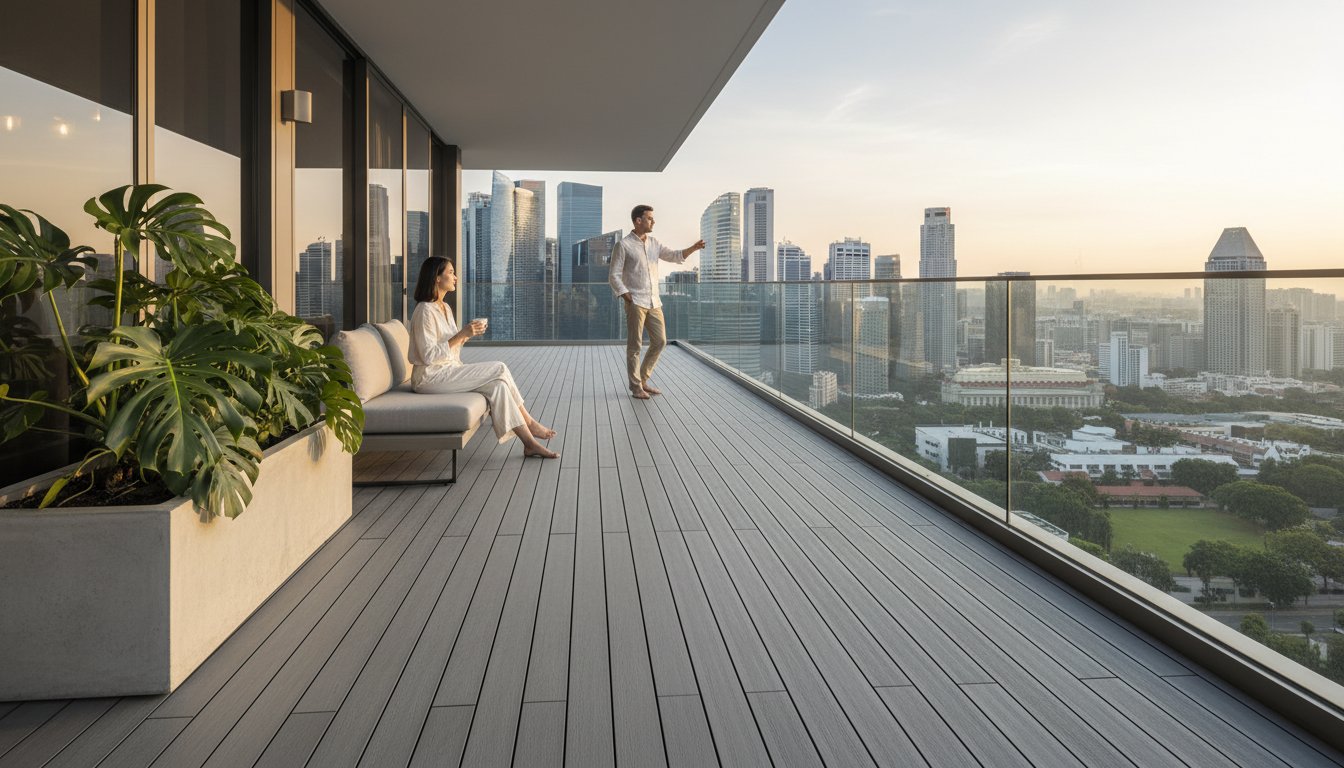
Choosing an outdoor decking alternative isn’t just about selecting a pretty color. It’s about engineering a solution that fits your property’s structural reality. In Singapore, where 80% of the population lives in high-rise apartments, weight is a primary concern. Structural engineers typically set balcony load limits between 1.5kN/m² and 2.5kN/m². Heavy natural timber or thick stone pavers can quickly approach these limits when you factor in heavy planters and outdoor furniture. Lightweight composite or hybrid solutions provide the premium aesthetic you desire without the structural risk, making them the ideal choice for modern urban dwellers in Singapore and Yangon.
The sub-base of your area dictates your material choice. Ground-level gardens often sit on soil or uneven grass, requiring a sturdy timber or aluminum frame for support. Balconies, however, feature a pre-existing concrete slab. This flat surface allows for thinner, more versatile materials. Whether you’re in a Singapore penthouse or a luxury condo, understanding your floor’s foundation ensures a stable, rattle-free walking surface for years to come. Selecting a stylish outdoor decking alternative allows you to bridge the gap between your living room and the sky while ensuring your building’s integrity remains intact.
The Balcony Decking Checklist
Balconies require a specific technical approach to ensure long-lasting performance. You must consider these three critical factors before installation:
- Drainage: Ensure water flows freely toward the floor trap. Stagnant water is a safety hazard and a breeding ground for pests.
- Height Clearance: Your new surface shouldn’t interfere with sliding door tracks, which typically sit 25mm to 40mm above the slab.
- Accessibility: A flush transition between indoors and outdoors creates a safer environment for children and the elderly.
To find a low-profile option that fits these constraints perfectly, explore Balcony Decking Solutions: Can You Use LVRF? for a seamless result.
Aesthetic Integration: Creating a ‘Stunning Masterpiece’
True elegance comes from visual continuity. You can make your home feel twice as large by matching your interior flooring with your outdoor deck. Our Summer Collection offers warm, golden oak tones that evoke a tropical resort feel. If you prefer a sophisticated, modern look, the Winter Collection features muted greys and charcoals. To complete the 360-degree transformation, consider adding fluted wall panels. These panels hide unsightly pipes and create a textured backdrop that complements your floor. Use our interactive Visualizer tool to upload a photo of your balcony and preview these combinations instantly. This allows you to see how your chosen outdoor decking alternative interacts with your existing furniture.
Don’t overlook the importance of professional finishing accessories. Matching skirting and L-shape trims are essential for a flawless result. These components hide raw edges and expansion gaps, providing a polished look that separates DIY projects from professional installations. In Singapore’s humid environment, these trims also act as a shield, protecting the edges of your deck from moisture and debris. They turn a simple floor into a durable, sophisticated foundation for your lifestyle.
The Nature Living Approach: Premium Outdoor Foundations
Nature Living Floor views your balcony or patio as the essential starting point for a refined lifestyle. Choosing the right outdoor decking alternative is a decision that impacts your home’s value and your daily comfort. We don’t just sell planks; we provide the perfect foundation for any space. Our Luxury Vinyl Resilient Floor (LVRF) and Wood Plastic Composite (WPC) solutions are specifically curated for the Singaporean climate. While traditional timber often fails under 100% humidity and intense UV exposure, our materials remain stable and vibrant year after year.
The Nature Living Floor promise is simple. We combine beauty with long-lasting performance. This means you get the sophisticated look of natural oak or teak without the S$500 to S$800 annual maintenance costs typically associated with sanding and revarnishing wood. Our materials are engineered to be resilient, waterproof, and slip-resistant. They provide a safe surface for children and elderly family members even after a heavy tropical downpour. We believe a premium floor should look as flawless in year five as it did on day one.
Technical specifications can be complex, but you don’t have to navigate them alone. Our design-savvy advisors act as your trusted partners. They help you decode wear layer thicknesses and expansion coefficients to ensure your selection matches your specific floor plan and sun exposure. Beyond the planks, we focus on the secret to a professional finish: accessories. We provide matching edge trims and sophisticated transition solutions that eliminate unsightly gaps. These small details transform a standard installation into a stunning masterpiece that looks integrated into your home’s architecture.
Our Curated Collections for 2026
Our upcoming 2026 ranges prioritize maximum durability for high-traffic residential zones. These collections are 100% waterproof and termite-proof, addressing the two biggest threats to Singaporean outdoor spaces. Modern homeowners value efficiency; our easy installation systems reduce project timelines by up to 25% compared to traditional decking methods. To understand the science behind these resilient surfaces, read The Guide to Luxury Vinyl Resilient Flooring for an in-depth look at our material technology and why it’s the superior outdoor decking alternative for contemporary homes.
Start Your Project Journey
Texture is a vital part of the luxury experience. We encourage you to request physical samples so you can feel the premium, non-slip embossing of our materials. Seeing the colors in your own home’s natural light is the best way to ensure a perfect match for your aesthetic. You can also browse our project gallery to see successful installations across Singapore, Klang, and Yangon. These real-world examples showcase how our flooring solutions stand up to diverse tropical environments. Discover our premium flooring solutions and start your project today to elevate your outdoor living experience.
Build Your Future-Proof Outdoor Sanctuary Today
Traditional timber is rapidly becoming a relic of the past as Singapore homeowners face maintenance bills exceeding S$1,800 for periodic sanding and varnishing. By 2026, the shift toward a high-performance outdoor decking alternative is inevitable for those seeking a flawless aesthetic without the constant upkeep. Modern WPC solutions offer a 95% recycled material composition while resisting the 100% humidity levels common in our tropical climate. These materials don’t warp or splinter, and they eliminate the S$2,000 damage costs often associated with termite infestations in older wooden decks.
Nature Living Floor serves as your design-savvy expert advisor, offering curated collections specifically engineered for modern Southeast Asian living. Our premium solutions are 100% waterproof and termite-proof, ensuring your investment remains as stunning as the day it was installed. Whether you’re refreshing a compact balcony or a sprawling patio, we provide the perfect foundation for your lifestyle. Our team helps you select from high-durability ranges that withstand 30 degree Celsius heat daily while maintaining a sophisticated finish.
Explore our premium outdoor solutions and transform your space. It’s time to create a lasting masterpiece you can actually enjoy.
Frequently Asked Questions
What is the longest-lasting alternative to wood decking?
PVC decking is the longest-lasting outdoor decking alternative, often featuring manufacturer warranties of 30 to 50 years. These premium solutions resist moisture and rot entirely because they contain zero organic wood fibers. You’ll enjoy a flawless finish that survives Singapore’s tropical humidity without the warping seen in natural timber. It’s the ultimate investment for a sophisticated, permanent outdoor space.
Is composite decking hotter than natural wood in the sun?
Modern composite decking can retain more heat than wood, typically reaching temperatures 5 to 8 degrees Celsius higher in direct 1pm sunlight. However, our premium collections use heat-reflective technology to mitigate this effect. Choosing lighter shades like sand or light grey further reduces heat absorption by up to 20 percent. This ensures your balcony remains a comfortable, elegant retreat even during the warmest months.
Do outdoor decking alternatives require any maintenance at all?
No outdoor surface is completely maintenance-free, but these alternatives require 80 percent less effort than traditional wood. You won’t ever need to sand, stain, or seal your deck to maintain its beauty. A simple wash with soapy water every 6 months prevents organic debris from building up. This minimal care routine keeps your premium floor looking brand new for decades.
Can I install WPC decking over my existing concrete balcony?
You can definitely install WPC decking over a concrete balcony using a slim aluminum or plastic joist system. This setup requires at least 50mm of vertical clearance to ensure proper drainage and airflow beneath the boards. It’s a stylish way to transform a dull concrete slab into a sophisticated outdoor masterpiece. Our experts ensure the installation meets all HDB or condo management guidelines for height and weight.
Are decking alternatives truly termite-proof?
Yes, premium outdoor decking alternative options are 100 percent termite-proof. Since WPC and PVC contain no cellulose or natural wood sugars, pests have no food source to consume. Statistics show that 0 percent of synthetic decking installations in Singapore suffer from termite infestations. You gain total peace of mind and a resilient foundation for your home’s exterior.
What is the most slip-resistant outdoor flooring for rainy climates?
Capped composite decking with an R11 slip-resistance rating is the best choice for Singapore’s rainy climate. These boards feature deep wood-grain embossing that provides essential traction even when the surface is fully saturated. Testing shows these surfaces maintain high friction levels during heavy monsoon downpours. It’s a safe and stylish solution for pool surrounds or open terraces.
How do I clean my outdoor composite or vinyl deck?
Cleaning your deck is straightforward; just use a soft-bristle brush and a pH-neutral soap mixed with warm water. Scrub the surface in the direction of the grain to lift dirt and pollen. Avoid using pressure washers exceeding 1,500 PSI, as high pressure can damage the protective cap. This simple process preserves the flawless aesthetic of your premium vinyl or composite boards.
Is there a budget-friendly alternative that still looks like premium wood?
Capped WPC decking offers a budget-friendly way to achieve a premium wood look, with prices starting around S$18 per square foot. These boards mimic the elegant grain patterns of Teak or Chengal without the high cost of seasonal oiling. You get the sophisticated appearance of real timber combined with modern durability. It’s a smart financial choice that adds immediate value to your property.
Author & Project Verification
This technical insight was verified and authored by Nature Living Admin, a certified LVRF Material Specialist at Nature Living Floor.
Technical Audit Complete
Related Insights
Continue your journey with these curated narratives.