Natural LVT: The Ultimate Guide to Biophilic Design and Resilient Flooring in 2026

Technical Editorial Director
AI Search Overview
What is it?
Discover Natural LVT: The Ultimate Guide to Biophilic Design and Resilient Flooring in 2026 with Nature Living Floor. Expert insights on premium flooring solutions in Singapore.
Why it's important?
Understanding Natural LVT: The Ultimate Guide to Biophilic Design and Resilient Flooring in 2026 is crucial for ensuring durable, waterproof, and aesthetically premium flooring installations in Singapore's humid climate.
Key Benefits
- Long-term durability
- High structural integrity
- Water & slip resistance
Why should a sophisticated Singapore home be forced to choose between the raw beauty of organic timber and a floor that won’t buckle under 90% humidity? It’s a frustrating trade-off. You crave the calming influence of biophilic design, yet the fear of termite infestations or moisture damage in our tropical climate often leads you to settle for less. We believe your living space should be a sanctuary, not a maintenance burden. By integrating natural lvt into your interior, you can finally bridge the gap between high-end aesthetics and modern resilient performance.
This guide helps you achieve the timeless elegance of organic materials with the durability of Luxury Vinyl Resilient Flooring (LVRF). You’ll learn how to navigate the 2026 market, where material costs range from S$1 to S$12 per square foot, and why certifications like the Singapore Green Label are vital for keeping formaldehyde levels below 0.1 mg/m³. We’ll preview the latest “neuroarchitecture” trends that can reduce stress by 20% and provide actionable tips to select a non-toxic, stylish foundation that stands up to Singapore’s unique environmental challenges.
Key Takeaways
- Learn how to integrate biophilic design into your home using natural lvt that captures the look of organic wood without the maintenance of traditional timber.
- Discover why Luxury Vinyl Resilient Floor (LVRF) is the superior solution for Singapore’s high humidity, offering 100% waterproof protection against termites and moisture damage.
- Get expert advice on selecting the perfect woodgrain and tones to visually expand your space and create a modern, premium aesthetic.
- Understand how to verify non-toxic flooring by looking for the Singapore Green Label and FloorScore certifications to ensure it’s a safe, low-VOC environment.
- Use our professional checklist to evaluate 5mm LVT click flooring samples so you don’t settle for inferior materials during your renovation.
What is Natural LVT? Marrying Biophilic Design with Resilient Technology
Natural LVT represents a sophisticated evolution in interior surfaces. It isn’t just a basic floor covering; it’s a high-end resilient solution designed to mimic organic textures with startling accuracy. While older vinyl products often looked synthetic, modern Luxury Vinyl Resilient Floor (LVRF) utilizes advanced imaging to replicate the deep grains of oak or the subtle shifts of walnut. This shift from basic vinyl to LVRF reflects a growing demand for floors that offer both a premium aesthetic and the ability to withstand high-traffic 2026 living standards.
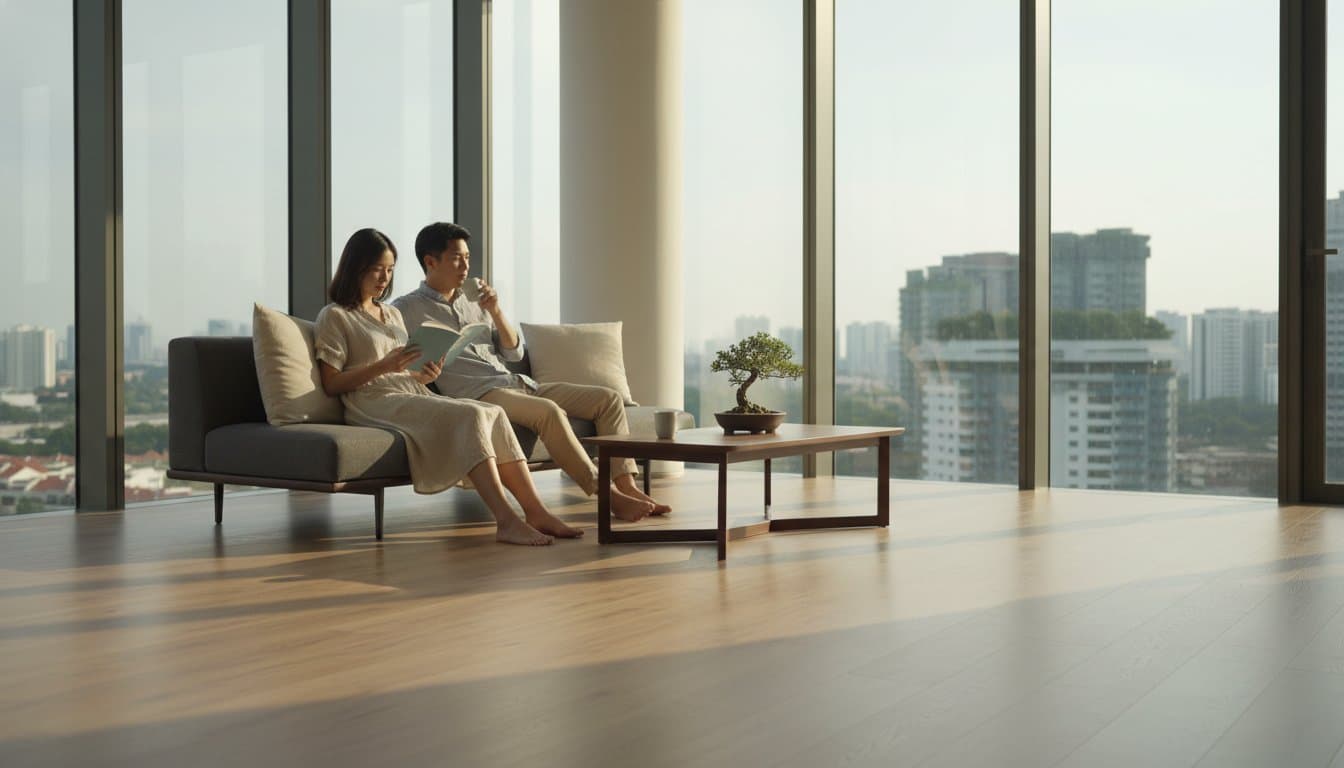
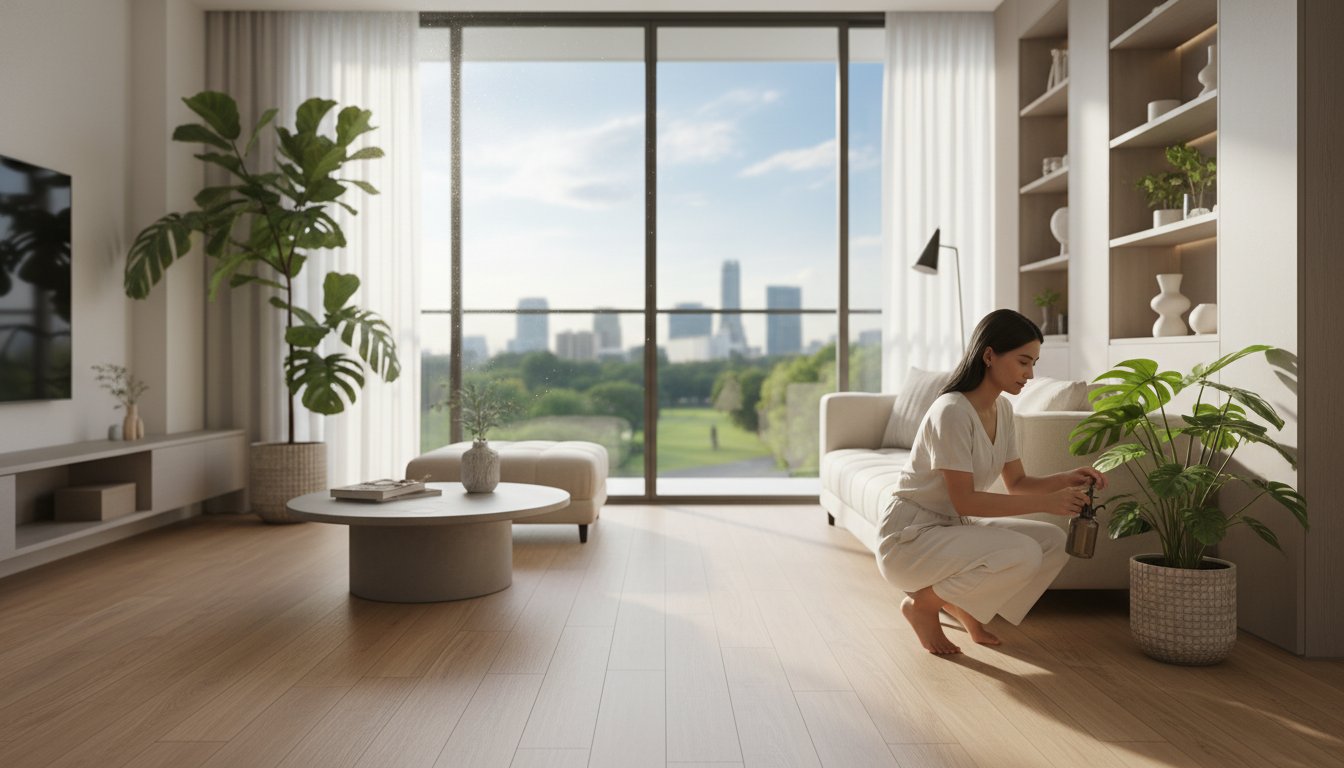
Integrating these materials allows homeowners to apply Biophilic design principles within their urban apartments. This design philosophy focuses on bringing nature indoors to improve mental well-being. Studies have shown that nature-inspired spaces can reduce stress by up to 20%. By choosing a floor that looks and feels like real wood, you create a calming sanctuary that remains functional in Singapore’s tropical climate.
To better understand how these visual textures come to life, watch this helpful video:
Aesthetics vs. Composition: Finding the Balance
The realism of natural lvt comes from high-definition printing layers that capture intricate wood knots and stone veining. To achieve a truly tactile feel, premium options use Embossed in Register (EIR) technology. This process aligns the surface texture exactly with the printed image, so when you see a grain, you actually feel it underfoot. It’s vital to distinguish between a “natural-look” and the material’s composition. While the surface mimics nature, the core is engineered for performance. Ensure your selection meets the Singapore Green Label standards, which require formaldehyde emissions to be below 0.1 mg/m³ for a healthier indoor environment.
Why ‘Resilient’ Matters in Modern Flooring
Resilience is the floor’s capacity to withstand heavy footfall and impact without permanent damage. Unlike traditional hardwood, which is prone to termite infestations and moisture swelling, or ceramic tiles that can feel cold and brittle, LVRF provides a forgiving yet durable surface. Nature Living Floor specializes in these premium LVRF solutions, providing the perfect foundation for any space. If you’re planning a renovation, look for a 5mm LVT click flooring system. This thickness offers superior stability and a robust locking mechanism, ensuring your floor remains flawless even in high-humidity areas.
Performance Benefits: Why Natural LVT Outperforms Real Timber in Southeast Asia
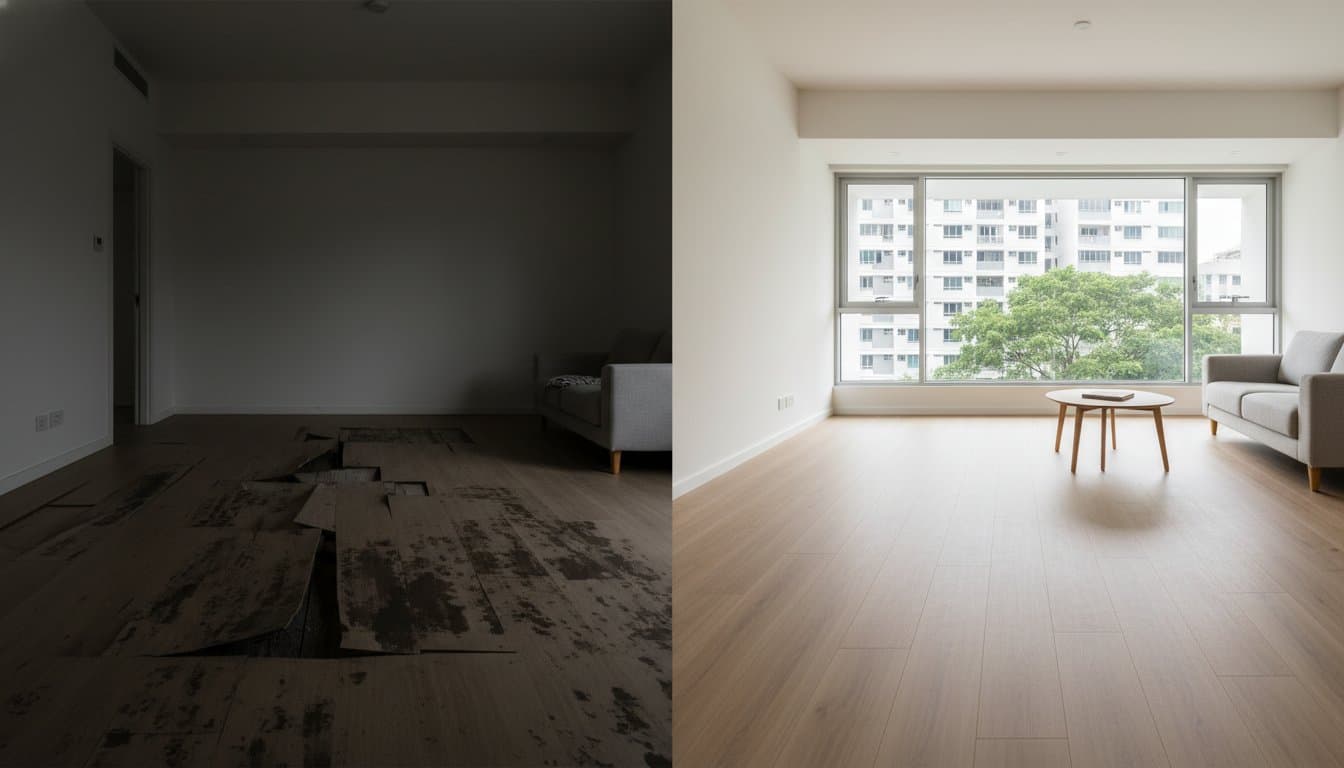
Singapore’s environmental conditions present a unique challenge for interior finishes. With an average relative humidity of 84%, which often peaks at over 90% during monsoon months, traditional organic materials face constant stress. Real timber is hygroscopic, meaning it absorbs and releases moisture from the air. This cycle leads to unsightly warping, cupping, and “popping” of floorboards. Choosing natural lvt provides a sophisticated solution that remains entirely unaffected by these atmospheric shifts.
Beyond moisture, property owners must contend with the persistent threat of subterranean termites. These pests cause significant structural damage across Southeast Asia every year. Unlike real wood, which serves as a food source, Luxury Vinyl Resilient Floor (LVRF) is inorganic and 100% termite-proof. This durability ensures your investment remains intact for decades without the need for toxic chemical injections or expensive replacements. Modern SPC and LVT cores also offer exceptional dimensional stability, meaning they don’t expand or contract even when exposed to direct afternoon sun through floor-to-ceiling windows.
The Tropical Advantage: Moisture and Humidity
The primary failure point for wood in Singapore is the kitchen and sheltered balcony area. In these zones, spills and high humidity are inevitable. While real wood would buckle within months, LVRF remains perfectly flat and stable. Actionable Tip: Use LVRF in kitchens and balconies where wood would typically fail due to moisture exposure. When selecting your floor, always verify the slip-resistance rating. For humid environments, an R10 rating is the professional recommendation to prevent accidents on potentially damp surfaces. This technical edge significantly reduces the impact on indoor air quality by preventing the growth of mold and mildew often trapped beneath warped boards.
Durability for High-Traffic Households
Longevity in a busy home depends on the quality of the protective surface. For residential spaces in 2026, a 0.5mm wear layer is considered the gold standard for durability. The wear layer is the transparent top coating that protects the design from physical abrasion. This shield makes the natural lvt surface virtually immune to scratches from pets or stains from household spills. If you want to see how these layers perform in real-world settings, you can explore our resilient flooring solutions designed for high-traffic elegance. By prioritizing these specifications, you ensure a flawless finish that withstands the rigors of daily life while maintaining its premium aesthetic.

Design Strategies: Achieving an Organic Aesthetic with LVRF
Achieving a flawless look with natural lvt depends on subtle details that mimic nature’s imperfections. Selecting the right aesthetic for your home requires more than just picking a color; you must consider the visual weight of the grain. In 2026, the ‘Natural Woodgrain’ trend has split into two distinct paths. Airy, light oaks evoke a Scandinavian calm, while deep, sophisticated walnut tones offer a sense of heritage and permanence. For smaller Singaporean apartments, lighter tones are usually the superior choice. They reflect light effectively and make compact rooms feel significantly larger. Conversely, larger landed properties benefit from the grounded, premium feel of darker grains that anchor a vast open space.
A common mistake in many renovations is a repetitive floor pattern that looks artificial. High-end LVRF solutions solve this through high-definition print films that offer significant plank variation. To complete your design, don’t overlook the importance of skirtings and trimmings. These essential accessories bridge the gap between your floor and wall, providing a professional finish that conceals the necessary expansion gaps for your 5mm LVT click flooring. This attention to detail ensures your interior looks like a curated masterpiece rather than a standard renovation project.
Pattern Play: Herringbone, Chevron, and Wide Planks
Pattern selection acts as a powerful design lever in modern interiors. Herringbone and chevron layouts are currently surging in popularity for 2026, adding an immediate sense of luxury and architectural interest to compact spaces. If you’re designing an expansive open-plan lounge, wide planks measuring approximately 7 inches by 48 inches create a seamless, airy feel. Actionable Tip: During the layout process, always mix-and-match planks from at least four different boxes. This ensures that color shifts and grain variations are distributed evenly across the room, preventing ‘clumping’ of similar patterns and enhancing the authentic natural lvt appearance.
Coordinating with Wall Panels for a Holistic Look
For a truly immersive biophilic environment, extend your wood aesthetic vertically. Integrating WPC fluted wall panels with your resilient flooring creates a sophisticated, tactile interior that mirrors high-end boutique hotels. You can use ‘flat’ wall panels in a complementary shade to balance the texture of a grain-heavy floor without creating visual clutter. This holistic approach transforms a simple room into a cohesive sanctuary. For a deeper dive into which material suits your specific lifestyle needs, read our guide on the various types of vinyl flooring available in the Singapore market today.
The Health Perspective: Non-Toxic Foundations and Indoor Air Quality
A common concern for homeowners is whether modern flooring solutions compromise the air we breathe. You might wonder, “Is vinyl flooring toxic?” The answer lies in the manufacturing standards of the specific product you choose. While budget options might use recycled plastics of unknown origin, premium natural lvt is engineered with virgin materials and phthalate-free resins. This ensures your home remains a safe haven for children and pets. Modern finishes, such as those found in our LVT Series 4, even incorporate antimicrobial properties to inhibit the growth of bacteria on the surface, adding an extra layer of protection to your living environment.
Choosing a non-toxic floor is about more than just avoiding “bad” chemicals; it’s about actively supporting your family’s long-term health. By prioritizing high-performance materials, you eliminate the risk of heavy metals like lead or mercury entering your home. If you’re ready to upgrade to a safer, more elegant interior, explore our premium flooring solutions today.
Understanding VOCs and Formaldehyde
Volatile Organic Compounds (VOCs) are gases emitted from certain solids or liquids, and they’re particularly concerning in Singapore’s air-conditioned, enclosed spaces where ventilation is often limited. High-quality LVRF is tested to ensure zero or ultra-low formaldehyde emissions, meeting international safety standards and local regulations like the Singapore Green Label. These standards require formaldehyde levels to remain below 0.1 mg/m³ to protect your respiratory health. Actionable Tip: Always ask for ‘FloorScore’ or ‘Singapore Green Label’ certifications before purchasing. As of May 2026, a valid FloorScore certification ensures the product meets the stringent VOC emissions criteria of CA Section 01350, providing peace of mind for your indoor air quality.
Acoustic Comfort: The ‘Quiet Luxury’ of LVT
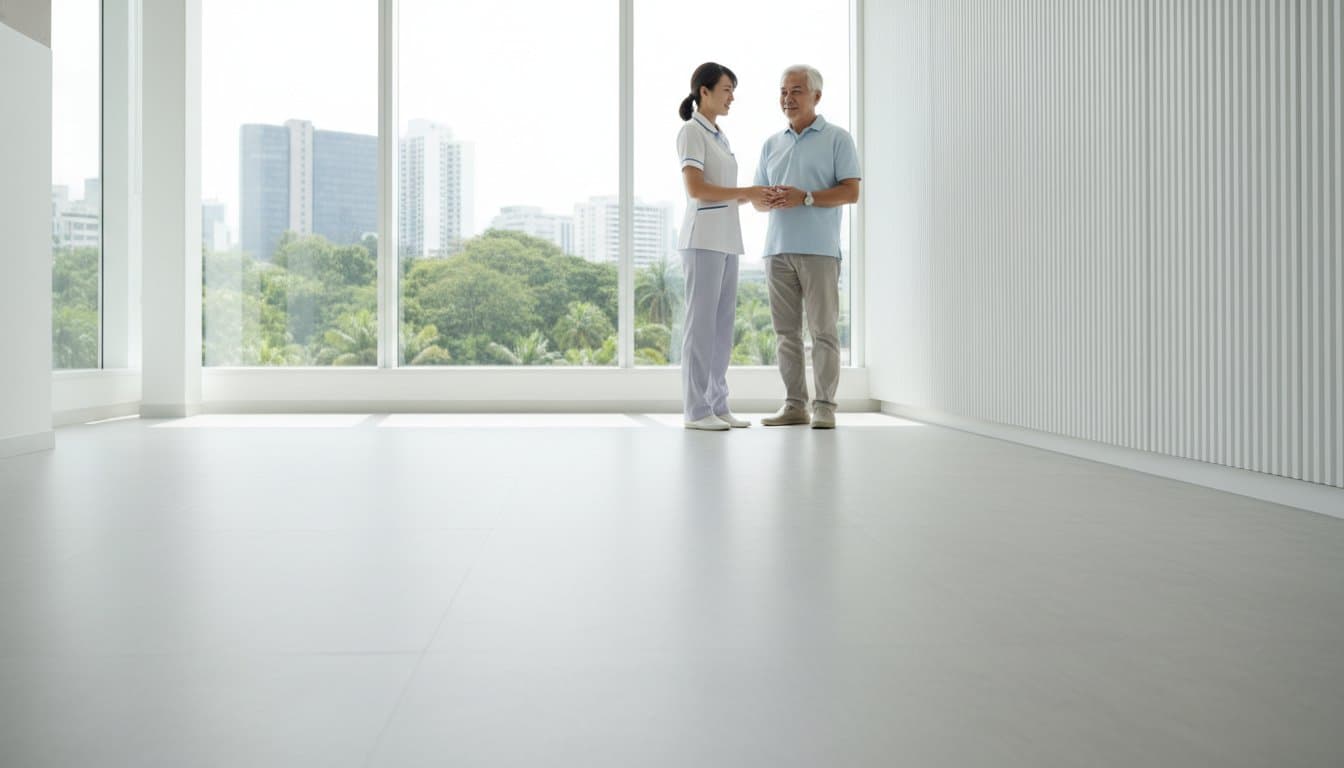
Health isn’t just physical; it’s also about mental well-being and the “quiet luxury” of a peaceful home. In multi-story residential living, such as HDB flats and private condos, “footfall” noise can become a significant stressor. Premium natural lvt often features built-in underlayment or high-quality separate layers that dampen sound transmission between floors. Professional-grade barriers utilize SSR (Superior Sound Reduction) technology to absorb impact noise, such as dropped objects or heavy footsteps. This acoustic performance transforms your space into a serene sanctuary, proving that a sophisticated floor should be felt and seen, but rarely heard.
Choosing and Protecting Your Investment: A Professional Guide
Selecting the right natural lvt requires a discerning eye for technical specifications that go beyond mere surface patterns. In the 2026 flooring market, where total all-in costs for a 500-square-foot room typically range from S$2,500 to S$5,500, making an informed decision is essential for long-term value. While aesthetics draw you in, the structural integrity of the plank determines how your floor handles the rigors of daily life. Partnering with a specialist like Nature Living Floor ensures you receive premium materials backed by expert guidance, helping you avoid common pitfalls found in lower-grade alternatives.
The 5-Point Quality Test for LVT Samples
When you hold a sample of natural lvt, use this checklist to verify its quality. First, confirm a wear layer thickness of at least 0.5mm for residential longevity. Second, check the core rigidity; it should feel solid and resistant to bending. Third, evaluate the texture realism under different lighting to ensure the grains don’t look pixelated. Fourth, inspect the click system integrity; the grooves should be clean and sharp, not brittle. Finally, look for an integrated underlayment, which provides superior acoustic performance and easier handling. Actionable Tip: Use a coin to firmly scratch the surface of your sample. A premium finish will resist deep gouging, proving its readiness for high-traffic environments. We encourage you to visit our showrooms in Singapore, Klang, or Yangon to experience these tactile qualities firsthand.
For most residential applications in Singapore, 5mm LVT click flooring is the preferred choice over glue-down methods. The click-lock system allows for a “floating floor” that accommodates minor subfloor imperfections and is significantly easier to repair if a single plank is damaged. Glue-down options, while stable, require a perfectly level subfloor and involve adhesives that can complicate future renovations or impact indoor air quality if not carefully selected.
Long-Term Care and Maintenance
Maintaining the flawless appearance of your Luxury Vinyl Resilient Floor (LVRF) is straightforward if you follow professional protocols. Don’t use harsh household chemicals or bleach, which can dull the protective wear layer over time. Instead, use pH-neutral cleaners specifically formulated for resilient surfaces. To prevent heavy point-load damage, always place felt pads under the legs of sofas, dining tables, and cabinets. Actionable Tip: Clean your floors with a damp mop, but never use a steam mop. The intense heat and pressurized moisture of steam can eventually weaken the integrity of the click-lock seams, leading to potential structural issues. By following these expert steps, your floor will remain the perfect foundation for your space for decades to come.
Transform Your Interior with Resilient Biophilic Excellence
Transforming your home into a biophilic sanctuary doesn’t require compromising on long-lasting performance. You now understand that you don’t have to choose between the organic warmth of timber and the technical resilience needed for Singapore’s 84% average humidity. By integrating natural lvt into your design, you’ve secured a 100% waterproof and termite-proof solution that remains flawlessly stable through the years. You’ve also made a conscious decision for your family’s long-term well-being by selecting materials that respect the Singapore Green Label’s 0.1 mg/m³ formaldehyde threshold.
It’s time to move beyond basic renovations and embrace the “quiet luxury” of premium resilient surfaces. Whether you’re styling a compact urban apartment or a vast open-plan lounge, the right foundation defines the entire atmosphere. As dedicated specialists in Luxury Vinyl Resilient Floor (LVRF) with expertise across Singapore, Malaysia, and Myanmar, we’re here to provide the premium, non-toxic solutions your project deserves. Your journey toward a sophisticated, modern, and resilient living space is ready to begin.
Discover the perfect foundation for your space at Nature Living Floor
Frequently Asked Questions
Is natural LVT actually made of wood?
No, natural lvt is not made of wood; it’s a high-performance synthetic material designed to replicate organic textures. It uses high-definition print films and Embossed in Register (EIR) technology to mimic the tactile feel of timber. This composition makes it 100% waterproof and termite-proof, solving the durability issues inherent in real wood while maintaining a premium, sophisticated aesthetic for your living space.
How long does luxury vinyl resilient flooring typically last?
Luxury vinyl resilient flooring typically lasts between 15 and 25 years in a residential setting. Its longevity is primarily determined by the thickness of the wear layer, with a 0.5mm coating being the professional standard for high-traffic homes. By following a pH-neutral cleaning routine and using felt protectors under furniture, you ensure your floor maintains its flawless finish and structural integrity for decades.
Can I install natural LVT over my existing ceramic tiles?
Yes, you can install natural lvt over existing ceramic tiles if the surface is level and structurally sound. If your grout lines are wider than 3mm or deeper than 2mm, you must apply a self-leveling compound or fill the joints to prevent “telegraphing” through the vinyl. Using a 5mm click system provides enough rigidity to bridge minor imperfections, creating a smooth, modern foundation without the need for messy tile hacking.
Is LVT flooring safe for households with infants and pets?
Yes, premium LVT is exceptionally safe for households with infants and pets. To ensure a non-toxic environment, verify that the product carries the Singapore Green Label, which guarantees formaldehyde emissions are below 0.1 mg/m³. These floors are phthalate-free and often include antimicrobial finishes, providing a hygienic surface that resists pet stains and is gentle enough for a crawling child’s sensitive skin.
Does ‘natural look’ vinyl flooring fade in direct sunlight?
Modern LVT flooring is engineered with UV inhibitors in the wear layer to resist fading from sunlight. While older vinyl products might discolor, 2026-standard LVRF solutions maintain their vibrant woodgrain tones even in bright rooms. For spaces with intense, direct afternoon sun, we recommend using sheer curtains or UV-treated glass to provide an extra layer of protection, ensuring your floor’s elegant color remains consistent throughout the property.
What is the difference between LVT and SPC flooring?
SPC is a specific type of LVT that features a Stone Plastic Composite core for superior rigidity. While traditional LVT is more flexible and softer underfoot, SPC is highly resistant to impacts and temperature-induced expansion. Both categories are considered Luxury Vinyl Resilient Flooring (LVRF). The choice depends on your subfloor condition; SPC is often better for bridging minor unevenness, whereas traditional LVT offers a slightly warmer, quieter feel.
How do I calculate how much vinyl flooring I need for my room?
To calculate your flooring needs, multiply the room’s length by its width to find the total square footage and add a 10% wastage allowance. For a standard 500-square-foot room, you should order enough material for 550 square feet to account for cuts and corner fitting. If you’ve chosen a complex pattern like herringbone, increase your wastage factor to 15% to ensure you have enough planks to complete the intricate layout flawlessly.
Do I need a separate underlayment for 5mm click flooring?
You don’t need a separate underlayment if your 5mm click flooring features an integrated backing. Many premium LVRF planks come with a pre-attached IXPE or cork layer designed for acoustic dampening and moisture resistance. If your chosen product lacks this, you must install a separate 1mm to 1.5mm high-density underlayment. This layer is essential for reducing footfall noise and providing the necessary support for the click-lock system’s long-term performance.
Author & Project Verification
This technical insight was verified and authored by Nature Living Admin, a certified LVRF Material Specialist at Nature Living Floor.
Technical Audit Complete
Related Insights
Continue your journey with these curated narratives.