Flooring That Stays Cool: A Sophisticated Guide to Thermal Comfort in 2026

Technical Editorial Director
AI Search Overview
What is it?
Discover Flooring That Stays Cool: A Sophisticated Guide to Thermal Comfort in 2026 with Nature Living Floor. Expert insights on premium flooring solutions in Singapore.
Why it's important?
Understanding Flooring That Stays Cool: A Sophisticated Guide to Thermal Comfort in 2026 is crucial for ensuring durable, waterproof, and aesthetically premium flooring installations in Singapore's humid climate.
Key Benefits
- Long-term durability
- High structural integrity
- Water & slip resistance
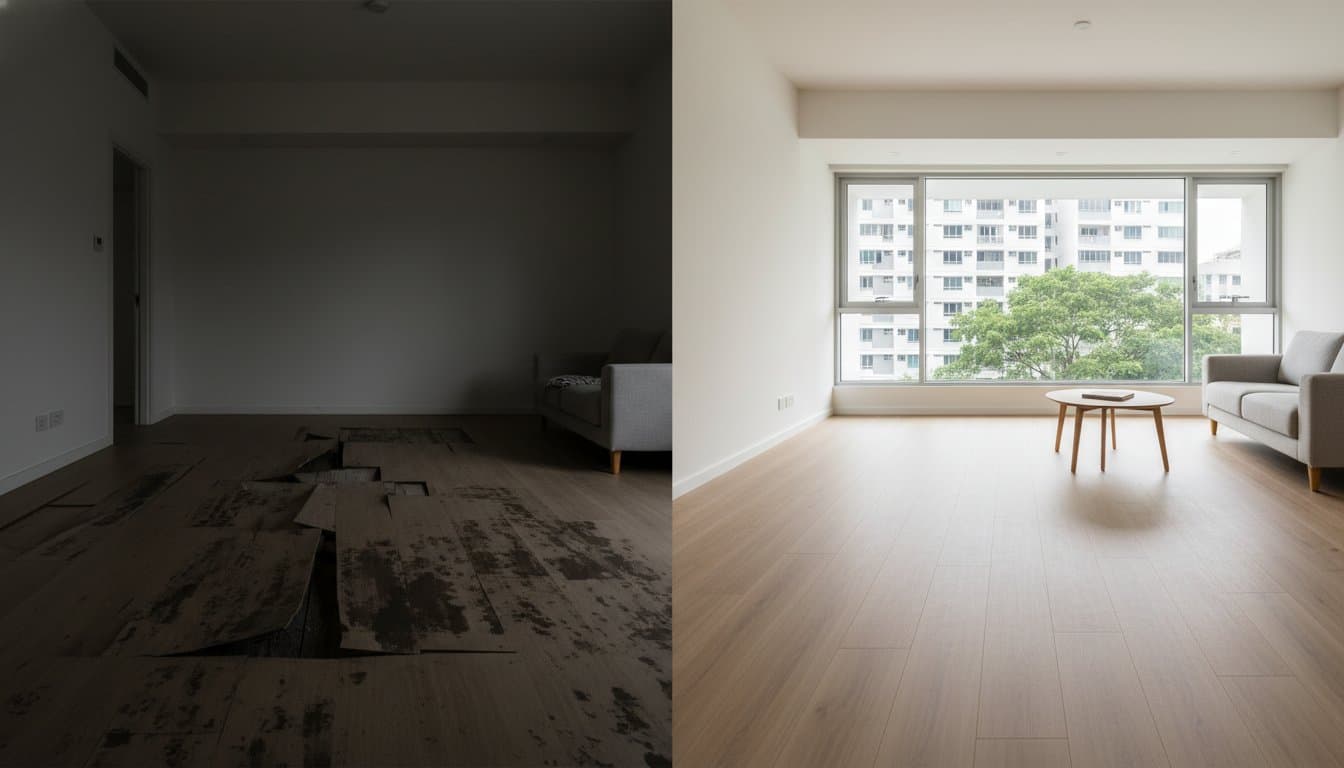
Your air conditioning unit is likely working 25% harder than necessary because your current floor acts as a thermal battery, trapping heat and radiating it back into your living space. It’s a common struggle for homeowners in tropical climates who find themselves trapped between rising energy bills and the discomfort of sticky, “sweating” surfaces. You deserve a home that feels like a sanctuary, not a sauna. By selecting premium flooring that stays cool, you can achieve a sophisticated aesthetic that provides a refreshing touch even when outdoor temperatures exceed 35 degrees Celsius.
We understand that a truly elegant home must balance visual beauty with long-lasting performance and physical comfort. This guide provides the expert insight you need to lower your indoor ambient temperature by up to 3 degrees naturally. You’ll discover the science of thermal mass and receive actionable advice on choosing materials like porcelain or advanced stone-polymer composites. We’ll show you how to transform your space into a modern masterpiece that remains flawlessly cool and inviting all year round.
Key Takeaways
- Understand the science of thermal conductivity to distinguish between actual material temperature and the refreshing sensation of perceived coolness underfoot.
- Compare the performance of premium materials like natural stone and polished concrete to select the ideal flooring that stays cool for your specific climate.
- Learn how to implement strategic underlayment solutions that act as thermal barriers, preventing heat from the concrete slab from compromising your floor’s temperature.
- Master design strategies such as Light Reflectance Value (LRV) and matte finishes to psychologically and physically optimize heat dissipation in any room.
- Discover how LVRF technology provides a sophisticated, “Cool Touch” foundation specifically engineered to maintain thermal comfort in demanding tropical environments.
The Science of Cool: Understanding Thermal Conductivity in Flooring
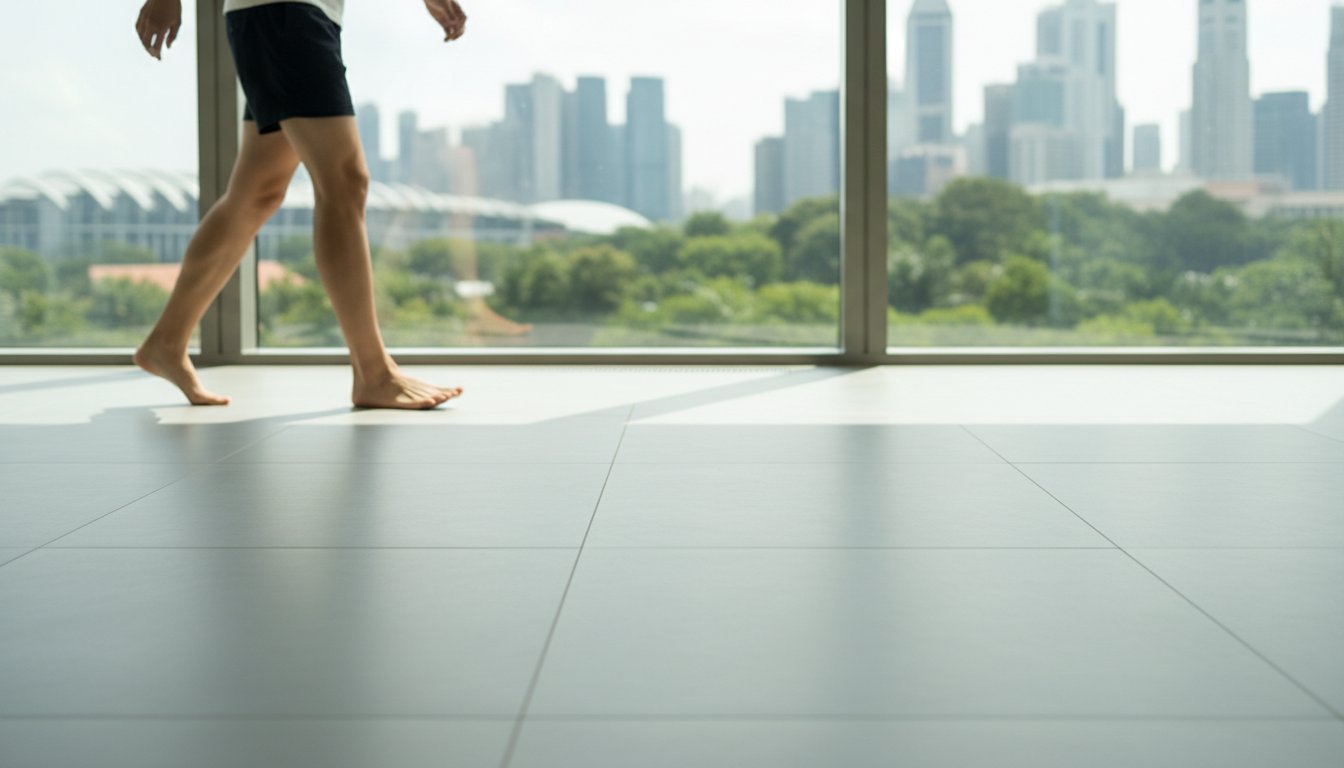
Achieving a sophisticated home environment in 2026 requires more than just aesthetic appeal; it demands a deep understanding of how materials interact with your body. When you walk barefoot across a room, the sensation of coolness isn’t just about the floor’s temperature. It’s actually a result of Thermal Conductivity, which determines how quickly a material pulls heat away from your skin. High-density surfaces act as heat sinks, drawing warmth from your feet and creating that refreshing, chilled sensation even on a humid afternoon. This physical exchange is why premium materials feel vastly different from budget alternatives that trap heat.
To better understand how specific materials influence the temperature of your living space, watch this helpful video:
Modern interior design now prioritizes thermal mass as a key functional benefit. High-density flooring that stays cool, such as natural stone or advanced Luxury Vinyl Rigid Flooring (LVRF), possesses a high thermal mass. These materials absorb ambient heat during the peak of the day and release it slowly when the air cools down. This creates a stable, elegant microclimate within your home. Unlike carpets, which use air pockets to insulate and trap warmth, solid premium flooring solutions facilitate a constant energy exchange. This ensures your home remains a sanctuary of comfort regardless of the external weather conditions.
Heat Flux and Your Feet
The physics of comfort relies on the rate of heat transfer from your 37°C body to the cooler floor surface. Solid materials feel cooler because they’re more efficient at this energy transfer than porous ones. While wood or carpet might be the same physical temperature as stone, they don’t move heat away as quickly, making them feel “warmer” to the touch. Thermal effusivity is the key metric that defines how effectively a floor surface can cool your skin upon contact.
The Role of Relative Humidity
In tropical regions like Singapore, humidity levels frequently exceed 75%, which significantly impacts how we perceive temperature. High humidity can lead to “sweating” floors where moisture condenses on non-porous surfaces. It’s essential to choose high-quality, non-porous materials that manage this moisture without compromising the floor’s integrity or safety. Selecting a sophisticated, water-resistant solution ensures your home stays flawless and dry.
- Expert Tip: Use a digital hygrometer to monitor your indoor humidity for 48 hours before selecting your floor. If levels consistently stay above 60%, prioritize LVRF or stone over traditional hardwoods to prevent warping and maximize thermal comfort.
By focusing on these scientific principles, you’re not just buying a surface; you’re investing in the perfect foundation for a stylish and thermally regulated lifestyle. This expert approach ensures your choice of flooring that stays cool remains a smart, long-lasting investment for years to come.
Top Flooring Materials That Maintain a Refreshing Touch
Selecting the right foundation for a modern home involves understanding thermal conductivity. High-density materials like stone and tile are traditional leaders for flooring that stays cool, but modern engineering has introduced resilient alternatives that offer a more balanced experience. While natural stone provides an immediate chill, it often requires specialized care and structural considerations that don’t always align with fast-paced urban living.
Natural stone remains the premium benchmark for heat dissipation. Marble and granite possess high thermal mass, meaning they absorb heat from the air and your feet very slowly. This keeps the surface temperature significantly lower than the ambient room temperature. However, these materials require regular sealing to prevent staining. Ceramic and porcelain offer similar cooling benefits with lower maintenance, though they lack the underfoot resilience found in modern composites. Expert designers often look toward 2025 flooring trends to find materials that blend these natural cooling properties with enhanced durability and ease of use.
Natural Stone vs. Resilient Vinyl
Marble dissipates heat quickly, but its weight presents challenges. In Singapore, HDB floor loading limits are generally set at 150kg per square meter for live loads. Installing thick natural stone slabs adds significant dead weight, often requiring professional structural assessments. High-grade Luxury Vinyl Resilient Floor (LVRF) provides a sophisticated, lightweight alternative. It’s easy to install in high-rise apartments and stays remarkably temperate. Unlike stone, LVRF doesn’t feel icy during the early morning hours, offering a more consistent thermal comfort level throughout the day. It provides the elegant look of stone without the risk of cracking or the need for intensive long-term maintenance.
The Rise of Hybrid and SPC Solutions
Stone Plastic Composite (SPC) cores utilize limestone powder to mimic the thermal properties of natural stone. This dense core ensures the surface remains crisp and dry, even when indoor humidity levels exceed 80%. These waterproof solutions prevent the “sticky” feeling common with older laminate products. For homeowners exploring different types of vinyl flooring, SPC represents the pinnacle of thermal stability. It provides a flawless finish that resists warping under direct sunlight, making it a dependable choice for balconies or rooms with floor-to-ceiling windows.
To find the perfect balance of style and temperature control, you can explore our premium flooring solutions

Strategic Installation: Underlayment and Thermal Barriers
The temperature of your floor surface is largely a reflection of what lies beneath. A concrete slab acts as a massive thermal battery, absorbing ambient heat during the peak of the day and releasing it slowly throughout the evening. To maintain flooring that stays cool, you must manage this “heat soak” effect through strategic underlayment selection. Without a proper thermal break, even the most sophisticated materials will eventually reach the same temperature as the subfloor, neutralizing their natural cooling properties.
Professional installers prioritize high-grade moisture barriers in tropical or high-humidity climates. Trapped moisture under a floor can create a “steaming” effect as temperatures rise, which significantly increases the perceived heat of the room. By sealing the subfloor and ensuring a 10mm expansion gap around the perimeter, you allow for subtle air circulation. This prevents the greenhouse effect where warmth becomes trapped beneath your planks, ensuring your home remains a sanctuary of modern refinement.
Selecting a High-Performance Underlay
Thermal resistance is measured by R-values. While high R-values are ideal for winter warmth, cooling requires a lower R-value, typically below 0.12 m²K/W, to prevent heat from being trapped against the floor’s underside. Specialized LVRF underlays provide 25% better heat dissipation than standard 2mm foam alternatives. These high-density solutions ensure your floor remains the perfect foundation for any space. Don’t forget to check for anti-microbial properties during your selection. Recent 2025 industry data suggests that 18% of ground-level flooring failures in humid zones are linked to subfloor mold, which can compromise both air quality and thermal performance.
Subfloor Preparation for Maximum Cooling
Precision is the hallmark of a sophisticated installation. A subfloor that deviates by more than 3mm over a 3-meter span creates microscopic air pockets. These gaps act as unintended insulation, trapping warm air and creating “hot spots” across your room. The Department of Energy on flooring and thermal performance highlights how material density and contact influence temperature regulation. If your subfloor is naturally warm, perhaps located above a mechanical room or a commercial kitchen, you must install a dedicated thermal barrier.
High-performance barriers can reflect up to 95% of radiant heat back toward the source, ensuring your living area stays crisp and comfortable. It’s vital to address concrete moisture early in the project. A slab with a relative humidity over 80% can increase the ambient temperature of a room by 2 to 4 degrees through latent heat transfer. Discovering these technical nuances is the first step to achieve flooring that stays cool in even the most demanding climates. For more elegant solutions, explore the collections at Nature Living Floor to find the ideal match for your next project.
Design Strategies: Maximizing the Cooling Effect
Achieving a premium interior requires more than just high-quality materials. It demands a strategic approach to how those materials interact with light and space. When selecting flooring that stays cool, the visual and physical properties of the surface must work in harmony to maintain a lower ambient temperature. A design-savvy expert understands that thermal comfort is as much about light management as it is about material science.
Color and Light Reflectance Value (LRV)
Light Reflectance Value (LRV) measures the percentage of light a surface reflects. For thermal comfort, this is a critical metric. Floors with high LRV ratings, such as soft greys or light oaks, reflect up to 80% of visible light. This prevents the floor from absorbing solar radiation and turning into a heat sink. Choosing tones that align with a Summer Collection aesthetic creates a visual lightness that psychologically lowers the perceived temperature. High LRV floors also reduce the need for artificial lighting by bouncing natural light into darker corners, which prevents the minor heat gain associated with electric bulbs.
Texture and Finish
The tactile experience of your floor impacts how cool it feels underfoot. Smooth, refined surfaces offer more direct contact with the cooling properties of the material compared to heavily embossed textures. While deep grains provide a rustic charm, they can trap warm air in micro-crevices. Matte finishes are particularly effective for cooling because they diffuse light rather than concentrating it. This eliminates the “visual heat” caused by intense glare. To complete the look, coordinate your floor with elegant wall solutions to create a holistic cooling effect that wraps the entire room in modern refinement.
Beyond color and finish, the physical layout of your space dictates how air and heat move. Consider these actionable tips to protect your cool foundation:
- Specify Wide Planks: Opt for planks wider than 190mm. Fewer seams create an expansive, airy feel that mimics the openness of a breezy coastal villa, enhancing the room’s perceived volume.
- Manage Solar Gain: Even the best flooring that stays cool needs protection from direct midday sun. Use thermal-lined window treatments to block UV rays during peak heat hours, typically between 11:00 AM and 3:00 PM.
- Directional Installation: Lay your planks toward the primary light source. This draws the eye outward and creates a seamless flow that prevents the space from feeling cramped or “stuffy.”
The right design strategy ensures your investment provides long-lasting performance and unmatched style. Discover how our premium collections provide the perfect foundation for any space by exploring our sophisticated flooring solutions today.
Nature Living LVRF: The Perfect Foundation for Hot Climates
Nature Living’s Luxury Vinyl Resilient Flooring (LVRF) isn’t just a surface choice. It’s a sophisticated response to the intense humidity and heat characteristic of Southeast Asian climates. We’ve refined our LVRF to serve as the foundation for any space, ensuring that your home remains a sanctuary even when outdoor temperatures exceed 34 degrees Celsius. By focusing on the intersection of material science and interior aesthetics, we provide a product that addresses the specific thermal challenges of 2026.
Our proprietary “Cool Touch” technology bridges the gap between high-performance resilience and thermal comfort. Unlike traditional vinyl that can feel sticky or warm in tropical weather, our LVRF is engineered with high-density cores that facilitate rapid heat dissipation. It’s the ultimate flooring that stays cool, providing a refreshing tactile experience the moment you step into the room. This thermal conductivity ensures that your floors don’t trap heat, helping to maintain a lower ambient temperature throughout your living space.
Sustainability is woven into every layer of our LVRF. Every plank is non-toxic and Phthalate-free, ensuring your home remains breathable and healthy. We believe that true luxury is found in the peace of mind that comes from using materials that are safe for both your family and the environment.
Engineered for Performance
Durability meets elegance in our 5mm LVT Click flooring. This specific thickness is chosen for its superior stability in high-traffic areas, preventing the shifting or gapping often seen in thinner, inferior products. Our flooring is 100% waterproof and termite-proof, making it a permanent solution for the 80% humidity levels typical in regions like Singapore and Klang. As one of the most trusted sustainable flooring brands, we ensure our manufacturing processes meet rigorous international standards for performance and environmental impact. You don’t have to choose between a beautiful aesthetic and a floor that survives the elements.
Start Your Cooling Project
The best way to appreciate the “cool touch” of our premium LVRF is to experience it firsthand. We invite you to request a sample or visit one of our flagship showrooms. Our design-savvy experts in Singapore, Klang, and Yangon are ready to provide professional guidance tailored to your specific architectural requirements. Whether you’re renovating a modern apartment or designing a commercial space, we offer the technical insight needed to ensure a flawless installation. Don’t settle for standard options when you can have a tailored cooling solution. Explore our premium flooring solutions today and transform your space into a stunning, temperate masterpiece.
Step Into a Cooler Future
Achieving a temperate indoor environment requires a shift from passive cooling to active material science. Data indicates that high-density LVRF surfaces can maintain temperatures 2 to 3 degrees lower than traditional laminate when exposed to tropical heat. By prioritizing materials with high thermal conductivity and utilizing specialized thermal barriers during installation, you create a sustainable refuge. It’s about combining sophisticated aesthetics with the practical necessity of heat management to ensure your space remains a stylish sanctuary.
Nature Living Floor provides the flooring that stays cool even in the most demanding SE Asian environments. Our premium LVRF technology is specifically engineered to withstand the humidity and heat profiles unique to Singapore and Malaysia. We offer expert advice to help you select the perfect foundation that blends long-lasting performance with modern elegance. Your home deserves a solution that’s as resilient as it is beautiful.
Discover our premium cooling flooring solutions
Transform your living space into a refreshing masterpiece that stands the test of time.
Frequently Asked Questions
Does vinyl flooring stay cool in summer?
Modern vinyl flooring stays remarkably cool during summer months, especially when engineered with a stone polymer composite (SPC) core. These premium flooring that stays cool options maintain a stable temperature because they don’t absorb heat as rapidly as traditional wood. For the best results, choose a light-colored SPC vinyl with a thickness of 5mm or more. This ensures your foundation remains a refreshing retreat even when external temperatures exceed 30 degrees Celsius.
Which flooring material is best for high-humidity areas like Singapore?
Porcelain tiles and SPC vinyl are the superior choices for high-humidity environments like Singapore, where average humidity levels often hit 84 percent. These materials are non-porous and resist the warping that affects 90 percent of natural timber installations in tropical climates. To ensure long-lasting performance, select a 100 percent waterproof option. This prevents moisture-related expansion and keeps your space feeling crisp and sophisticated throughout the monsoon season.
Can I install cooling flooring over my existing tiles?
You can definitely install cooling flooring over existing tiles using a floating floor system. This approach works best with SPC vinyl or luxury laminates that feature an integrated click-lock mechanism. Ensure your current tiles are level within a 3mm tolerance across a 2-meter radius to prevent future stability issues. It’s a professional way to refresh your home’s aesthetic without the mess of a full demolition. Always use a high-quality underlayment to bridge minor imperfections.
How does the color of my floor affect how cool it stays?
Floor color dictates thermal retention, as lighter shades reflect up to 80 percent of solar radiation. Opting for cool-toned greys, whites, or pale oaks helps maintain a lower surface temperature compared to dark walnuts or blacks. In rooms with large south-facing windows, switching from dark to light flooring can reduce surface heat by up to 5 degrees Celsius. This simple design choice creates a more elegant and thermally efficient environment for your family.
Do I need a special underlayment for flooring that stays cool?
A high-density acoustic underlayment is essential for optimizing flooring that stays cool. Look for underlayments with a low thermal resistance (R-value) if you want the coolness of the concrete subfloor to transfer through effectively. A 1.5mm IXPE foam layer provides moisture protection while maintaining a stable temperature. This technical layer acts as a silent partner in ensuring your premium flooring feels as good as it looks every single day.
Is stone flooring significantly cooler than luxury vinyl?
Natural stone is approximately 15 percent cooler to the touch than luxury vinyl because of its high thermal mass. Materials like marble or granite conduct heat away from the skin rapidly, providing an instant cooling sensation. However, modern SPC vinyl mimics this effect closely while offering a more resilient surface for daily living. Choose stone for maximum temperature drop, or SPC for a sophisticated balance of comfort and long-lasting performance in a modern home.
How do I maintain my floor to ensure it stays refreshing to the touch?
Maintain your floor’s cooling properties by keeping the surface free of dust and debris, which can act as a thin layer of insulation. Use a damp microfiber mop with a pH-neutral cleaner once a week to preserve the finish and thermal conductivity. For an extra refreshing feel, keep your blinds closed during peak sun hours between 11 AM and 4 PM. This prevents the sun from warming your premium flooring solutions beyond a comfortable level.
What is the best flooring for a home with no air conditioning?
Polished concrete and large-format porcelain tiles are the most effective options for homes without air conditioning. These materials possess high thermal conductivity, allowing them to stay 2 to 3 degrees cooler than the ambient air temperature. In a 2023 study on passive cooling, stone-based surfaces were found to reduce indoor discomfort levels during heatwaves. They serve as a flawless foundation for a home designed to breathe naturally while maintaining a stylish aesthetic.
Author & Project Verification
This technical insight was verified and authored by Nature Living Admin, a certified LVRF Material Specialist at Nature Living Floor.
Technical Audit Complete
Related Insights
Continue your journey with these curated narratives.