Flooring for Home Gym Room: The Designer Guide to Performance and Style

Technical Editorial Director
AI Search Overview
What is it?
Discover Flooring for Home Gym Room: The Designer Guide to Performance and Style with Nature Living Floor. Expert insights on premium flooring solutions in Singapore.
Why it's important?
Understanding Flooring for Home Gym Room: The Designer Guide to Performance and Style is crucial for ensuring durable, waterproof, and aesthetically premium flooring installations in Singapore's humid climate.
Key Benefits
- Long-term durability
- High structural integrity
- Water & slip resistance
The most sophisticated home gyms in 2026 are no longer hidden in damp basements or forced to smell like industrial rubber. You shouldn’t have to choose between a high-performance workout and a beautiful home aesthetic. It’s a common struggle to find flooring for home gym room designs that protects your subfloor from heavy weights while remaining easy to clean and visually stunning. Many homeowners worry that professional-grade surfaces will look cheap or industrial, disrupting the flow of their carefully curated living spaces.
We’re here to help you bridge the gap between utility and luxury. You’ll discover how to balance professional durability with high-end interior aesthetics for your fitness sanctuary. This guide provides expert insight into why Luxury Vinyl Resilient Floor (LVRF) is the essential foundational element for a modern home. We’ll explain why LVT market share grew to 26 percent between 2022 and 2023 and provide actionable tips to ensure your workout environment is as hygienic as it is elegant.
Key Takeaways
- Understand why your choice of flooring is the most critical investment for joint health and setting the right psychological tone for a productive workout.
- Compare Luxury Vinyl Resilient Floor (LVRF) against traditional materials to find the ideal flooring for home gym room setups that require scratch resistance and heavy weight capacity.
- Learn how to implement the “zoning” concept to create dedicated spaces for high-intensity training and calming yoga practices within the same room.
- Master the essentials of subfloor preparation and underlayment selection to ensure your professional-grade surface remains level and quiet for years.
- Discover how to pair functional longevity with sophisticated design by integrating premium LVRF with elegant fluted wall panels and trimmings.
Redefining the Home Gym: Why Flooring is Your Most Critical Investment
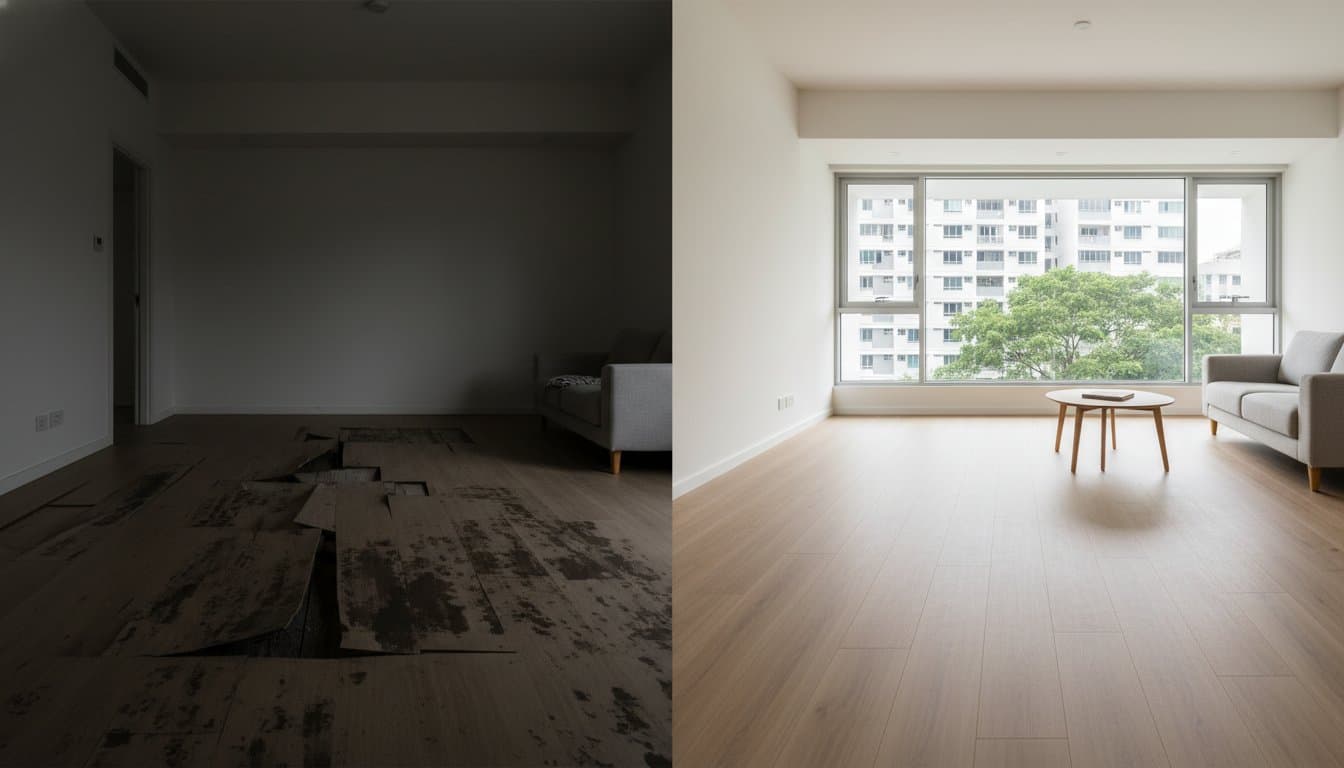
The modern home gym has undergone a radical transformation. It’s no longer a neglected corner of a basement filled with mismatched equipment; it’s now a sophisticated wellness suite integrated into the heart of the home. When you design this space, the foundation is your most vital decision. Selecting the right flooring for home gym room projects is the single most important choice for your physical safety and the longevity of your property. Unlike a standard living area, a fitness sanctuary requires a surface that manages high-impact force, provides impeccable slip resistance, and maintains aesthetic harmony with your interior design.
Your floor is the primary contact point for every movement you make. It dictates your stability during a heavy lift and the impact on your joints during plyometrics. While professional facilities often use sprung floors to enhance performance and reduce injury, homeowners can achieve similar protective benefits by choosing high-performance materials like Luxury Vinyl Resilient Floor (LVRF). Beyond the physical, the right surface sets the psychological tone for your workout. A clean, elegant floor invites you into the space, while a cracked or industrial-looking surface can create a subconscious barrier to your routine.
The Health Factor: Indoor Air Quality and VOCs
Many homeowners overlook the impact of flooring on respiratory health. Traditional recycled rubber mats often emit a pungent, industrial odor caused by Volatile Organic Compounds (VOCs). In the confined space of a home gym, these off-gassing chemicals can lead to headaches or dizziness during intense cardio sessions. Professional-grade flooring for home gym room applications should prioritize non-toxic materials. LVRF and 5mm LVT Click Flooring offer a hypoallergenic alternative that doesn’t trap dust, sweat, or allergens. Because these surfaces are non-porous, they don’t absorb moisture, ensuring your workout environment remains fresh and hygienic without the need for harsh chemical cleaners.
Protecting Your Real Estate Investment
A well-executed gym room is a strategic asset that adds measurable value to your property. However, using inadequate protection can lead to permanent structural damage. Dropping a 20kg dumbbell on a standard tile or hardwood floor can cause deep cracks in the concrete subfloor, leading to expensive repairs. While cheap foam mats might seem like a quick fix, they lack the density required for heavy equipment. Investing in a premium Vinyl Floor or LVRF provides a durable shield that preserves the integrity of your home. As LVT market share in commercial buildings rose from 17% in 2022 to 26% in 2023, it’s clear that professionals are increasingly trusting this material for its dual-benefit of high-end style and uncompromising durability.
Expert Tip: Before you finalize your layout, perform a “level test” on your subfloor. Use a long straightedge to identify any dips or peaks. A perfectly level base is essential for the stability of heavy squat racks and ensures your LVT click joints remain secure under load.
LVRF vs. Traditional Gym Flooring: A Professional Comparison
Traditional choices like rubber rolls or EVA foam tiles often force a compromise between function and beauty. While rubber is excellent for shock absorption, it typically brings an industrial aesthetic and a persistent odor that clashes with high-end interior design. On the other hand, foam is affordable but prone to permanent indentation from heavy racks. Choosing the right flooring for home gym room projects means seeking a material that bridges this gap. Luxury Vinyl Resilient Floor (LVRF) offers the sophisticated appearance of natural wood or stone while maintaining the structural integrity required for intense training. Professionals often look for expert tips for home fitness rooms to balance these competing needs without sacrificing style.
The “feel” factor is a critical consideration for any dedicated fitness space. You need a surface that’s firm enough for stability during heavy squats but has enough “give” to be comfortable for floor work like mountain climbers or stretching. LVRF achieves this balance by pairing a rigid core with a resilient wear layer. It provides a tactile experience that’s far superior to cold ceramic tiles or flimsy foam. This dual-benefit promise ensures that uncompromising durability meets sophisticated design in every square foot of your workout area.
Performance Under Pressure
Static loads from heavy equipment like treadmills, ellipticals, or weight racks can ruin standard residential floors. High-density 5mm LVT click flooring is specifically engineered to withstand these pressures without warping or cracking. It meets the rigorous ASTM F1700-24 standard for solid vinyl flooring, which confirms its ability to handle the demands of a high-performance environment. Unlike carpet, which can bunch or slide under lateral movement, LVRF provides a stable, slip-resistant foundation. This stability is essential for your safety during high-intensity interval training (HIIT) or explosive movements where foot placement is vital.
Hygiene and Maintenance Supremacy
Porous materials like carpet or low-quality rubber trap sweat, dead skin, and bacteria. This leads to lingering odors and a compromised training environment that’s difficult to clean. LVRF is non-porous and incredibly easy to sanitize after a grueling session. It’s completely waterproof, which is a signature benefit for homeowners in humid climates like Singapore and Malaysia. You won’t have to worry about moisture seeping into the subfloor or causing mold growth beneath the surface. For a surface that remains pristine and odor-free, consider the premium options at Nature Living Floor.
- Scratch Resistance: LVRF features a heavy-duty wear layer that resists marks from dropped equipment.
- Weight Capacity: Designed to support the concentrated weight of heavy gym machinery.
- Aesthetic Variety: Choose from realistic wood grains or stone textures to match your home’s decor.
- Acoustic Comfort: When paired with the right underlayment, it significantly reduces the sound of dropped weights.
Expert Tip: When evaluating scratch resistance, look for a wear layer of at least 20 mils (0.5mm). This is the professional standard for commercial-grade vinyl and will ensure your home gym looks new for years, even with daily use of dumbbells and kettlebells.

Matching Your Flooring to Your Fitness Discipline
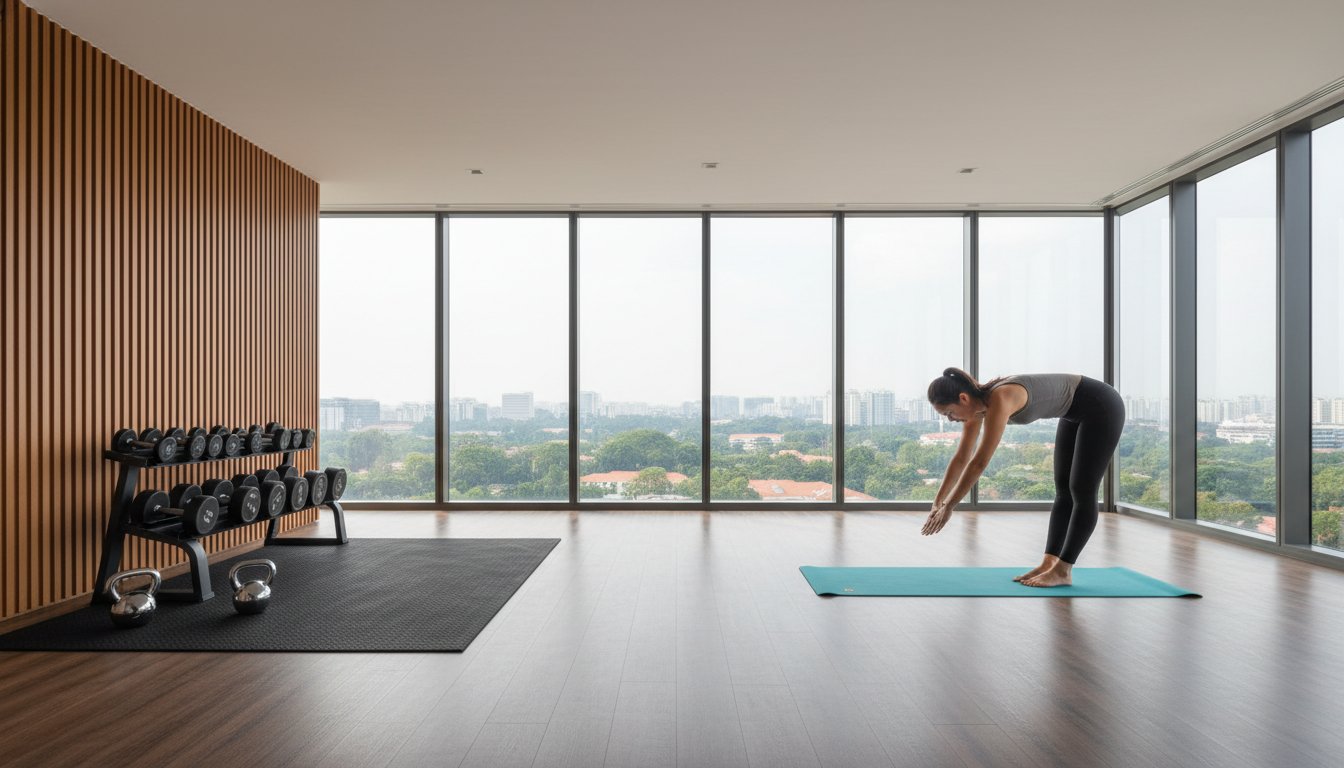
Designing a multi-purpose fitness sanctuary requires a strategic approach to layout. Instead of covering the entire space in a single material, expert designers utilize the “zoning” concept. This method allows you to tailor specific areas of your flooring for home gym room to the unique demands of different disciplines. By segmenting your space, you create a professional environment that supports high-intensity powerlifting alongside calming recovery practices without compromising on luxury or style.
Every movement has a different requirement for the surface beneath it. Yoga and Pilates enthusiasts prioritize warmth, grip, and a calming visual environment. In contrast, those focused on HIIT or cardio need a surface that offers lateral stability and enough impact absorption to protect joints during explosive movements. When evaluating flooring safety and performance, stability and firmness are the most critical metrics to ensure a secure training ground for all users.
The Strength Zone: High-Density Needs
Powerlifting and heavy resistance training demand a foundation that won’t compress or warp under extreme weight. A firm base is essential for maintaining proper form during heavy squats or overhead presses. Using high-density 5mm LVT Click Flooring provides the necessary rigidity to support heavy racks and weight machines. While LVRF offers excellent general protection, you can integrate localized deadlift platforms for extreme impact areas. This layered approach ensures that your primary floor remains pristine while providing the specialized support needed to manage point-load pressure from heavy dumbbell racks.
The Cardio and Recovery Zone
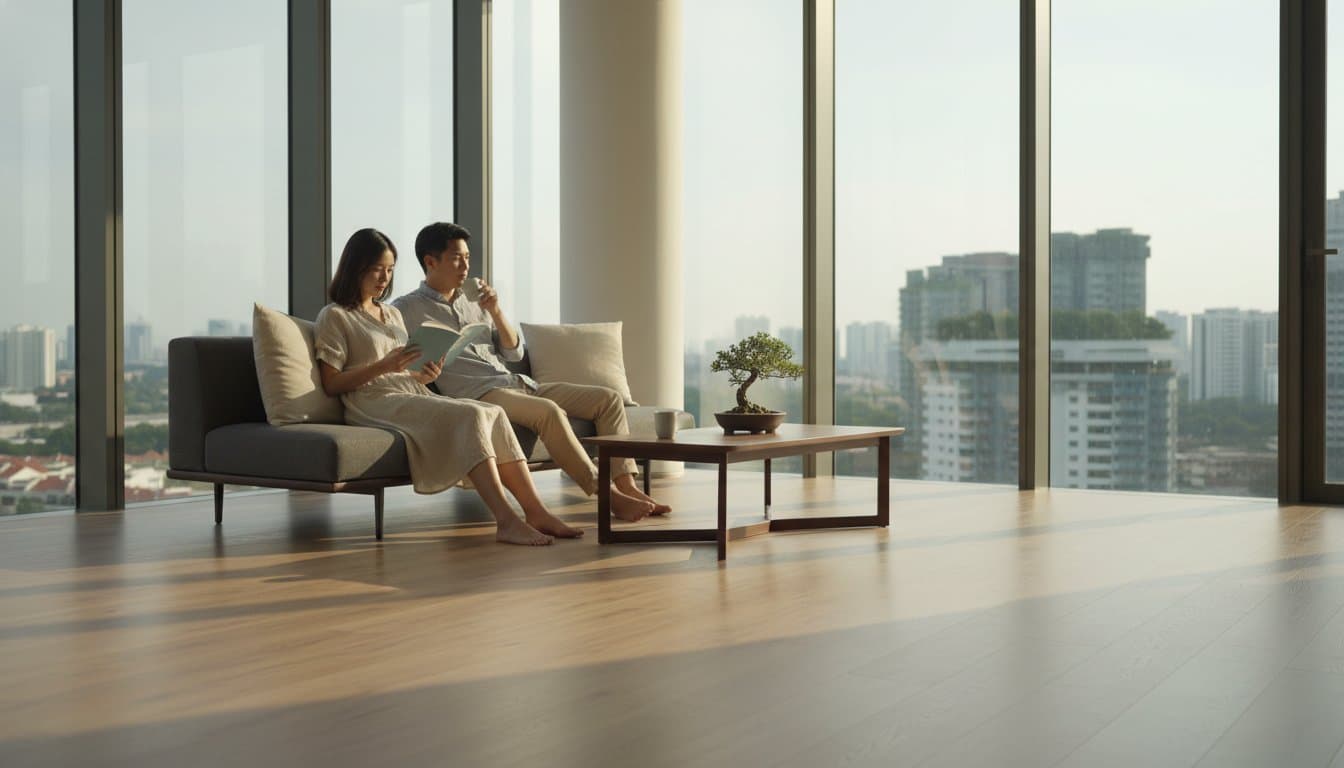
Recovery is just as vital as the workout itself. For yoga, Pilates, and meditation, the environment should feel warm and inviting rather than industrial. Wood-look vinyl flooring creates a “Zen” atmosphere that mimics the tranquility of a high-end boutique studio. To further elevate this aesthetic, consider pairing your flooring with fluted wall panels to improve acoustics and create a visually cohesive wellness suite. This combination doesn’t just look luxurious; it also helps dampen the vibration and noise generated by treadmills or rowers. It ensures your fitness sanctuary remains a peaceful retreat for the rest of the household.
Designer Tip: Use different shades of LVRF to visually define your zones without using physical barriers. A darker stone-look vinyl in the weightlifting area paired with a lighter wood-grain plank in the stretching corner creates a professional, intentional look that guides your workout flow.
Professional Installation and Maintenance: Ensuring Longevity
Achieving a flawless finish for your fitness sanctuary requires more than just selecting premium materials. The installation process is the bridge between a high-quality product and a long-lasting, high-performance environment. When you invest in flooring for home gym room projects, following a structured, professional approach ensures that your foundation remains stable under the most intense training conditions. Precision during this phase prevents future issues like joint separation or subfloor damage.
- Step 1: Subfloor Preparation. Ensure the base is perfectly level, dry, and clean. Any debris or moisture trapped beneath the planks can compromise the adhesive or the click mechanism over time.
- Step 2: Underlayment Selection. Choose a high-density underlayment designed for gym use. This layer provides essential sound dampening and adds a subtle cushion that enhances joint comfort.
- Step 3: Strategic Layout. Plan your layout to stagger joints by at least six inches. This structural technique distributes weight more evenly across the floor and minimizes material waste.
- Step 4: Precision Cutting. Use sharp professional tools for clean edges around heavy equipment or fluted wall panels. A tight fit prevents sweat from seeping into the gaps.
- Step 5: Sophisticated Finishing. Complete the transformation with matching skirtings and trimmings. These elements hide expansion gaps and provide a polished, designer look that distinguishes a luxury home gym from a basic garage setup.
Acoustic Luxury: Sound Dampening for the Home
In a residential setting, managing noise is essential for maintaining a peaceful household. The “clank” of weights or the rhythmic thud of a treadmill can easily travel through walls and floors. Utilizing sound dampening vinyl strategies is the most effective way to mitigate this. High-density LVRF naturally absorbs more vibration than traditional hardwood or tile. When paired with a specialized acoustic underlay, it creates a quiet environment that allows you to train at any hour without disturbing others. This focus on acoustic integrity is a hallmark of a well-designed, modern wellness suite.
Long-Term Care for High-Traffic Gyms
Maintaining a hygienic sanctuary requires a consistent care routine. Sweat and chalk can build up quickly, potentially affecting the slip-resistance of your floor if left unaddressed. For daily care, use a microfiber mop to remove dust and debris. Weekly deep cleans should involve pH-neutral cleaning agents that won’t degrade the protective wear layer. When you need to relocate heavy machinery, never drag it across the surface. Use furniture sliders or plywood sheets to protect your premium floor from scratches. For those ready to begin their project, you can explore professional-grade LVRF options to find the perfect foundation for your home.
Expert Tip: Always allow your vinyl planks to acclimate to the room’s temperature and humidity for at least 48 hours before installation. This simple step prevents the material from expanding or contracting after it has been fitted, ensuring a seamless, permanent fit.
Elevating Your Home Gym with Nature Living Floor LVRF
Nature Living Floor serves as the strategic partner for homeowners across Singapore and Malaysia who refuse to settle for industrial-grade compromises. Our Luxury Vinyl Resilient Floor (LVRF) embodies a dual-benefit promise where uncompromising durability meets sophisticated design. By selecting a foundation that is specifically engineered for the Southeast Asian climate, you ensure your flooring for home gym room remains impervious to high humidity and termite activity. This isn’t just a surface; it’s a foundational element of a smart, reliable investment in your home’s wellness infrastructure.
Our curated collections, including the timeless “Wood-Look” and the elegant “Herringbone” series, allow you to maintain a high-end aesthetic throughout your property. These designs provide the warmth of natural materials with the performance of a commercial-grade wear layer. With an AC3 abrasion rating and a 25-year warranty, these floors are built to withstand the daily rigors of heavy equipment and high-intensity training. You can achieve a seamless transition from your living area to your fitness sanctuary, creating a cohesive environment that reflects a modern, refined lifestyle.
Beyond the Floor: Integrated Wall Solutions
A truly designer gym room considers the entire environment, not just the ground beneath your feet. To elevate your space, integrate our fluted wall panels to create a sophisticated feature wall. These panels do more than just look beautiful; they act as a functional solution for room acoustics. The fluted design helps diffuse sound waves, reducing the echo often found in rooms with heavy machinery. By matching your Vinyl Floor with complementary WPC wall panels, you create a visually unified suite that feels like a professional boutique studio rather than a converted spare room.
Actionable Next Steps for Your Project
Transforming your space from a concept to a finished sanctuary requires precise planning. Follow these concrete steps to ensure a flawless execution:
- Calculate Your Space: Measure the length and width of your room in feet. Multiply these numbers and add a 10 percent buffer for cutting and waste. For example, a 150-square-foot room requires approximately 165 square feet of material.
- Request Samples: Lighting significantly affects how textures and colors appear. Request physical samples to see how our Herringbone or Wood-Look planks interact with your room’s natural and artificial light.
- Consult the Experts: Every home has unique subfloor and acoustic requirements. Contact our advisors for a personalized consultation to determine which LVRF thickness and underlayment combination best suits your specific fitness discipline.
Expert Tip: When planning your budget, remember that high-quality 5mm LVT click flooring is a smart investment that avoids the recurring costs of replacing cheap foam or smelly rubber mats. Focus on the long-term utility and the value it adds to your real estate.
Build Your Ultimate Wellness Sanctuary
Your fitness journey deserves a foundation that matches your ambition. By prioritizing high-density materials and strategic zoning, you transform a simple spare room into a professional-grade wellness suite. The right flooring for home gym room projects must balance technical performance with the sophisticated aesthetics of your home. You now understand how LVRF addresses the common pains of industrial odors and subfloor damage while providing a surface that remains hygienic and visually stunning.
It’s time to move beyond temporary mats and invest in a permanent solution that adds measurable value to your property. Our collections offer designer wood and stone finishes that are 100% waterproof and termite-proof, ensuring longevity in any climate. With professional-grade slip resistance, you can focus on your performance with total confidence and peace of mind.
Transform your workout space with our Premium LVRF Collections
Your ideal home fitness environment is just one foundational choice away. Take the next step in your creative journey and build a space that inspires your best self every day.
Frequently Asked Questions
Is luxury vinyl flooring durable enough for heavy weightlifting?
Yes, luxury vinyl is highly durable for weightlifting when you choose a high-density product like 5mm LVT Click Flooring. These planks are engineered to withstand significant static loads from heavy racks and machines without warping. For professional results, ensure your selection meets the ASTM F1700 standard with a minimum 20 mil wear layer. If you plan on dropping heavy iron weights, place a dedicated lifting platform over the LVRF to provide extra subfloor protection.
Can I install LVRF over my existing tile flooring in my gym room?
You can certainly install LVRF over existing ceramic or porcelain tiles as long as the surface is level and secure. This is a common strategy for a flooring for home gym room renovation because it avoids the mess of demolition. If your grout lines are wider than 5mm or deeper than 3mm, apply a self-levelling compound first. This prevents the grout patterns from “telegraphing” through to your new resilient vinyl surface over time.
How do I prevent my treadmill from sliding on vinyl flooring?
Place specialized rubber equipment pads or a thin machinery mat under the contact points of your treadmill to prevent sliding. While LVRF offers excellent slip resistance for your feet, the high-speed vibrations of cardio equipment can cause “walking” on any hard surface. Using small, high-density rubber grippers is a sophisticated way to secure your machinery. This approach maintains the elegant look of your floor while protecting the wear layer from friction marks during intense sprints.
Is vinyl flooring better than rubber for a home gym with limited ventilation?
Vinyl is the superior choice for enclosed spaces because it is non-toxic and virtually odorless. Traditional rubber mats often off-gas volatile organic compounds (VOCs) that create a pungent smell in rooms without heavy airflow. LVRF provides a hypoallergenic environment that doesn’t trap sweat or bacteria. It’s an ideal flooring for home gym room setups where indoor air quality is a priority for your health and comfort during long workouts.
Does home gym flooring need a specific underlayment?
Yes, you should always use a high-density acoustic underlayment specifically designed for resilient flooring. This layer is the essential starting point for managing impact noise and providing a subtle cushion for your joints. It helps stabilize the click-lock joints under the weight of heavy dumbbells. Look for an underlayment with a high Impact Insulation Class (IIC) rating to ensure your workout remains quiet for the rest of the household.
How do I clean sweat and chalk off my LVRF flooring without damaging it?
Use a damp microfiber mop and a pH-neutral cleaner to sanitize your floor after every session. Avoid using bleach, wax, or abrasive scrubbers, as these can dull the protective wear layer and affect slip resistance. If you use lifting chalk, vacuum the area first to prevent the powder from acting as an abrasive when you mop. This simple routine ensures your fitness sanctuary remains pristine and hygienic without compromising the material’s integrity.
What is the best flooring for a home gym on a second floor to reduce noise?
LVRF paired with a professional-grade rubber underlayment is the most effective solution for reducing noise on upper floors. This combination absorbs the thud of dropped weights and the vibration of cardio equipment far better than hardwood or ceramic tiles. It prevents sound from travelling through the building structure to rooms below. For the best results, ensure the underlayment is installed wall-to-wall to eliminate any potential sound leaks through the subfloor.
Can termites damage the flooring in my home gym?
No, termites cannot damage LVRF or 5mm LVT Click Flooring because these materials are entirely synthetic. Unlike traditional timber floors, vinyl provides no food source for pests, making it a smart investment for humid Southeast Asian climates. You don’t have to worry about structural hollows or expensive treatments. To ensure complete protection for your gym room, use matching vinyl skirtings and trimmings to seal the perimeter against moisture and pests alike.
Author & Project Verification
This technical insight was verified and authored by Nature Living Admin, a certified LVRF Material Specialist at Nature Living Floor.
Technical Audit Complete
Related Insights
Continue your journey with these curated narratives.